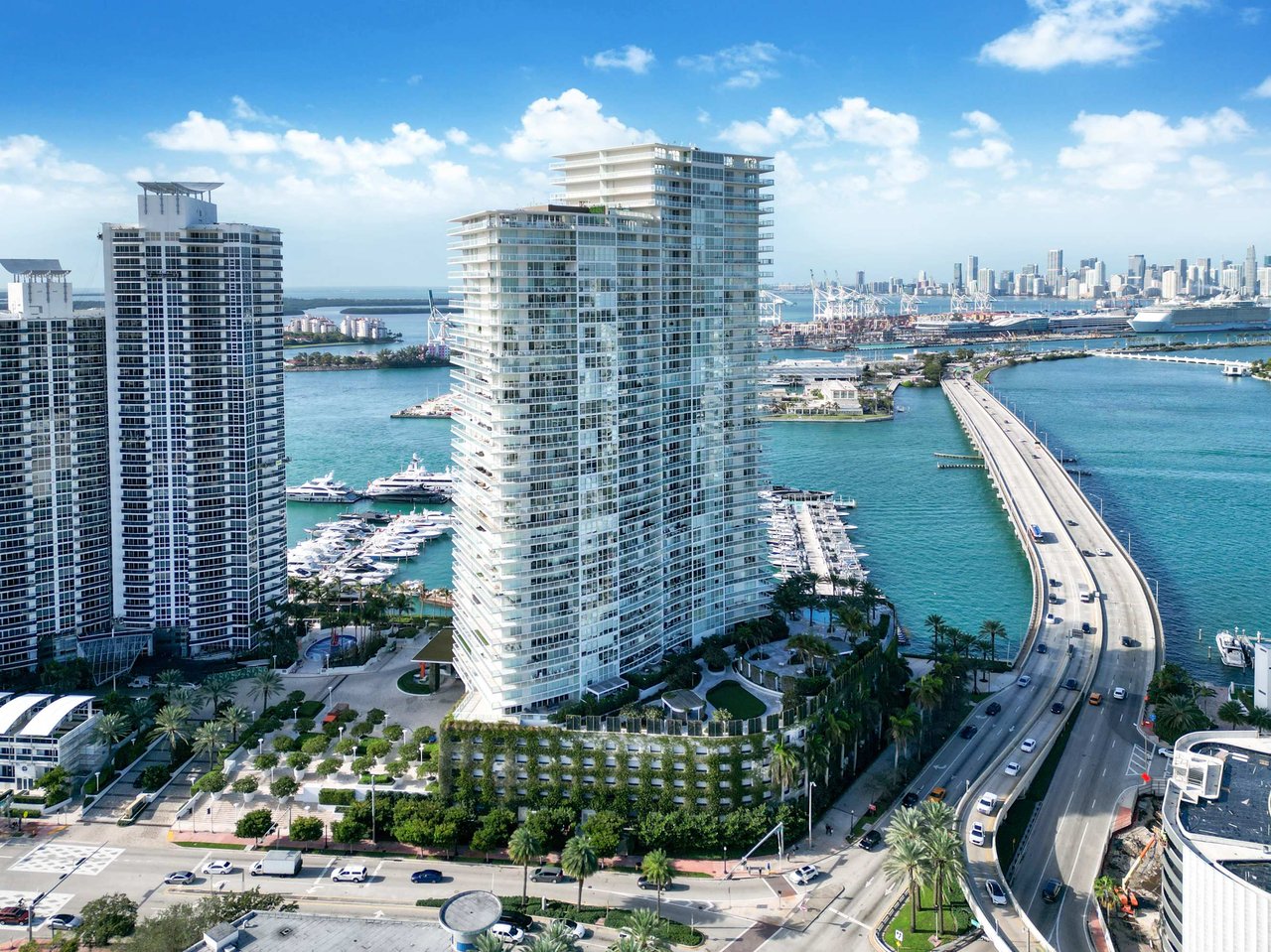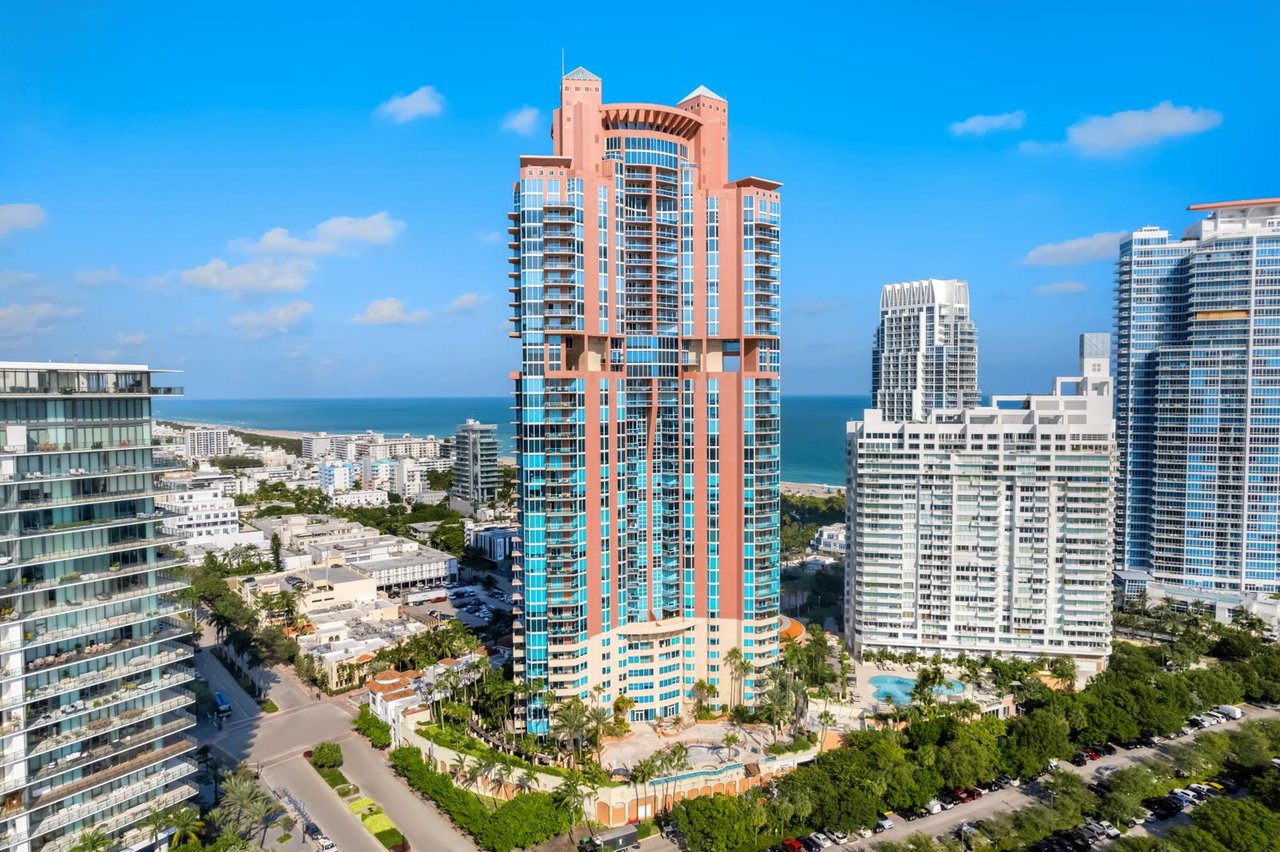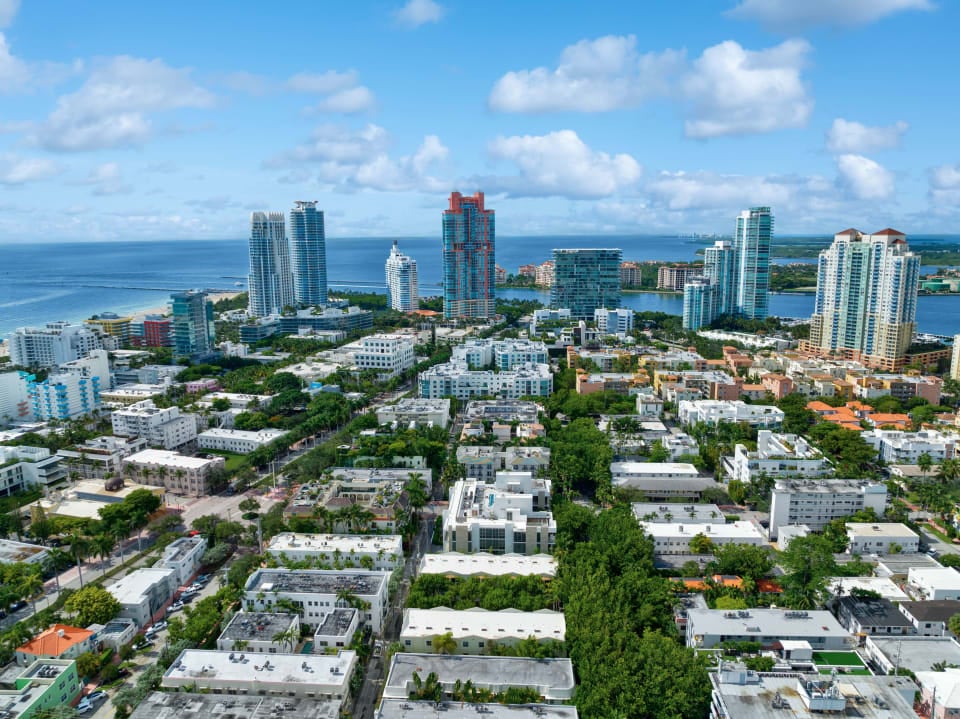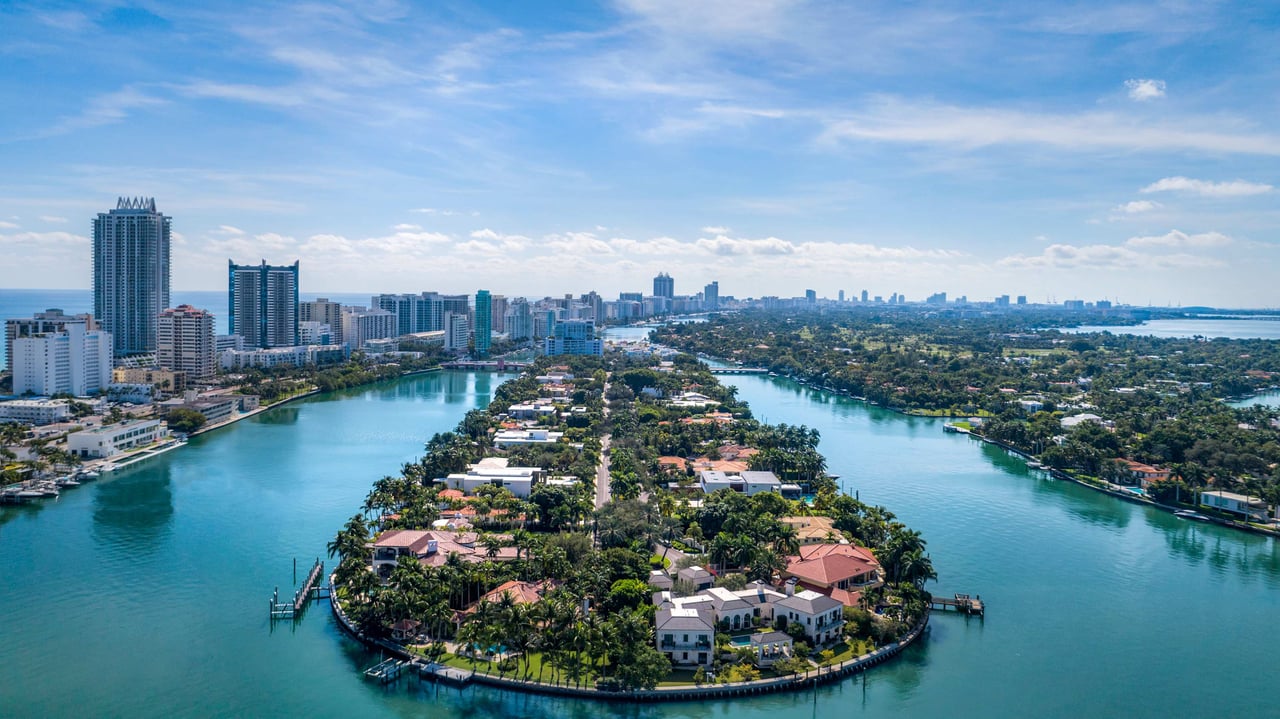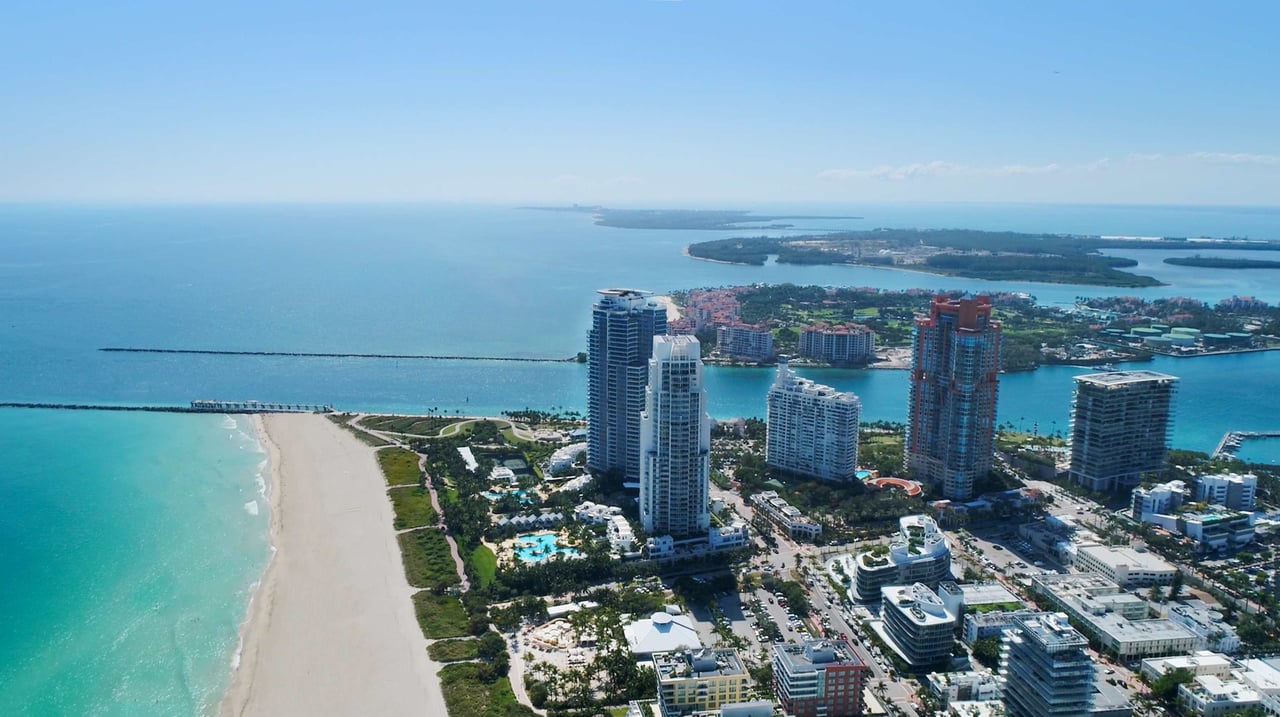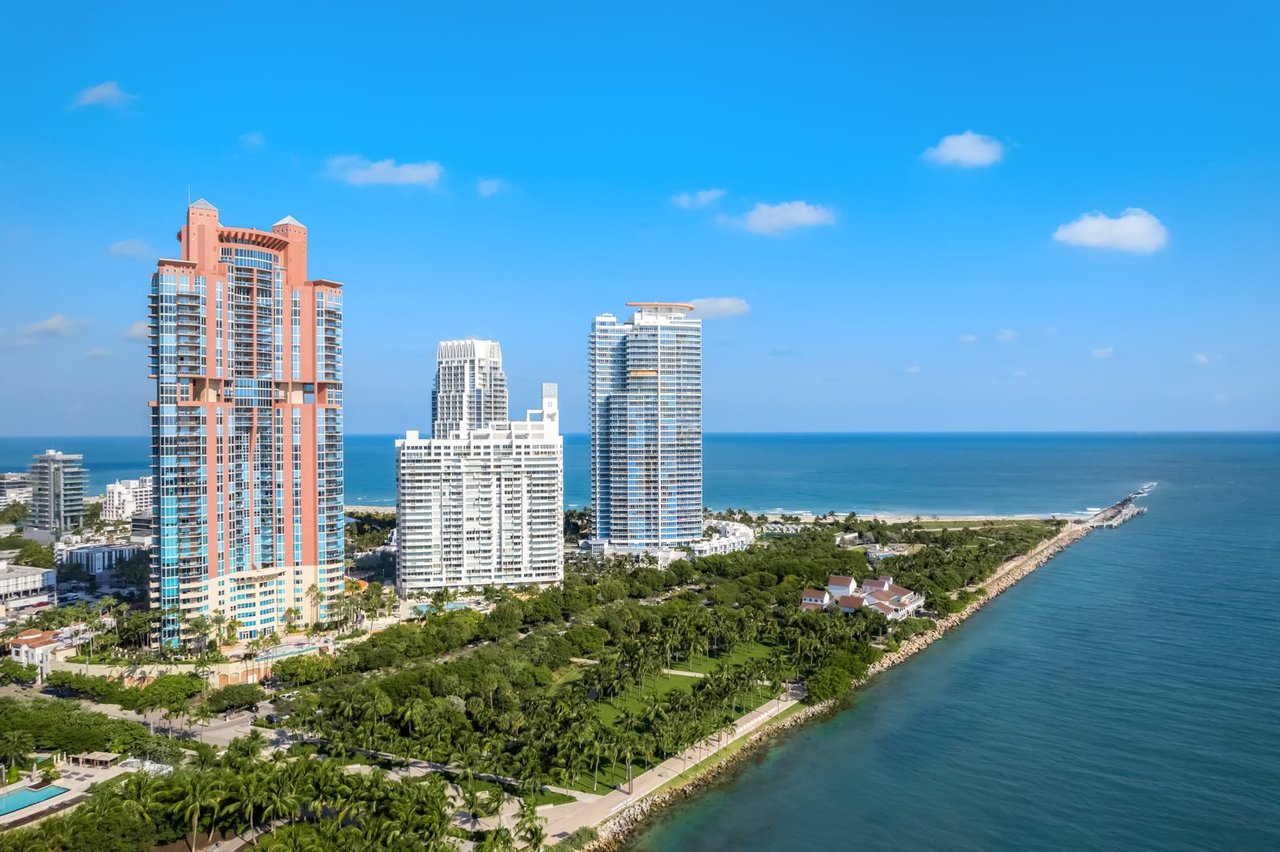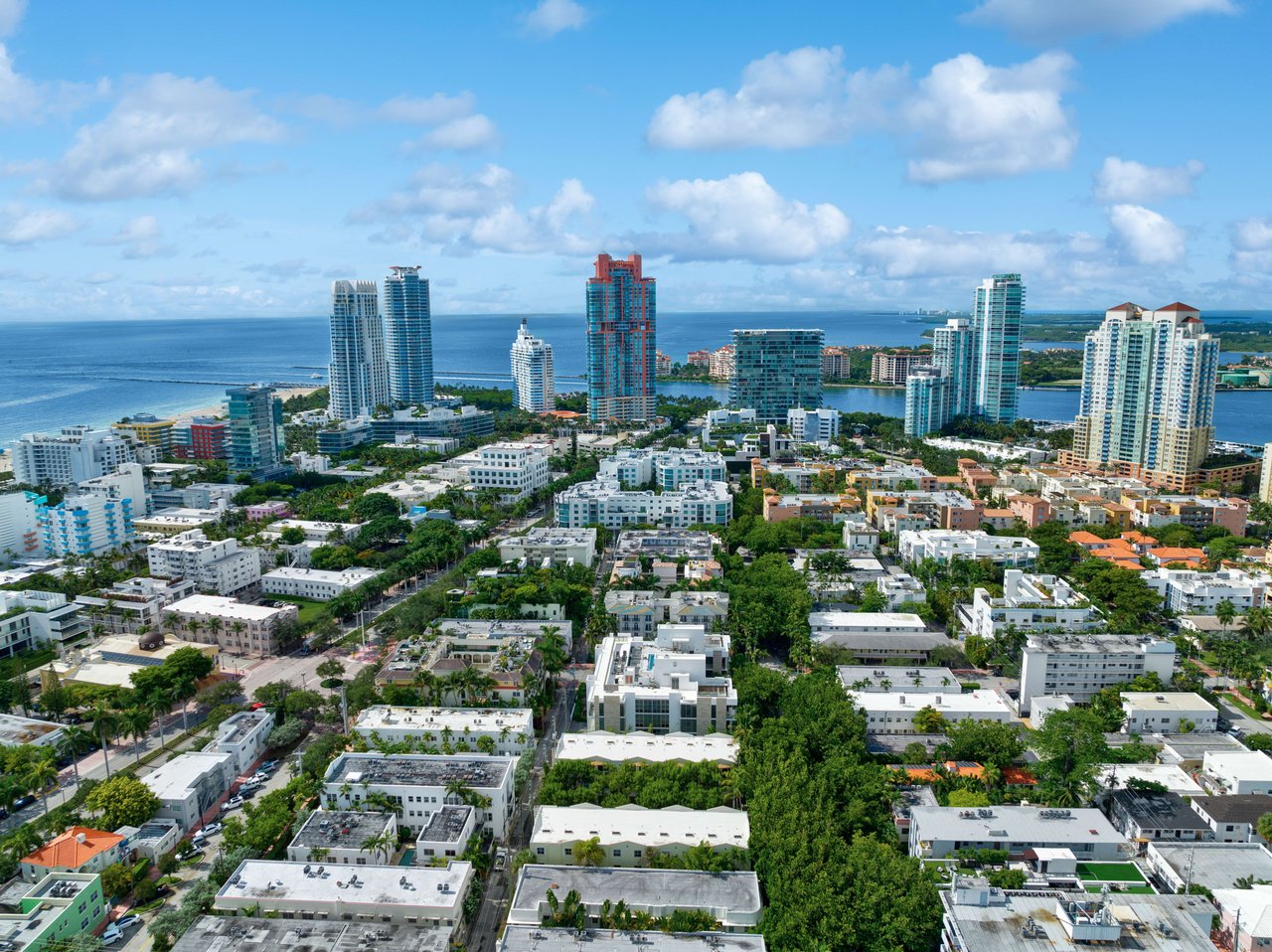
At 425 Ocean Drive, the Savoy Hotel has been closed since Hurricane Irma damaged it. It sits behind fencing, held up with shoring, as the developer's team told the city in an April letter, according to The Real Deal. It was built in 1937. Next door stands the Arlington, built in 1941. Allied Partners has filed to keep part of the Savoy, demolish the Arlington entirely, and put a 38-story tower on the site with a hotel, 90 condo units and 60 workforce rental apartments.
WLRN reported that residents are angry and the City of Miami Beach says state preemption laws leave it unable to stop the project. The Savoy sits just outside the Miami Beach Architectural District, the national historic district listed in 1979. If it were inside, it would have been covered by an exemption in the state's resiliency law.
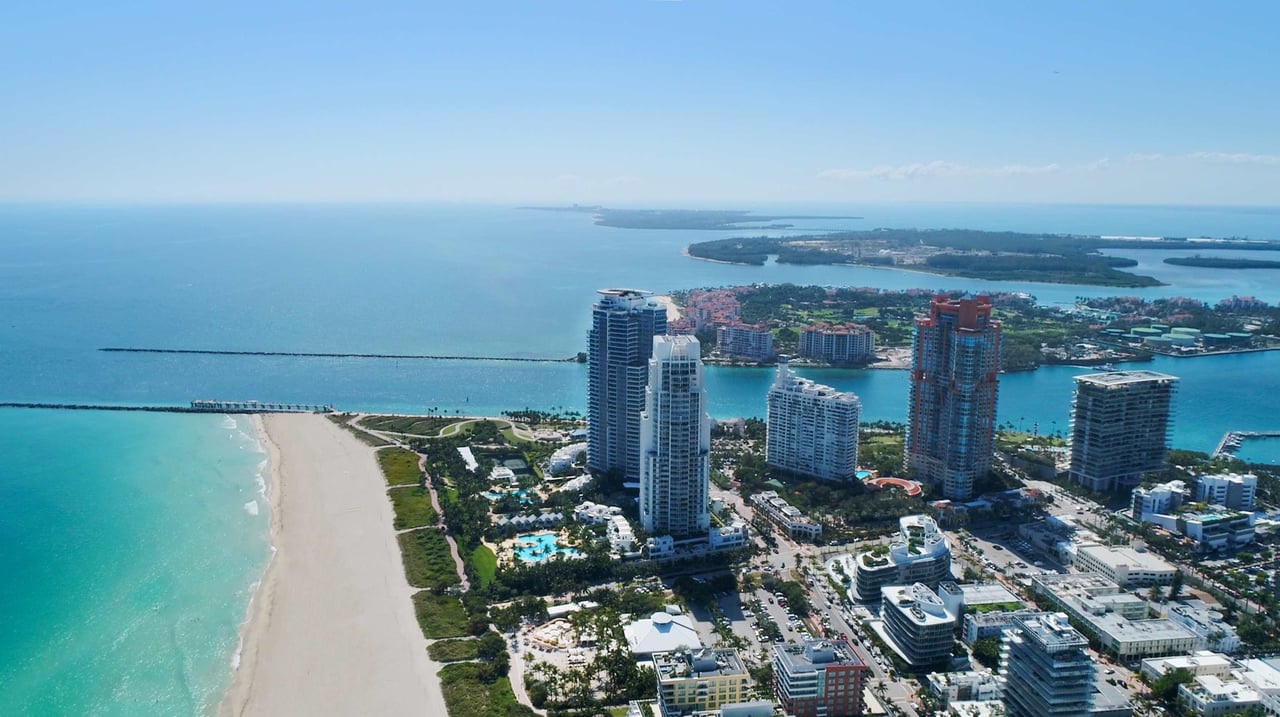
On the map, that boundary is Fifth Street.
Two districts, two levels of protection
Both sides of Fifth Street are historic districts. They are not the same kind of historic district.
Miami-Dade County's 2025 historic-resource guide lists the Ocean Beach Historic District as roughly bounded by 5th and 6th Streets on the north and the Atlantic Ocean on the east. The city designated it on February 20, 1996. Its National Register status is listed as "Not listed." Directly north, the Ocean Drive/Collins Avenue Historic District begins at 5th and 6th Streets and runs to 22nd Street. It has been part of the National Register Art Deco District since May 14, 1979.
Under local rules, the two districts look alike. The state laws treat them very differently, because both preemption statutes protect buildings based on National Register listing, and local designation does not count.
| Ocean Drive/Collins Ave district, north of Fifth | Ocean Beach district, South of Fifth | |
|---|---|---|
| Designation | Local, plus National Register since 1979 | Local only, since 1996 |
| Resiliency Act demolition exemption | Contributing buildings in National Register districts listed before 2000 are exempt | No exemption from local designation |
| Live Local height cap for historic parcels | City may cap height using a three-quarter-mile radius | Not available |
| Live Local facade-replication rules | City may require them for qualifying National Register parcels | Not available |
The 2026 text of section 553.8991 exempts two kinds of building: those individually listed on the National Register, and contributing buildings in a National Register district listed before January 1, 2000. The 2025 Live Local amendments in SB 1730 set the same National Register test for the special height limit and for architectural rules such as facade replication. In both statutes, a 1996 local designation without a Register listing gets no protection.
How a 75-foot lot becomes a 440-foot filing
The 425 Ocean Drive filing combines both laws, one for each step.
The Resiliency and Safe Structures Act, signed in 2024, covers buildings on property that lies at least partly seaward of the coastal construction control line and that do not meet federal flood-insurance construction standards, along with buildings found unsafe or ordered demolished. For those buildings, a city may restrict demolition only for public safety, and it may not add hearings or new land development rules to the demolition permit. A replacement building may go to the maximum height and size allowed for a similar parcel in the same zoning district. The city may not require that the old building be copied or that any part of it be kept. The statute's history shows one change since 2024, made in 2025.
Height comes from the Live Local Act. A qualifying project must set aside at least 40 percent of its units for households earning up to 120 percent of area median income, and those units stay income-restricted for at least 30 years, as The Real Deal summarizes the law. In return, a city may not hold the project below the highest height currently allowed, or allowed on July 1, 2023, for any commercial or residential building within one mile, or three stories, whichever is higher. Approval is administrative, with no vote by the governing body, and demolition tied to the project is also approved administratively. HB 1389, which became Chapter 2026-179 and took effect July 1, 2026, also bars cities from cutting authorized height through setbacks or stepbacks.
A one-mile radius drawn from South of Fifth covers a lot of tall towers. Save Miami Beach, a local advocacy group, published October 2026 slides that, in the group's reading, put the Savoy site's zoning at 75 feet and the filed project at 440 feet. Floridian Development described the same plan as about 453 feet to the roof and roughly 480 feet overall, with 76 hotel rooms. The sources differ on the exact height. Both describe a building several times taller than what the lot's zoning allows.
The two filings south of Fifth
As of October 13, 2026, the city's Live Local Act Applications Under Review page listed nine projects. Two of them are in South of Fifth.
- PB26-0840, 425–455 Ocean Drive. The city application identifies the site as historic-district property and asks for a Live Local mixed-use affordable housing project. It covers interior and exterior demolition and 466,970 square feet of new construction, and the city issues a final administrative order once it decides. Floridian Development reported the submission in June 2026.
- PB24-0689, 42 Collins Avenue. The application form names 42 Collins Avenue LLC as owner and applicant and was signed August 7, 2024. Floridian Development reported a 28-story, 374-foot tower with 180 units, 72 of them workforce units, all of those studios. The site is occupied by a four-story nursing and rehabilitation facility that The Real Deal identified in 2018 as the Sands at South Beach. According to slides published by Save Miami Beach, an advocacy group, the city read the allowable height as 150 feet, the applicant came back at 375, and a review in August 2024 failed. The file is still on the city's under-review list.
The two filings rely on different laws. The 42 Collins filing is a Live Local height claim on a site that, as described, involves no historic building. The Savoy filing pairs Live Local height with the Resiliency Act's demolition rules on a historic site. These are the two ways a South of Fifth parcel can be redeveloped at tower scale, and as of October 13 each had a live case.
What the city can still do
The state laws leave the city some room. Under the 2026 statute, a replacement-building application still goes through the city's normal land development process, including any hearing the local historic board would otherwise hold. The city cannot add hearings beyond those required for a comparable vacant parcel.
The city has also responded politically. At its mid-October meeting, the City Commission approved at least eight measures aimed at the Live Local Act, The Real Deal reported, citing the South Florida Business Journal. The measures direct the city attorney to work with the City of Miami on arguments against the law, support a statewide push for repeal or amendment, ask lawmakers to let cities offer inclusionary-zoning incentives that keep projects at neighborhood scale, and require the city manager to alert commissioners when new applications come in. Neither city had filed a lawsuit as of that report.
The Miami Design Preservation League raised this possibility in 2024, while the resiliency bill was still pending. It noted that the local Ocean Beach district covers much of South of Fifth and named the Savoy as a building at risk. "It's the fulfillment of the prophecy pretty much," a Miami Beach commissioner told WLRN in September.
What this means for a South of Fifth buyer
In most of South Beach, the Art Deco buildings around a condo work almost like part of the property, because National Register status has protected that streetscape since 1979. South of Fifth has different rules. A low-rise neighbor south of Fifth has only local designation behind it, and state law overrides local designation under the conditions both statutes lay out.
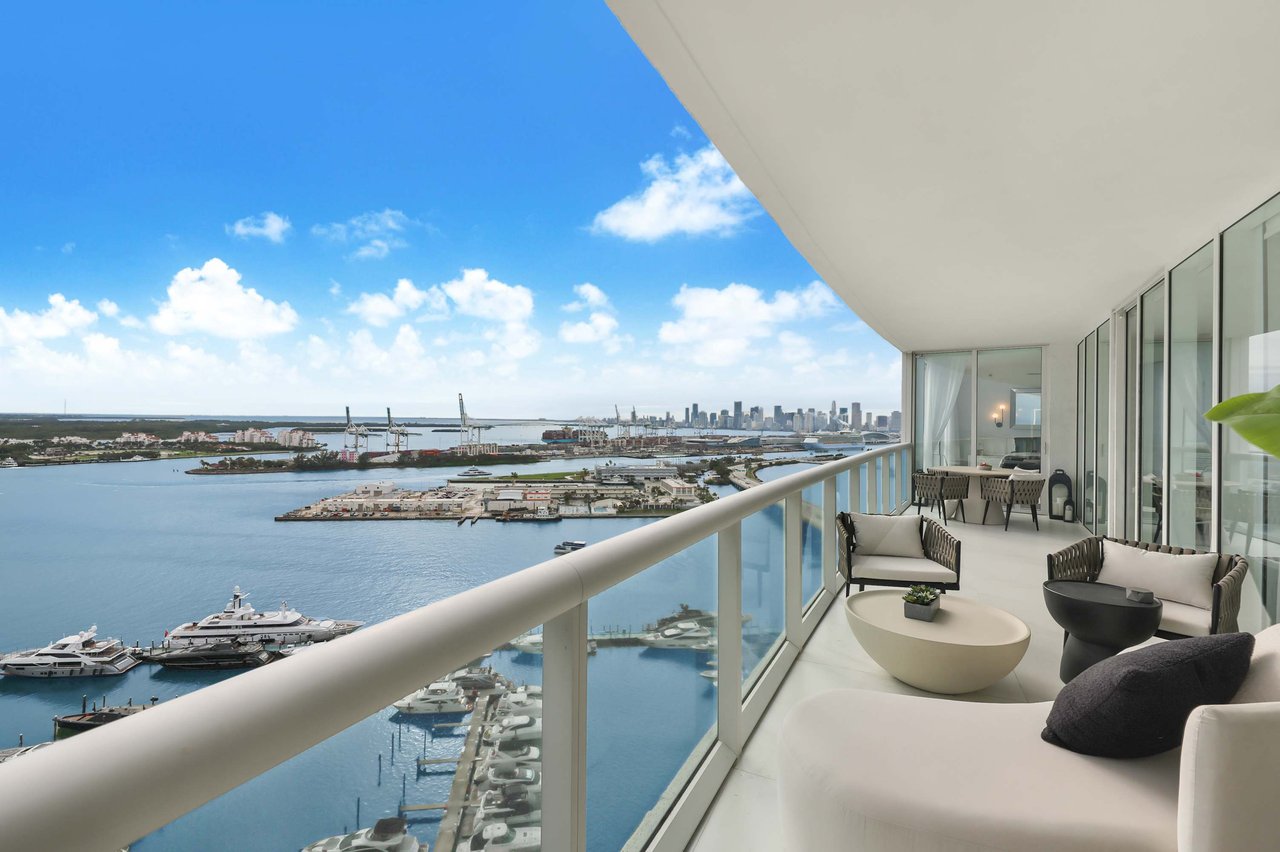
That affects how a buyer should read a South of Fifth view. If a unit looks over low-rise Ocean Drive or Collins Avenue rooftops, what governs those rooftops is the zoning envelope plus whatever the state laws allow on top of it. The Savoy filing roughly multiplies its lot's zoned height several times over, using a one-mile height rule in a part of Miami Beach where the one-mile radius takes in some of the city's tallest buildings.
Two public city pages track these projects. The first is the city's Live Local under-review page, which is where both South of Fifth filings appeared. The second is the approved applications page, which shows what has already been cleared elsewhere in the city. Look up the PB numbers for any parcel near a building you are considering, and follow the Commission's next steps on the legal challenge.
Quick answers
Is all of South of Fifth outside the National Register district? The National Register district starts at 5th and 6th Streets and runs north. The Ocean Beach Historic District to the south is listed by the county as local-only. Status for an individual building can differ, because the Resiliency Act also exempts buildings individually listed on the Register.
Has the Savoy tower been approved? Not as of October 13, 2026. PB26-0840 was still on the city's under-review list on that date.
Did the 2026 legislative session narrow these laws? No. HB 1389 widened Live Local eligibility and limited cities' use of setbacks and stepbacks. It kept the height provision tied to the National Register.
This post is general information about state and local rules, not legal advice. Anyone weighing a specific property should confirm how these laws apply with a qualified attorney.
If you are weighing a South of Fifth residence and want to know what could legally rise across the street, Adrian Burke can walk you through the active filings near any building on your list before you make an offer. Book a Private Consultation.