If you are comparing condos in South of Fifth, the monthly fee can be one of the most misleading numbers on the page. A lower fee may look attractive at first, but it does not always mean the building is in stronger financial shape or that your long-term costs will be lower. If you want to buy with confidence in this part of Miami Beach, you need to understand what condo fees cover, how reserves work, and which building rules can affect how you use your unit. Let’s dive in.
What South of Fifth condo fees really include
In South of Fifth, monthly condo dues typically combine two big buckets: day-to-day operating expenses and reserve funding. Under Florida law, condominium budgets must be detailed by account and expense classification, and reserve accounts are required for capital expenditures and deferred maintenance.
Florida law specifically names reserve items such as roof replacement, building painting, and pavement resurfacing. It also requires reserves for other deferred-maintenance or replacement items above the legal threshold. For buildings subject to a Structural Integrity Reserve Study, or SIRS, reserve amounts for covered items must follow the most recent study.
That matters because a fee is not just a number. It is a snapshot of how the association is planning for both current operations and future repairs.
Why lower fees are not always better
It is easy to assume that a lower monthly fee means a better deal. In reality, a lower fee can sometimes signal that reserves are thin, future repairs are not fully funded, or a special assessment may be more likely later.
Florida has tightened the rules around reserve funding. For SIRS-related items, reserves generally may not be waived or reduced for budgets adopted on or after December 31, 2024. Associations can fund reserves through assessments, loans, or lines of credit only with the required owner approval.
For you as a buyer, that means fee comparisons should go beyond the headline amount. You want to know how much of the budget is supporting current operations and how much is being set aside for major building needs.
What a SIRS means for buyers
A Structural Integrity Reserve Study is a planning tool for future building repairs and replacements. It reviews the building components the association must maintain, the condition of existing reserves, and the funding needed going forward.
The study covers eight critical categories. These include the roof, structural systems, fireproofing and fire protection, plumbing, electrical systems, waterproofing and exterior painting, windows and exterior doors, and other items above the threshold that affect structural integrity.
For many existing unit-owner-controlled associations that were in existence on or before July 1, 2022, the deadline to complete a SIRS was December 31, 2025. Some buildings may align the study with a milestone inspection through December 31, 2026.
In a coastal area like South of Fifth, this is especially important. A building with a current SIRS and funding that matches it may present a clearer picture of future costs than a building with a lower fee but limited reserve planning.
Why South of Fifth buyers must watch recertification
South of Fifth is a coastal Miami Beach micro-market, so building age and recertification status can play a major role in ownership costs. Miami-Dade County states that coastal buildings are subject to recertification at 25 years and every 10 years after that.
For older towers, open recertification issues, pending repairs, and timeline risk can all affect the fee conversation. A building that is facing required work may need higher dues, a special assessment, or both.
This is why due diligence in South of Fifth should include more than a quick review of the monthly number. You should also look at whether there is an open recertification case and whether repairs or compliance work may affect future costs.
Rules can matter as much as fees
Condo rules shape how you can actually live in or use the property. In Florida resale transactions, sellers are required to provide core condo documents, including the declaration, articles, bylaws, rules, annual financial statement, annual budget, milestone summary if applicable, and the most recent SIRS or a statement that none exists.
For contracts entered into after December 31, 2024, Florida law includes a 7-day voidability period tied to the core disclosure package. There is also a separate 15-day voidability period when a buyer receives the milestone summary, turnover report, or SIRS documents, if applicable.
In plain terms, these documents are not just paperwork. They are your map to understanding both cost exposure and building restrictions.
Which condo rules deserve close review
In South of Fifth, every building can have its own operating limits. Florida law recognizes rules amendments affecting unit use, so the declaration, bylaws, current rules, and board minutes deserve careful attention.
Some of the most important review points include:
- Leasing limits
- Pet rules
- Alteration policies
- Amenity access rules
- Move-in and move-out procedures
- Smoking restrictions
- Noise rules
These details can strongly affect how well a condo fits your goals. A unit that looks perfect on paper may not work for your lifestyle or ownership plans if the building rules are more restrictive than expected.
Short-term rental rules in Miami Beach
Short-term rentals are one of the biggest areas where buyers need building-specific clarity. The City of Miami Beach states that vacation rentals under six months and one day are prohibited in all single-family homes and in many multifamily buildings in certain zoning districts.
Where short-term rentals are allowed, the property must have the proper city authorization, including a Business Tax Receipt and a Resort Tax account. Advertisements must also show the city-issued Business Tax Receipt and resort-tax numbers.
The city maintains a list of apartment buildings authorized for short-term rental. That is a strong reminder that rental permission is not neighborhood-wide. It is specific to the building and the zoning context.
How the budget process can signal risk
The annual budget process can reveal a lot about how a building is being managed. Florida law requires the board to send a proposed annual budget at least 14 days before the budget meeting and to adopt the annual budget at least 14 days before the start of the fiscal year.
If the proposed budget would raise assessments by more than 115 percent over the prior year, the board must also propose a substitute budget without discretionary items. Florida law also requires written notice for meetings that consider a nonemergency special assessment or a rules amendment affecting unit use.
Special-assessment notices must state the purpose of the assessment, and the proceeds are limited to that stated purpose. For buyers, this means pending notices and recent meeting records can offer valuable clues about near-term cost changes.
The records that matter most
Florida condominium official-records rules are broad. Associations must keep key records such as the declaration, bylaws, current rules, minutes, accounting records, budgets, audits or reviews, SIRS reports, inspection reports, building permits, contracts, and other records related to operations.
Most official records must be maintained for at least seven years. The association must make most records available within 10 working days after a proper written request, although some categories remain exempt.
When you are comparing South of Fifth buildings, some records are especially useful because they help explain whether today’s fee is realistic for tomorrow’s needs.
Most useful documents to review
- Current annual budget
- Prior budgets
- Reserve schedule or latest SIRS
- Latest milestone inspection summary
- Insurance documents
- Recent board minutes
- Notices about special assessments or repairs
Taken together, these records can help you see whether low fees are being offset by deferred maintenance, limited reserves, or future repair obligations.
Insurance and real monthly cost
Association dues are only one part of the carrying cost in South of Fifth. Florida condo insurance rules distinguish between the association’s responsibility and the unit owner’s responsibility.
The association must insure the condominium structure and common components. Interior items and personal property are the owner’s responsibility. Florida resale disclosure also warns that standard homeowners insurance does not include flood coverage.
For a coastal condo purchase, your real monthly cost may include:
- Monthly condo dues
- Special assessments, if any
- Your unit-owner insurance policy
- Applicable deductibles
- Flood insurance considerations
This broader view is important in South of Fifth, where coastal exposure and older building infrastructure can both influence ownership costs.
Smart questions to ask before you buy
If you are comparing luxury condos in South of Fifth, a few focused questions can help you cut through the noise quickly.
Questions worth asking
- Does the current budget show reserve funding that matches the latest SIRS?
- Has the building completed its milestone inspection, if applicable?
- Are any special assessments pending or being discussed?
- What do the declaration and rules say about leasing and other use restrictions?
- Is there any open recertification case?
- Which insurance deductibles and owner-policy obligations would apply after a loss?
These questions can help you compare two similar-looking properties in a much smarter way. In many cases, the better long-term choice is not the condo with the lower fee, but the building with clearer planning, stronger records, and rules that align with how you intend to use the property.
What this means in South of Fifth
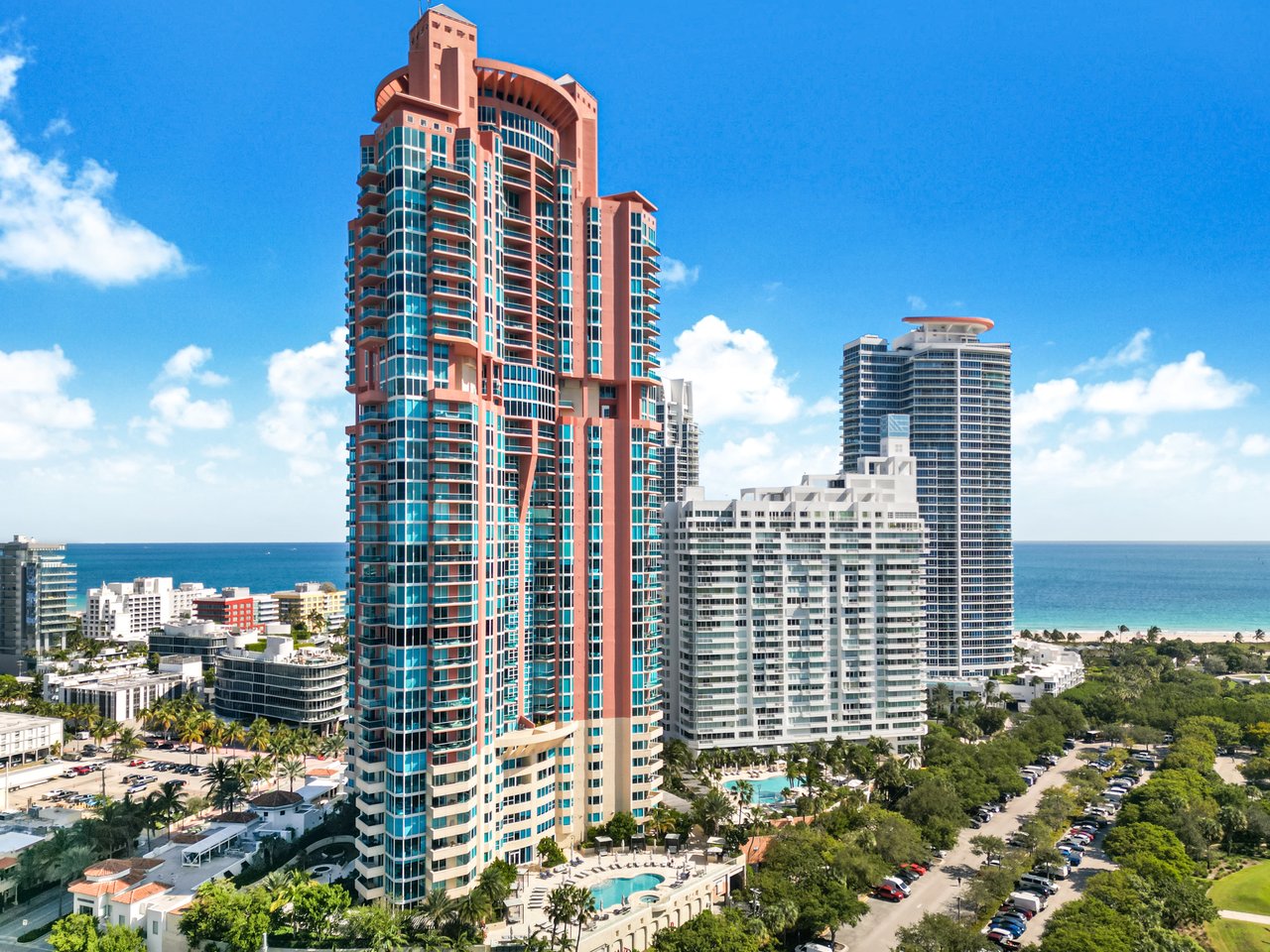
South of Fifth remains one of Miami Beach’s most sought-after condo markets, but buyers here should look past polished amenities and headline numbers. In a coastal luxury building, the quality of reserve planning, inspection status, insurance structure, and use restrictions can matter just as much as the view.
When you understand how fees are built and how rules shape ownership, you are in a much stronger position to evaluate true value. That is especially important in a micro-market where buildings can differ meaningfully from one address to the next.
If you want help comparing South of Fifth condos with a sharper eye on fees, building rules, and long-term ownership costs, book a private consultation with Adrian Burke.
FAQs
What do South of Fifth condo fees usually cover?
- South of Fifth condo fees usually cover a mix of operating expenses and reserve funding for future capital expenditures and deferred maintenance.
Why can a lower condo fee in South of Fifth be misleading?
- A lower fee can mean reserves are underfunded or that future repairs may lead to higher assessments later.
What is a SIRS in a Florida condo building?
- A Structural Integrity Reserve Study evaluates key building components, current reserve levels, and the funding needed for future repairs and replacements.
What condo documents should a South of Fifth buyer review?
- The most important documents include the current budget, prior budgets, reserve schedule or SIRS, milestone inspection summary, insurance documents, board minutes, and any notices of special assessments or repairs.
Are short-term rentals allowed in all South of Fifth condos?
- No. In Miami Beach, short-term rental permission depends on the building and zoning, and where allowed, the property must have proper city authorization.
How does Miami-Dade recertification affect South of Fifth condos?
- For coastal buildings, recertification at 25 years and every 10 years after that can affect repair timelines, reserve needs, and future ownership costs.
Do condo fees in South of Fifth include flood insurance for your unit?
- Not necessarily. Association coverage and unit-owner coverage are separate, and Florida resale disclosures state that standard homeowners insurance does not include flood coverage.