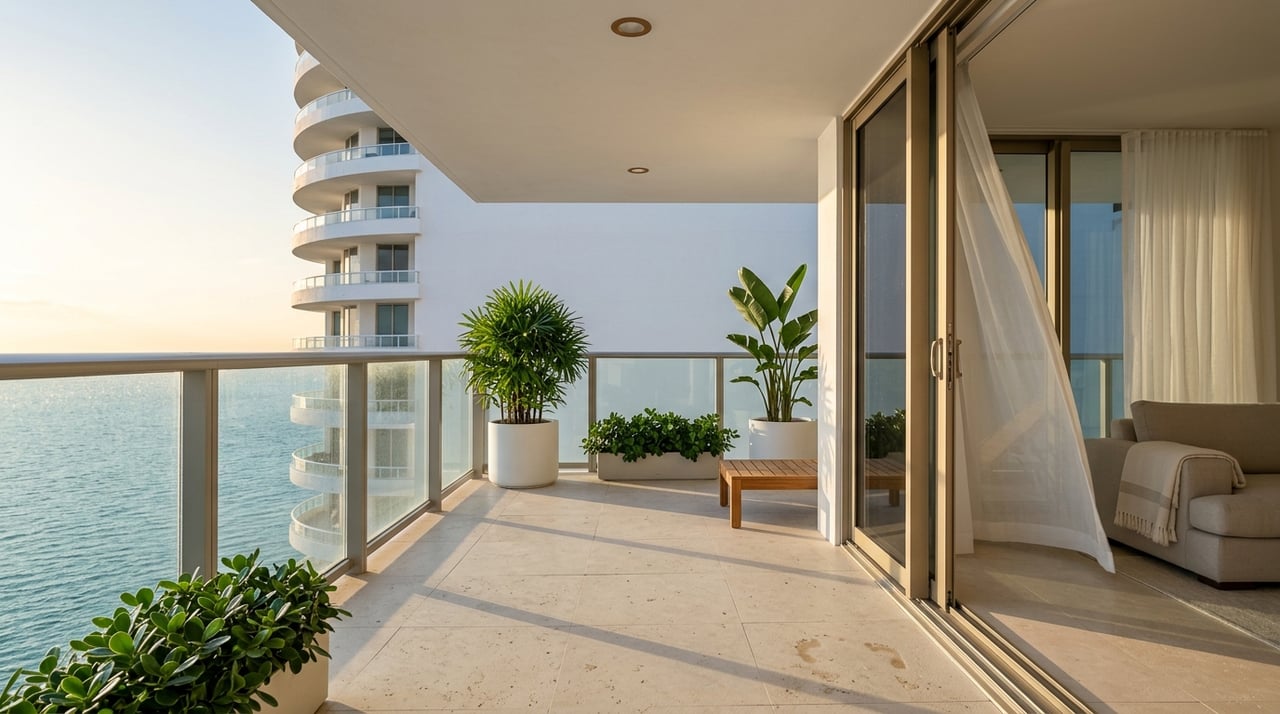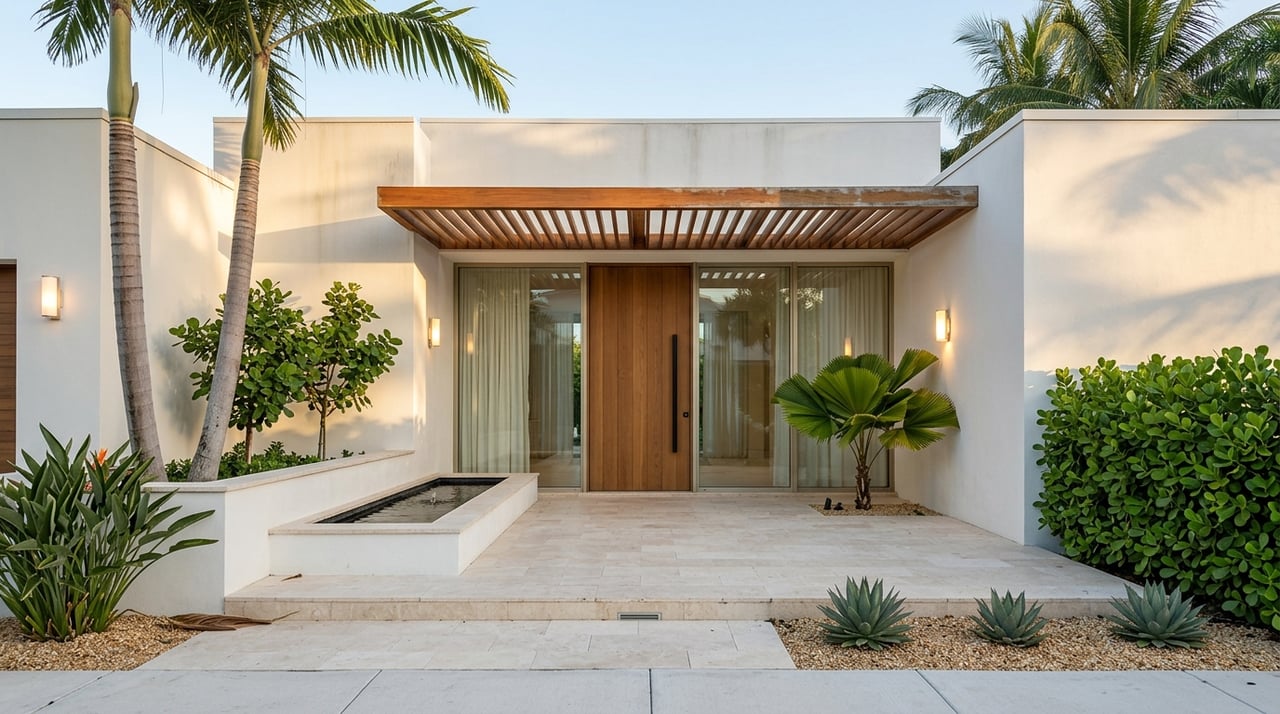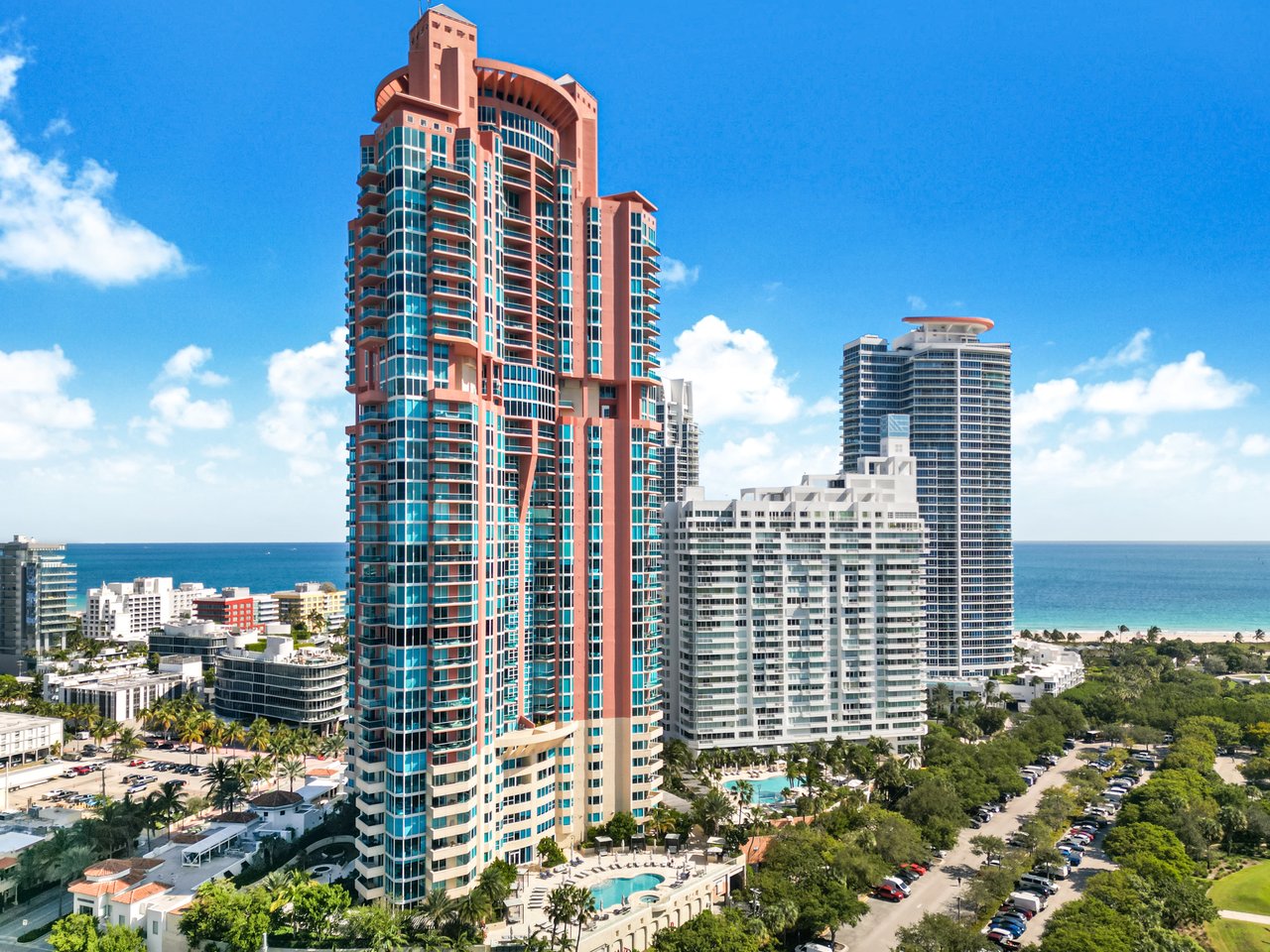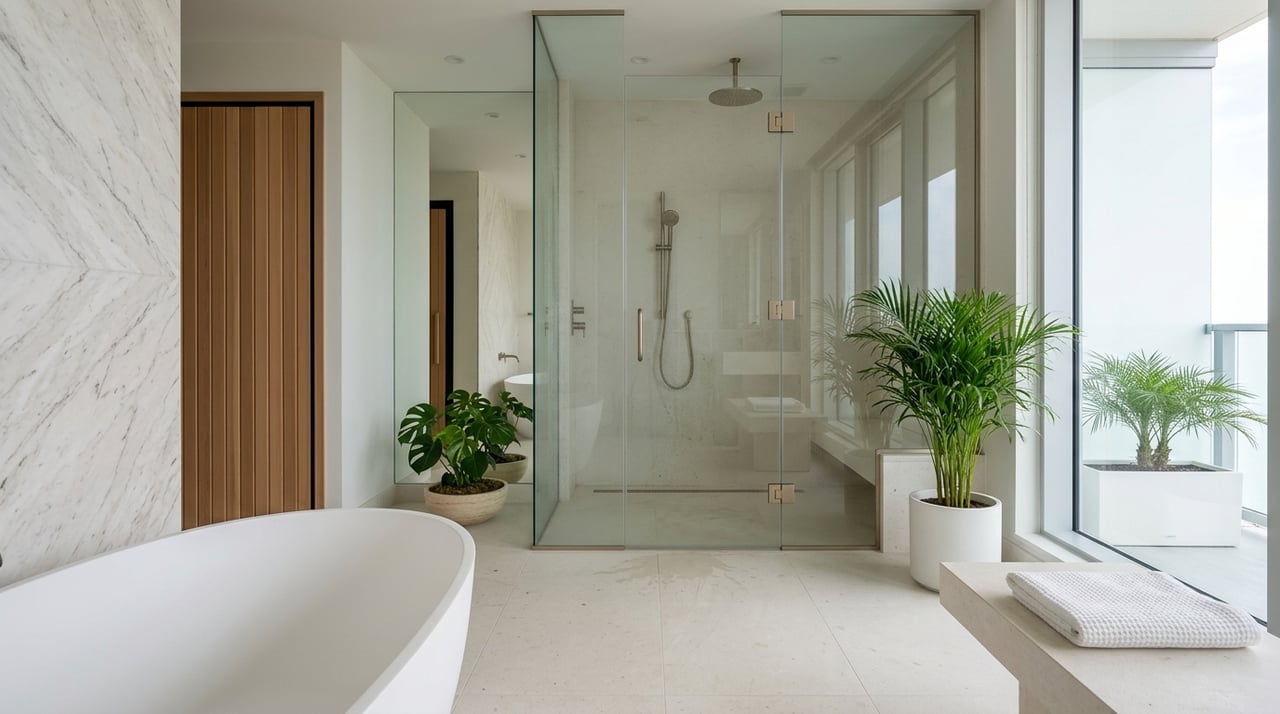
If Palm Island is on your shortlist, you are eyeing one of Miami Beach’s most exclusive waterfront enclaves. The stakes are high, and so is the upside if you choose wisely. In this guide, you will learn the make-or-break details that affect value, comfort and resale on the island, from seawalls and docks to flood zones and short-term rental rules. Let’s dive in.
Palm Island at a glance
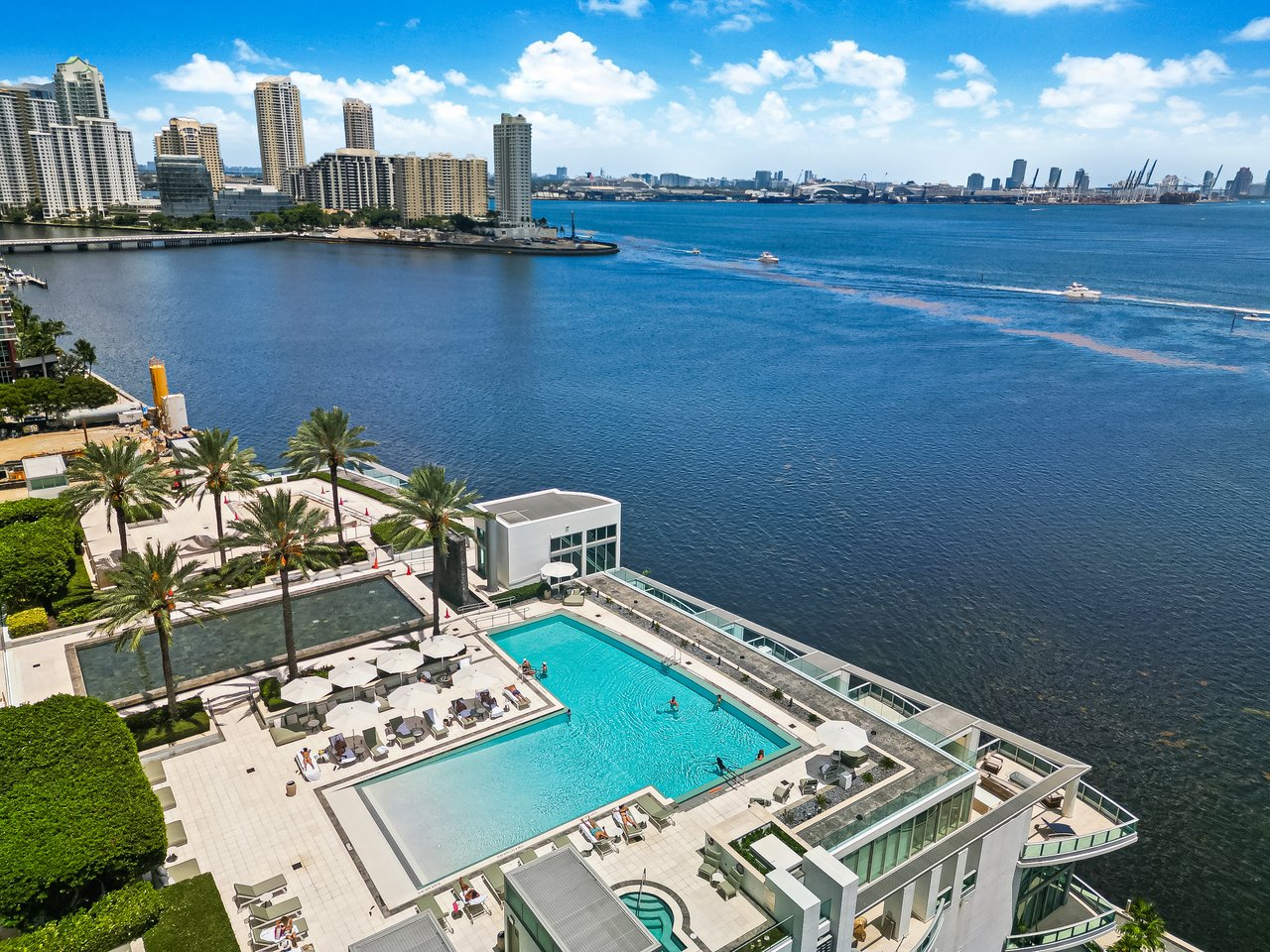
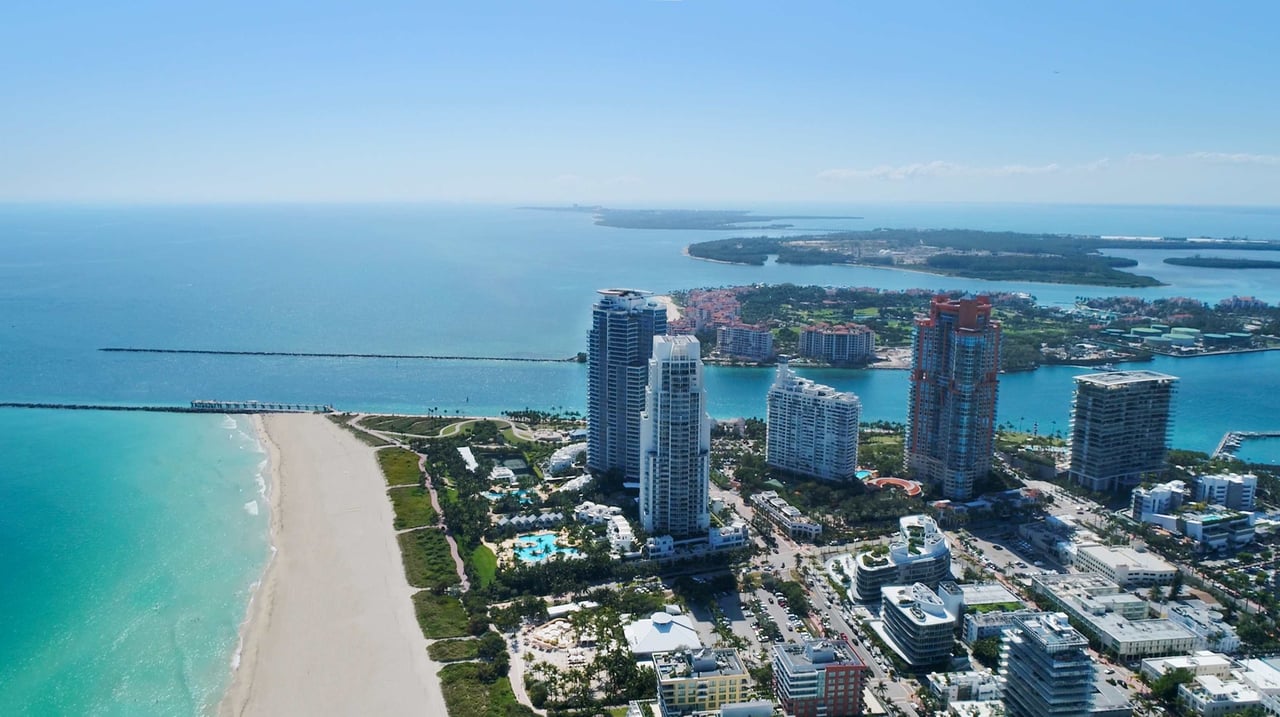
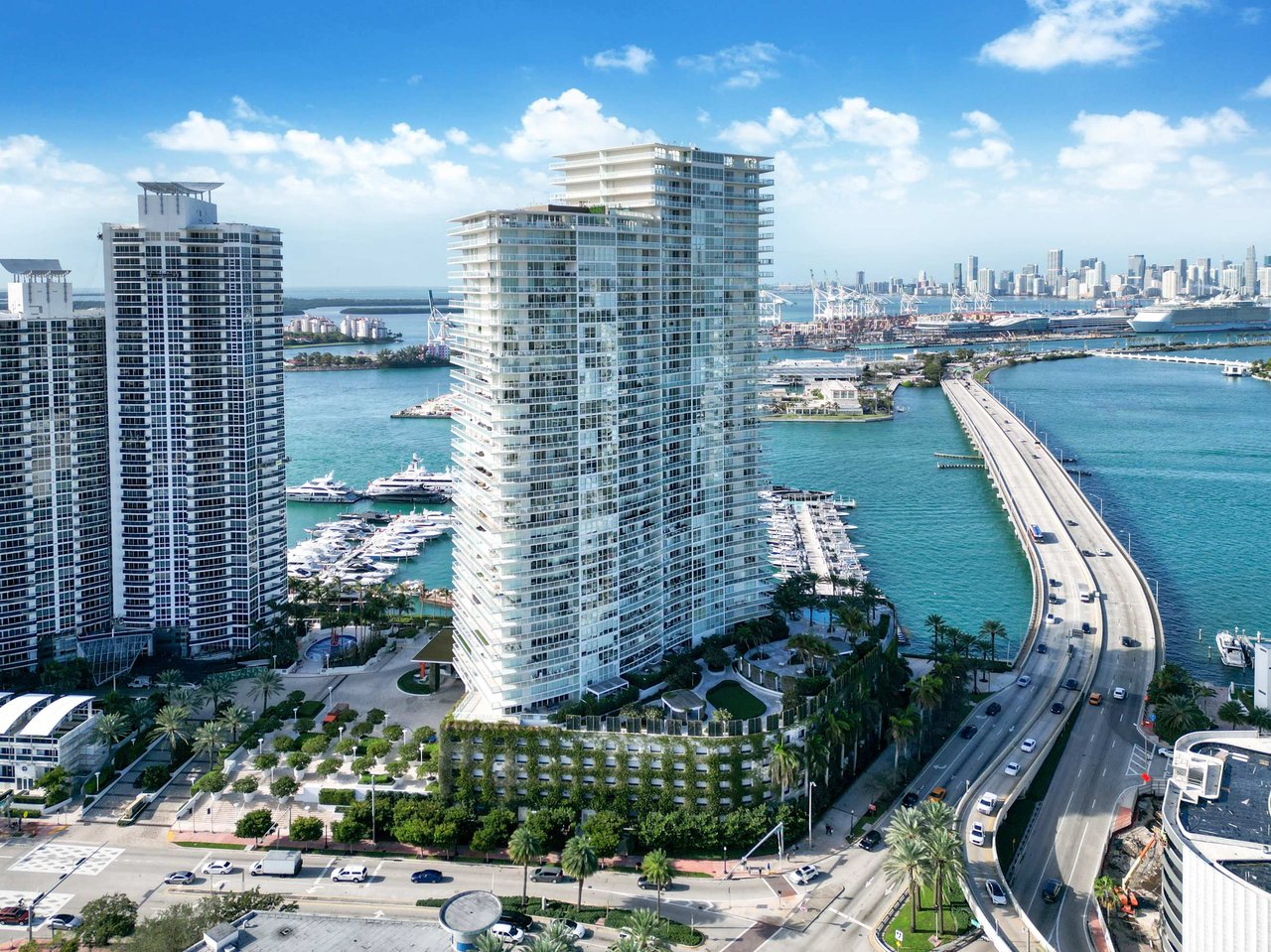
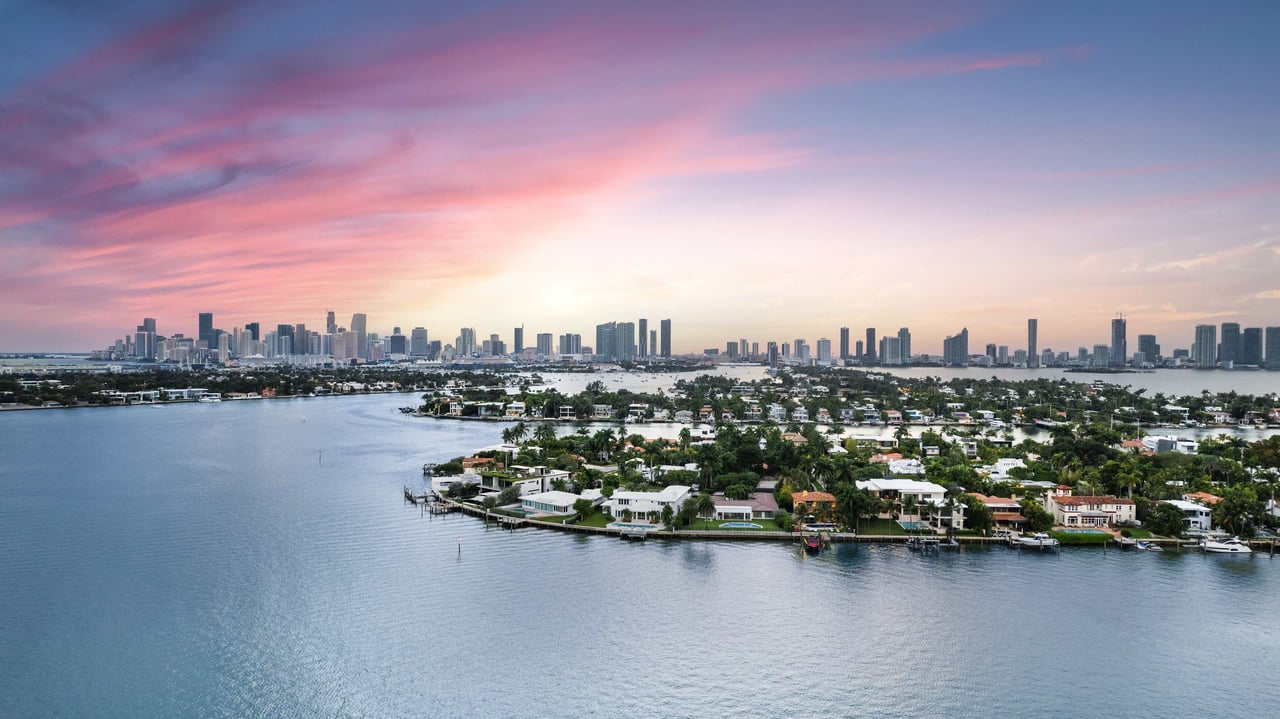
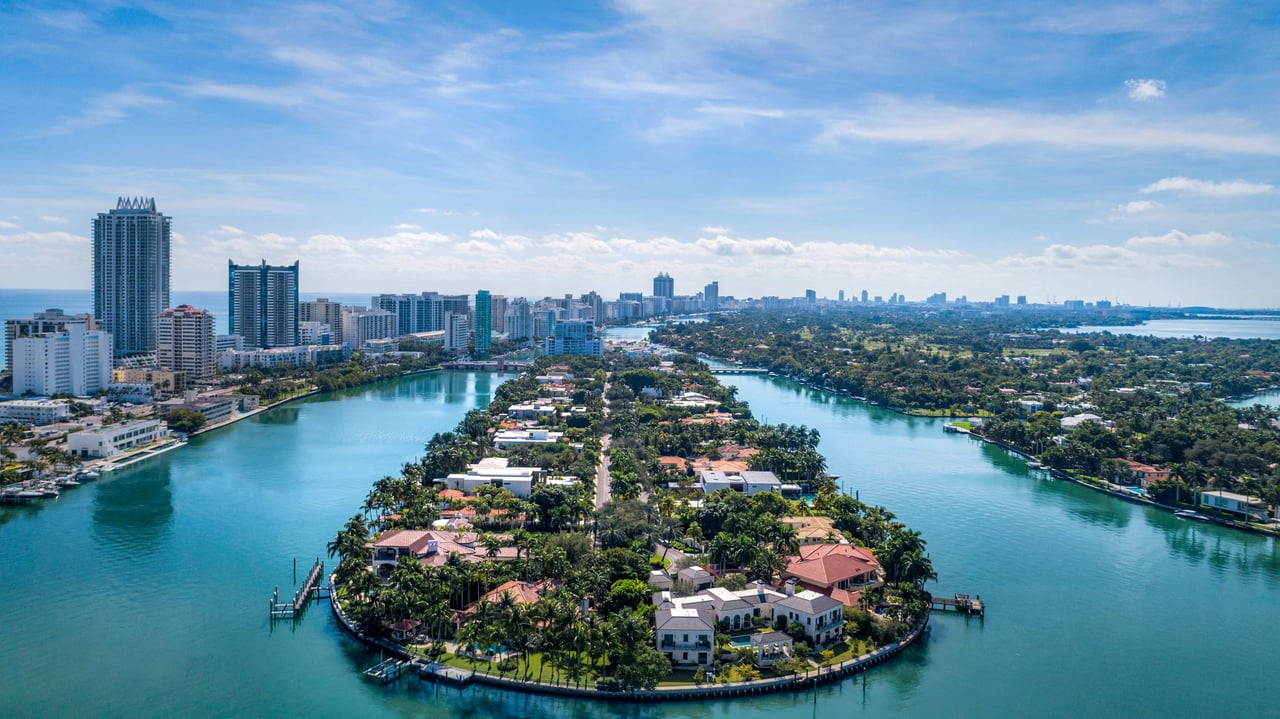
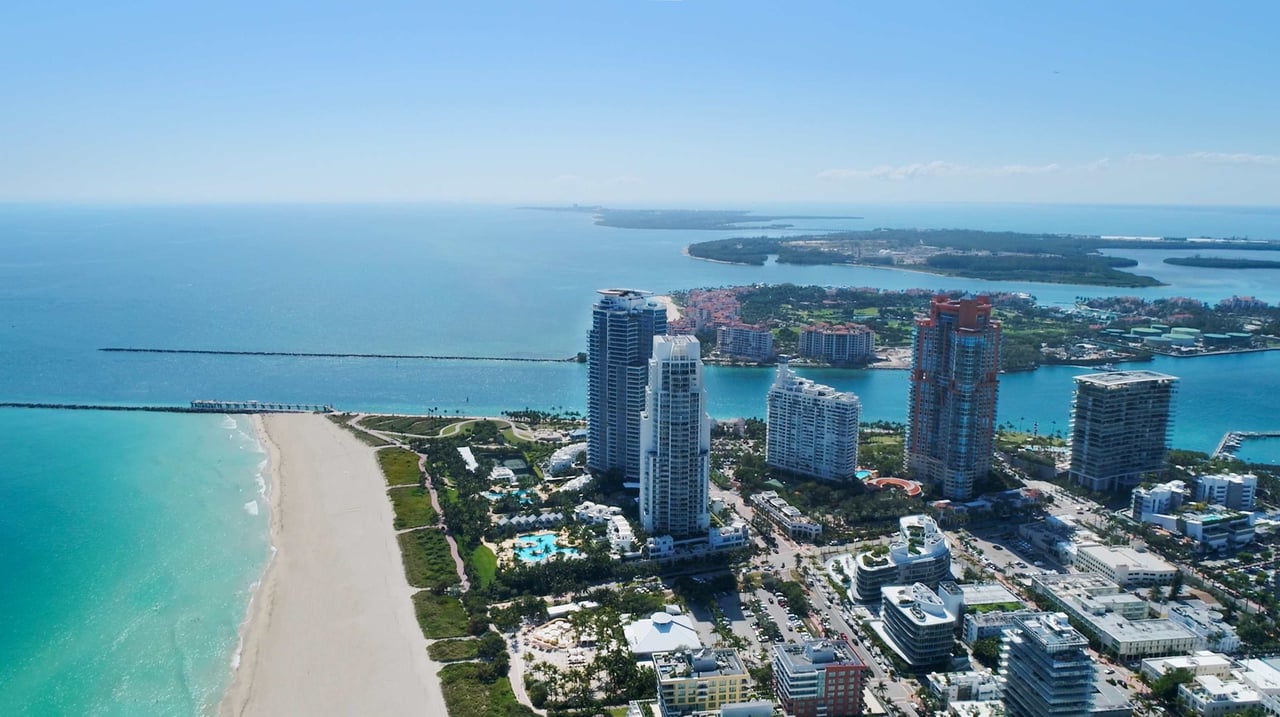
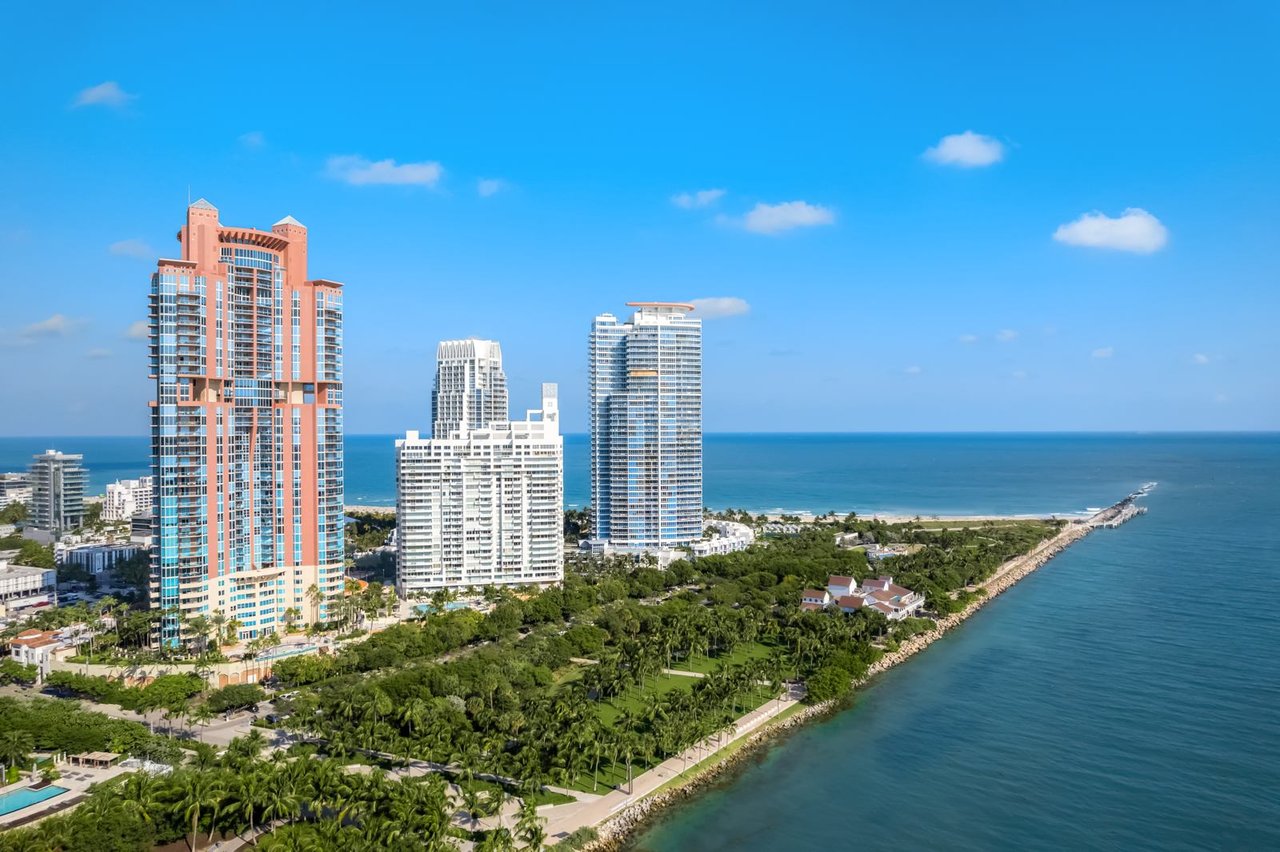
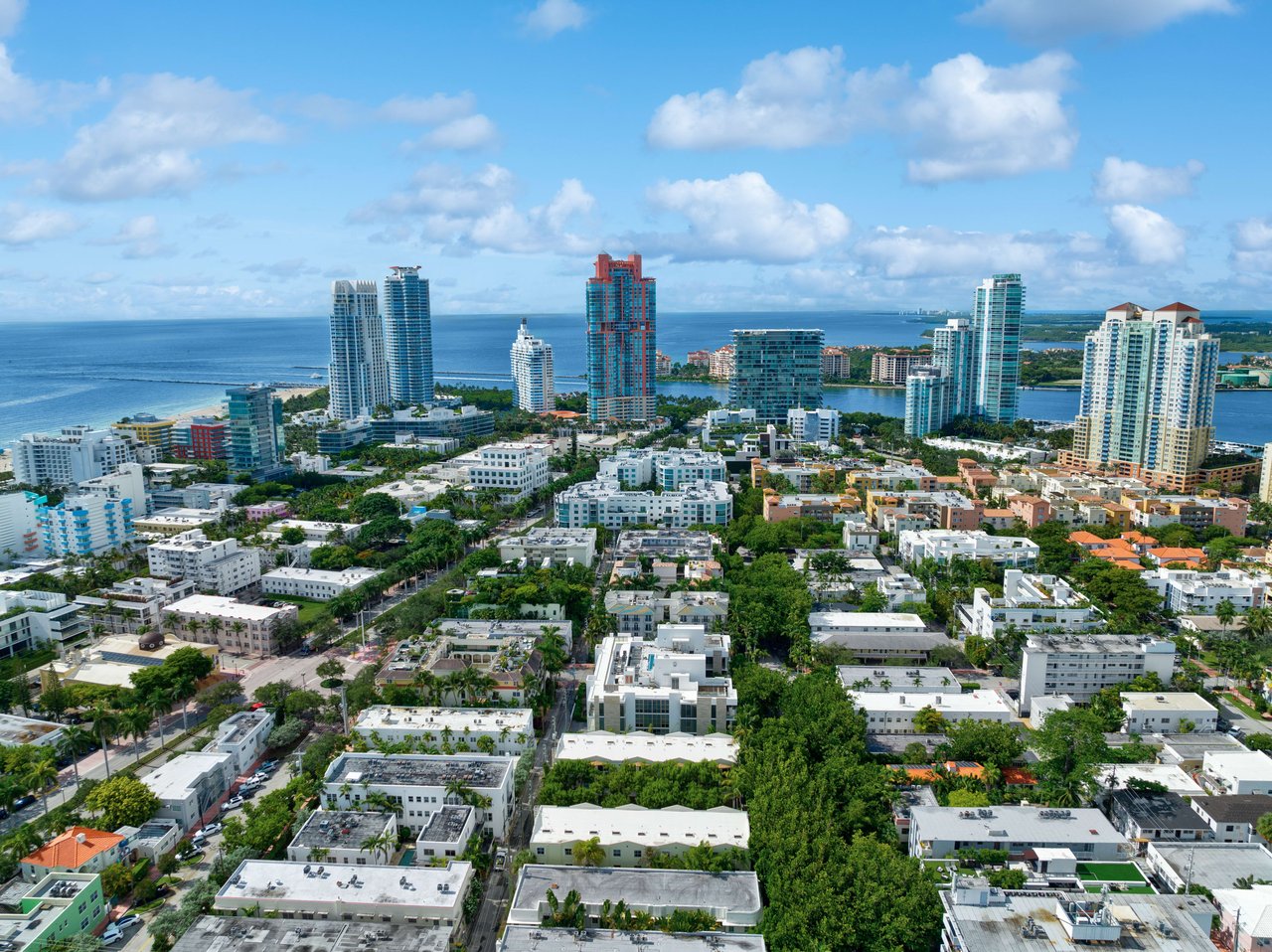
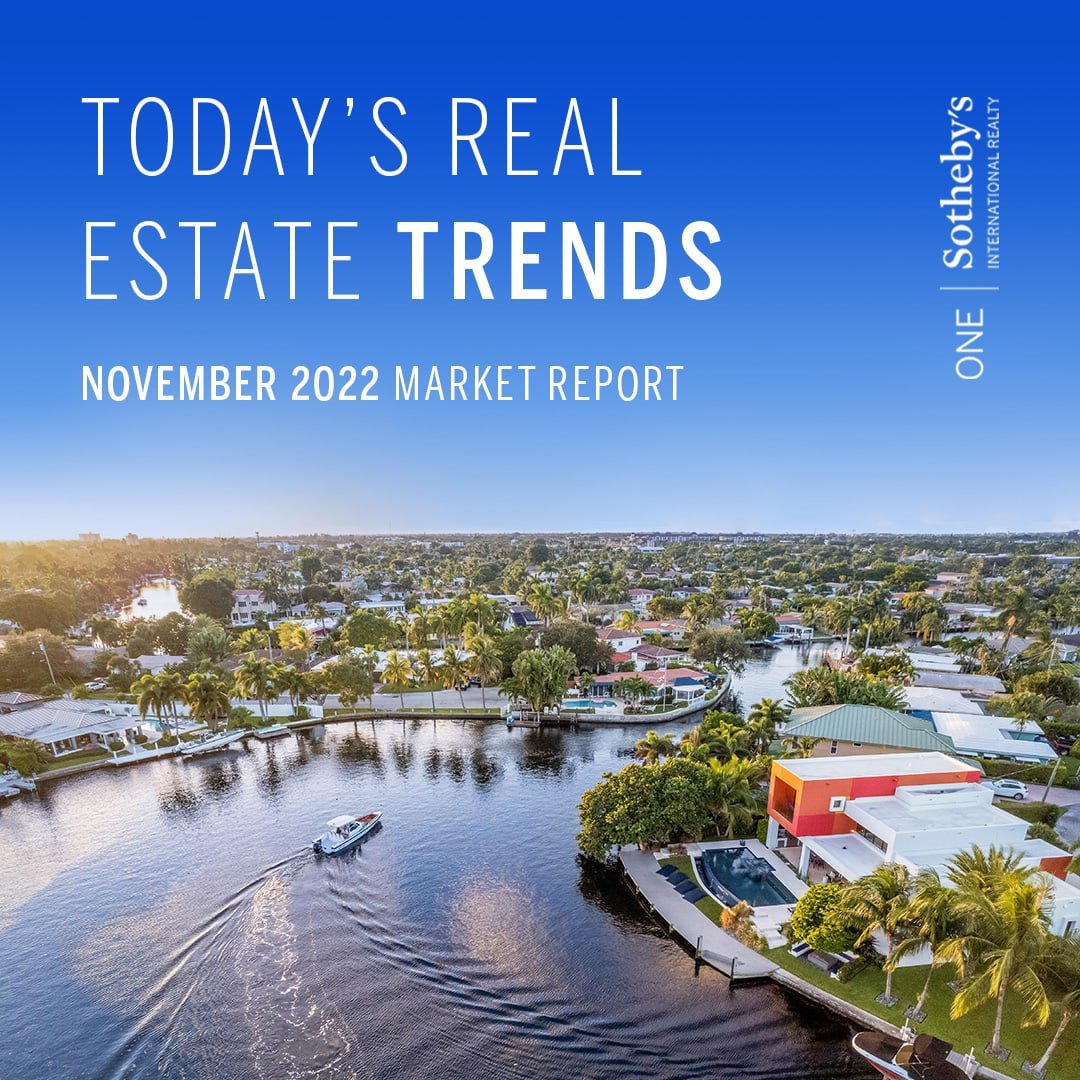
Palm Island is a man-made residential island in Biscayne Bay within the City of Miami Beach, created in the 1920s and connected to the mainland via the MacArthur Causeway. The island has limited road access and a guarded entry, which adds privacy and convenience for residents. For a quick overview of the island’s setting and history, review the neighborhood summary on Palm Island’s Wikipedia page. For permitting and city services, start with the City of Miami Beach.
Waterfront vs. interior lots
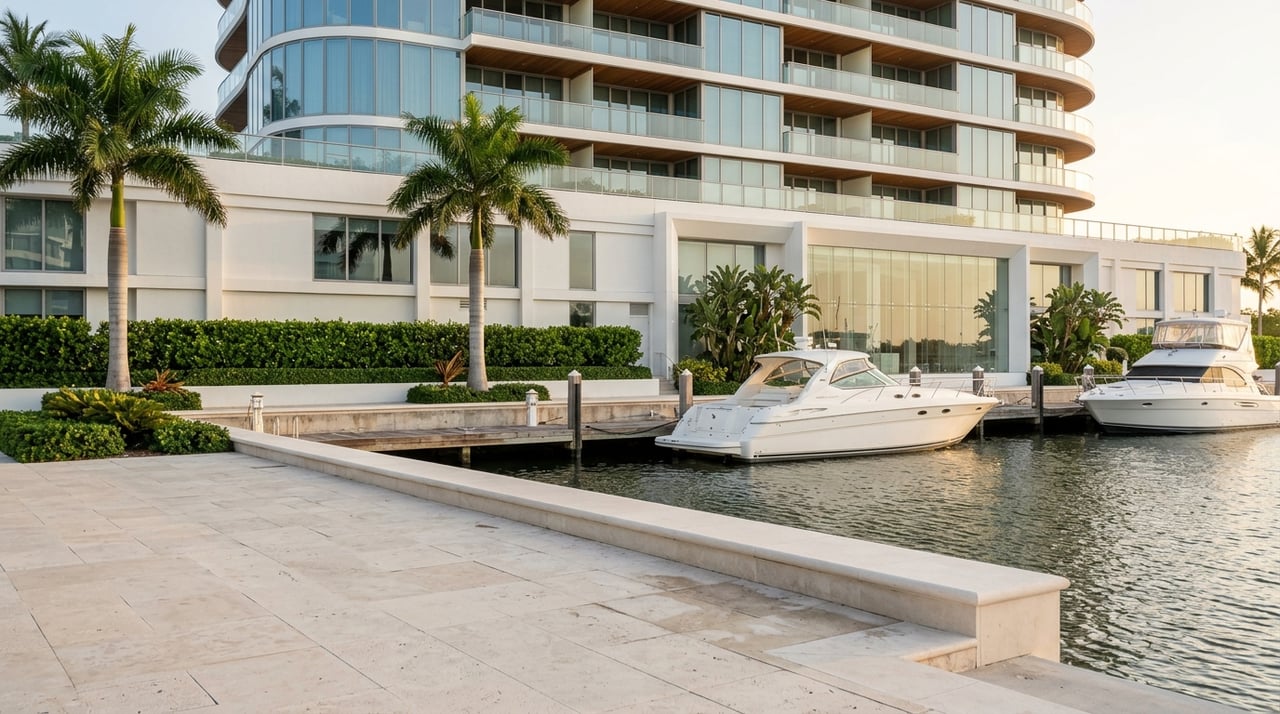
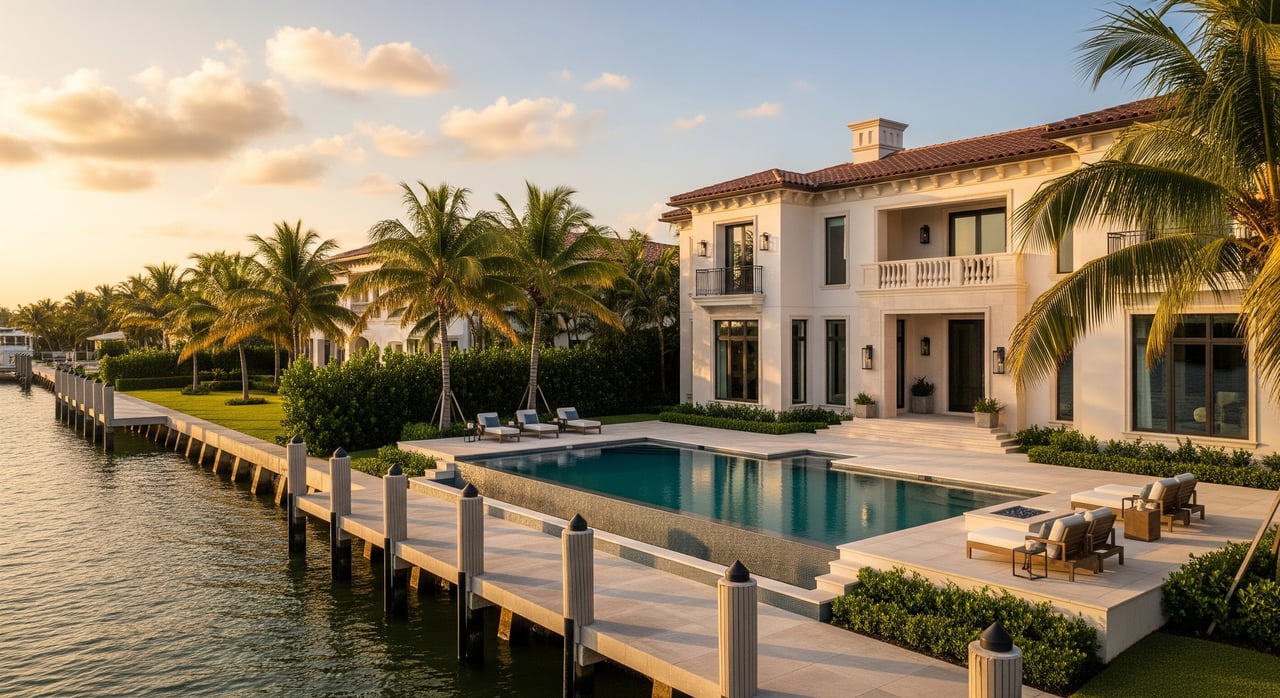
On Palm Island, waterfront frontage is the top value driver. Waterfront parcels often include a seawall and room for a dock or boatlift, and their pricing tracks linear feet of frontage, usable water depth at the dock, and how quickly you can reach open Biscayne Bay. Open-bay and point lots command premiums thanks to sweeping views, wider turning basins, and faster boat access.
Interior, non-waterfront lots typically trade at a discount. You gain privacy from marine traffic and may see different insurance dynamics, but you give up direct boat access and appeal to a narrower buyer pool. Practical takeaway: confirm linear waterfront feet, document the seawall’s condition and age, and verify measured water depth at mean low water early in diligence.
Boat access, bridges and docks
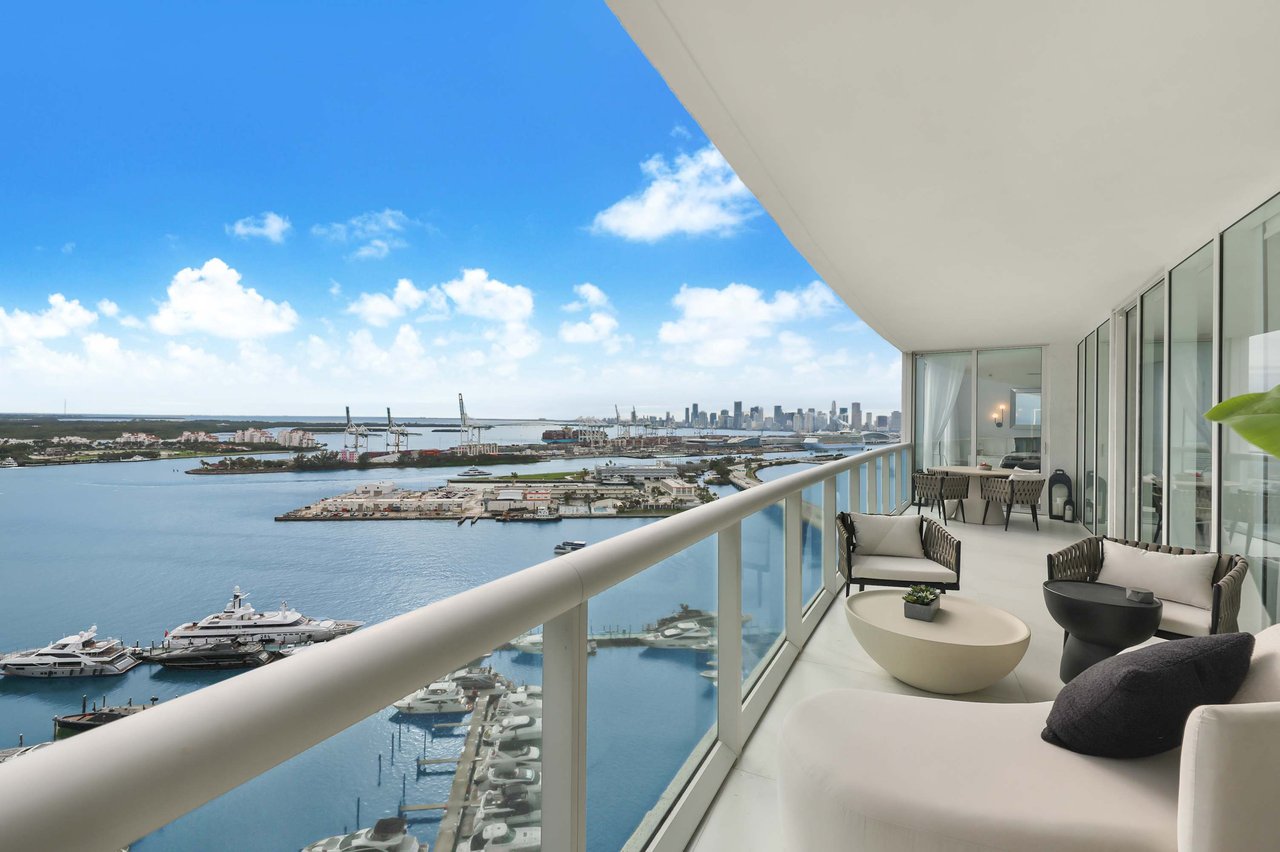
Palm Island sits inside Biscayne Bay with access to the Atlantic through bay channels and Government Cut. If you plan to dock a vessel, verify your exact navigational clearances and channel depths for your boat’s draft and air draft. Bridge and channel details are published in nautical references such as the Coast Pilot, so always cross-check your numbers using current charts and the Coast Pilot bridge guidance.
Permits shape what you can build. Dock length, projection into the waterway, dredging and boatlifts are regulated by county and state agencies, and sometimes federal agencies like the U.S. Army Corps. Miami-Dade recently refined its seawall and bulkhead permitting workflow, which can affect timelines for replacements or upgrades. Review the county’s ordinance update to understand process and timing for marine work via the Miami-Dade seawall permitting item.
Views, orientation and privacy
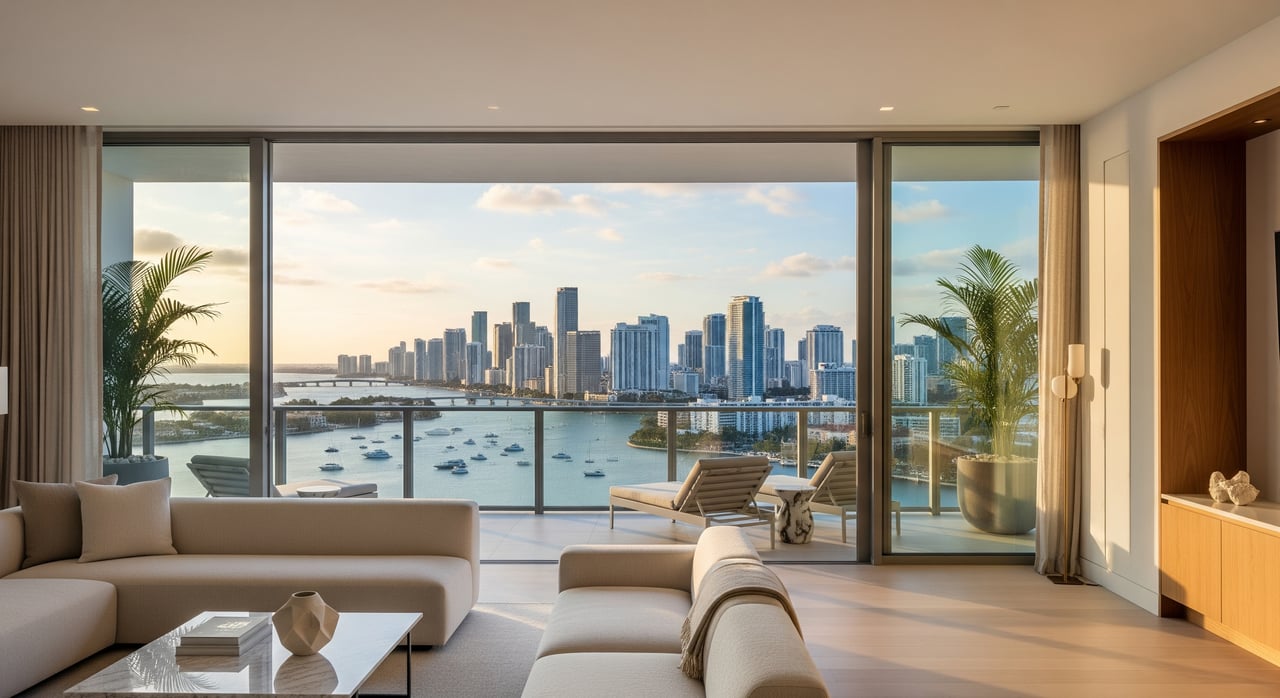
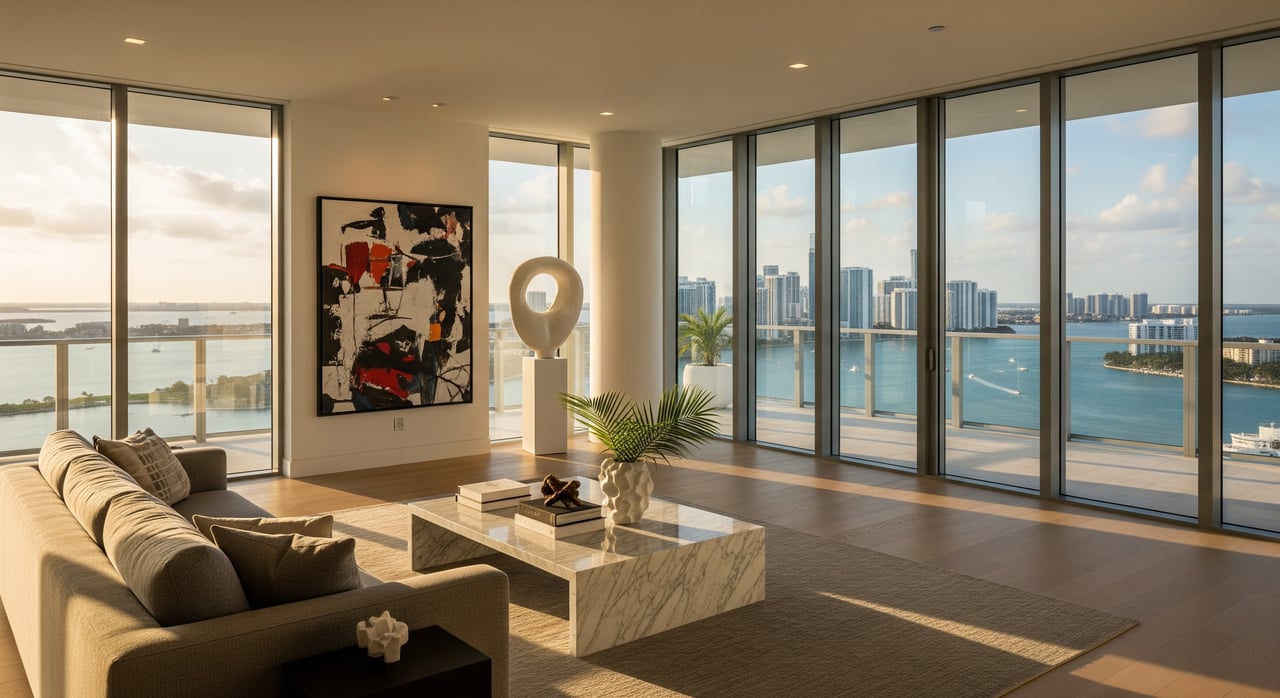
You will see three main view types on Palm Island: open-bay skyline views, canal views and internal landscape views. Point or corner lots often combine wider views with more privacy. Inner canal locations can feel quieter but do not offer the same dramatic vistas.
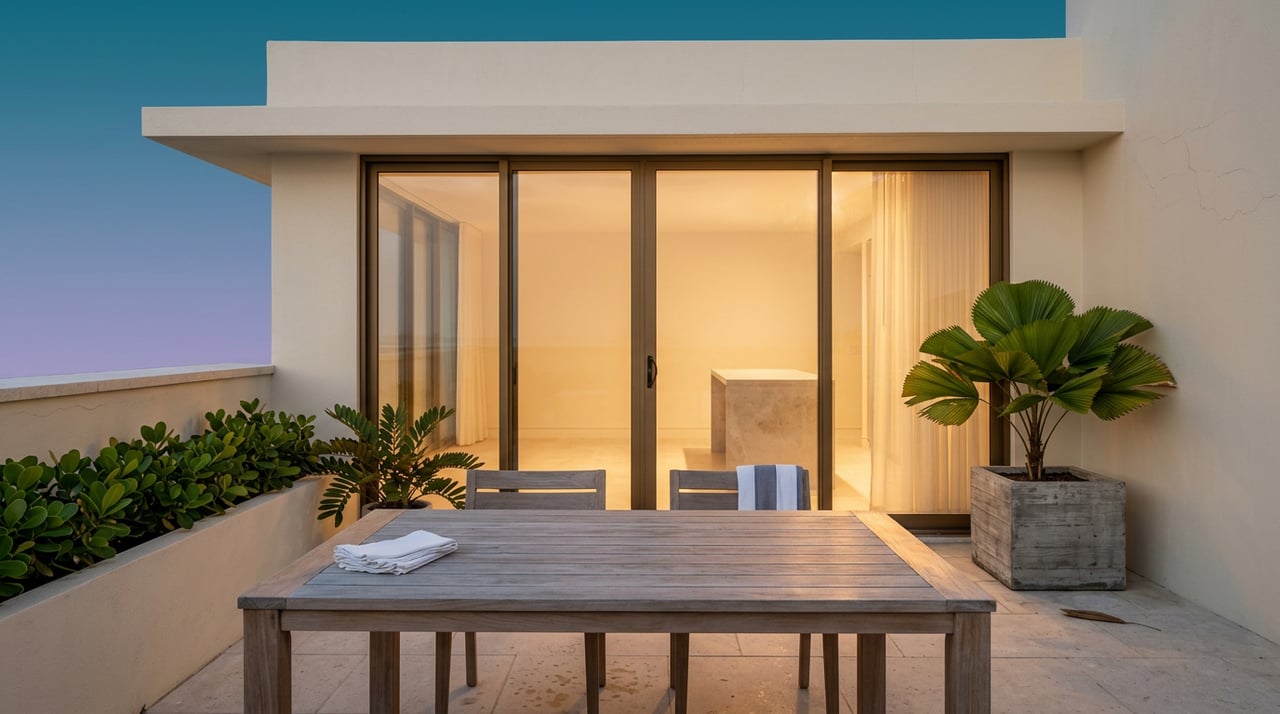
Orientation also matters. West-facing terraces capture sunset light over the downtown skyline, while east-facing decks bring gentle morning sun. Consider sightlines to neighbors, expected boat traffic, and how seawall alignment may reflect wakes when comparing locations.
Features and infrastructure to inspect
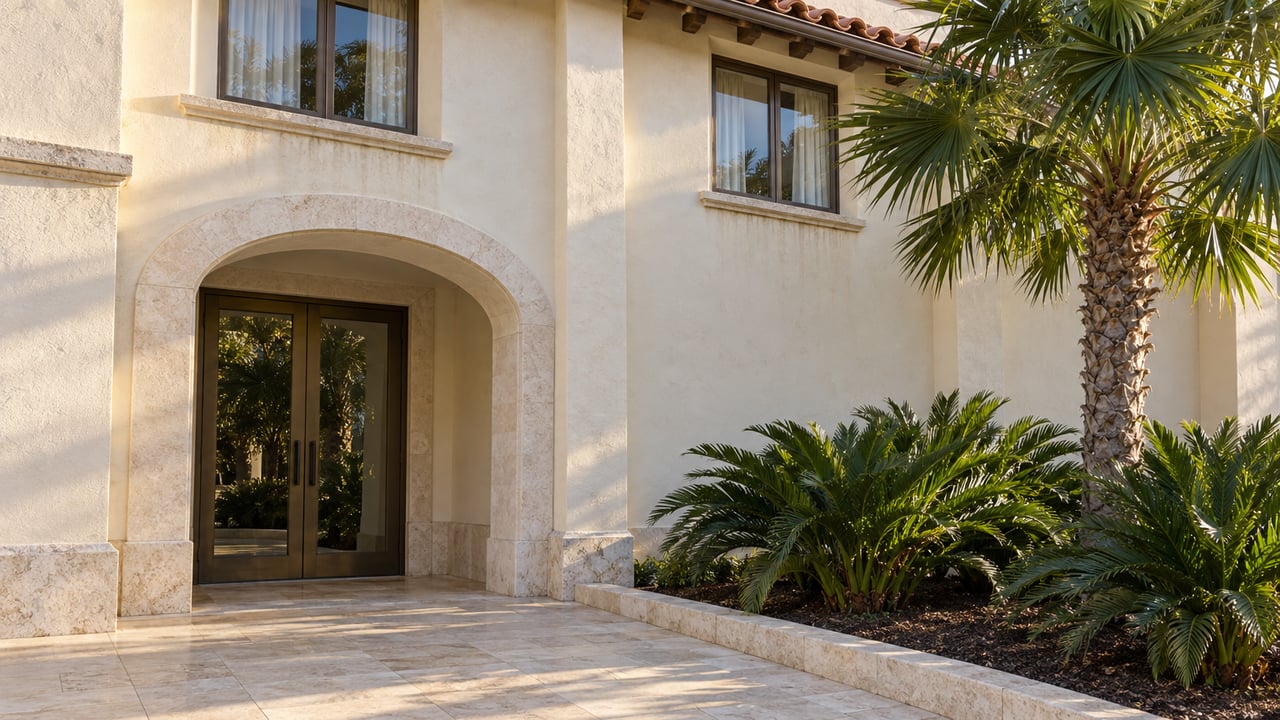
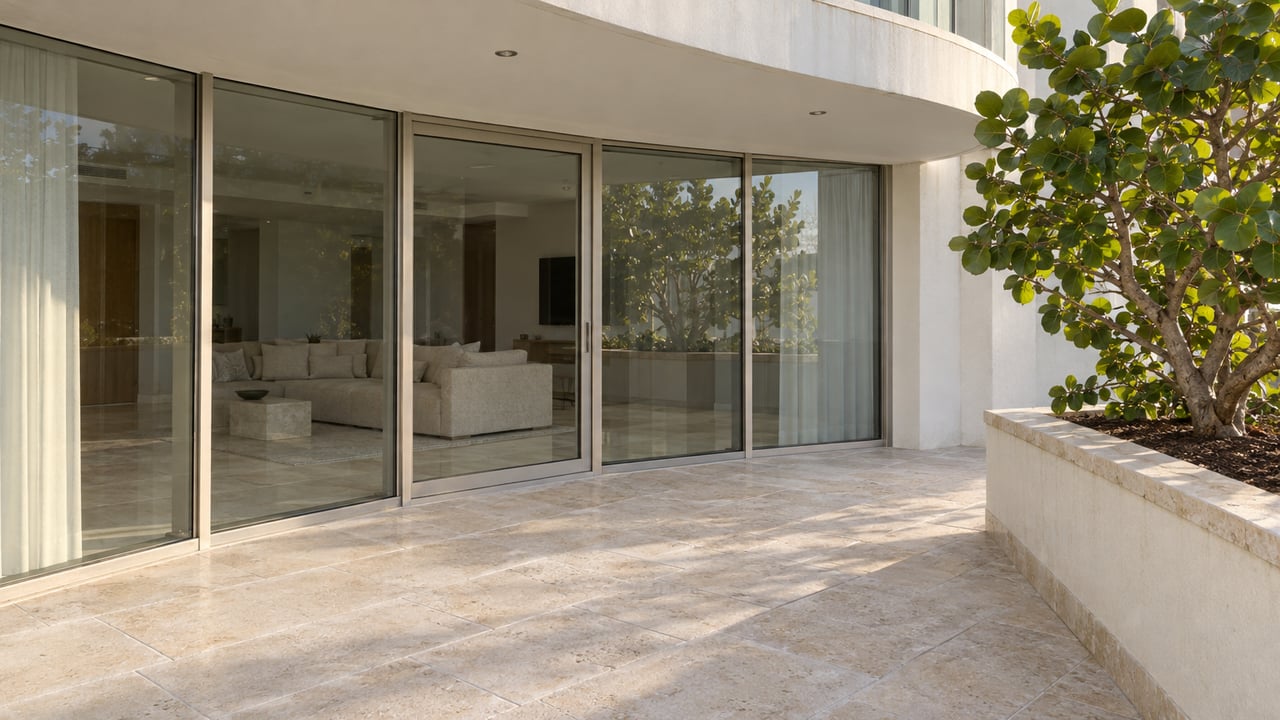
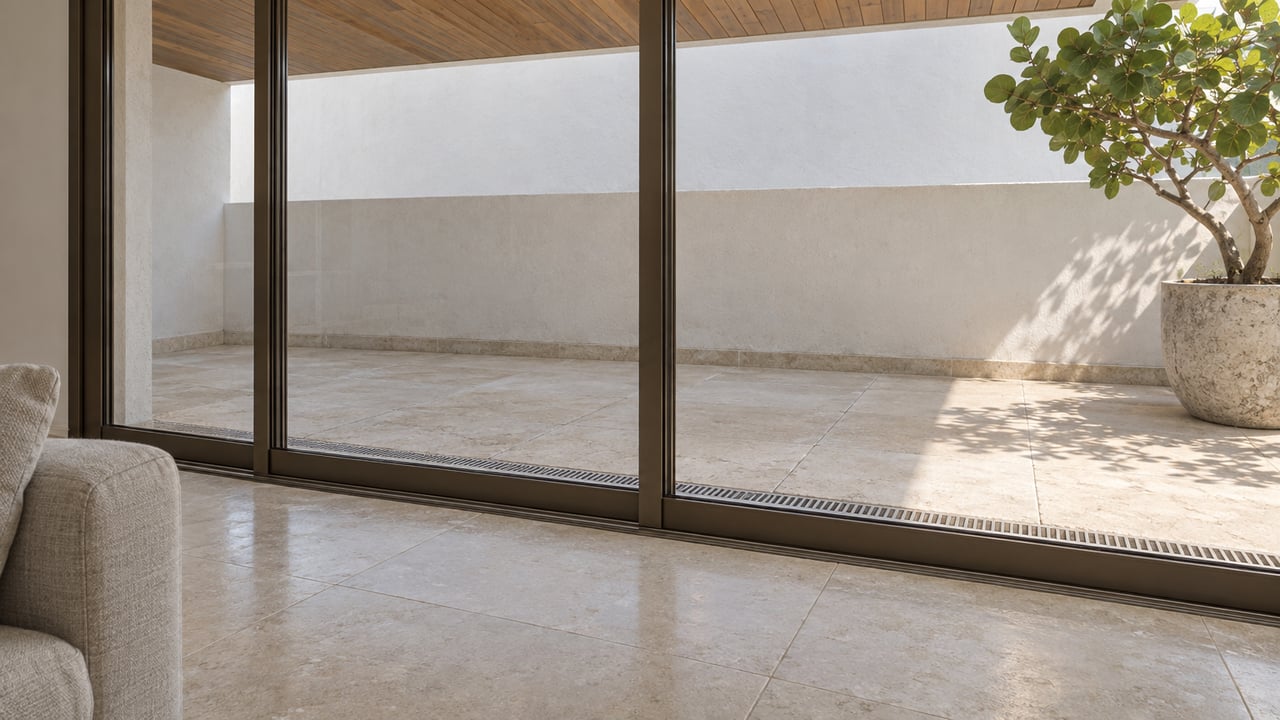
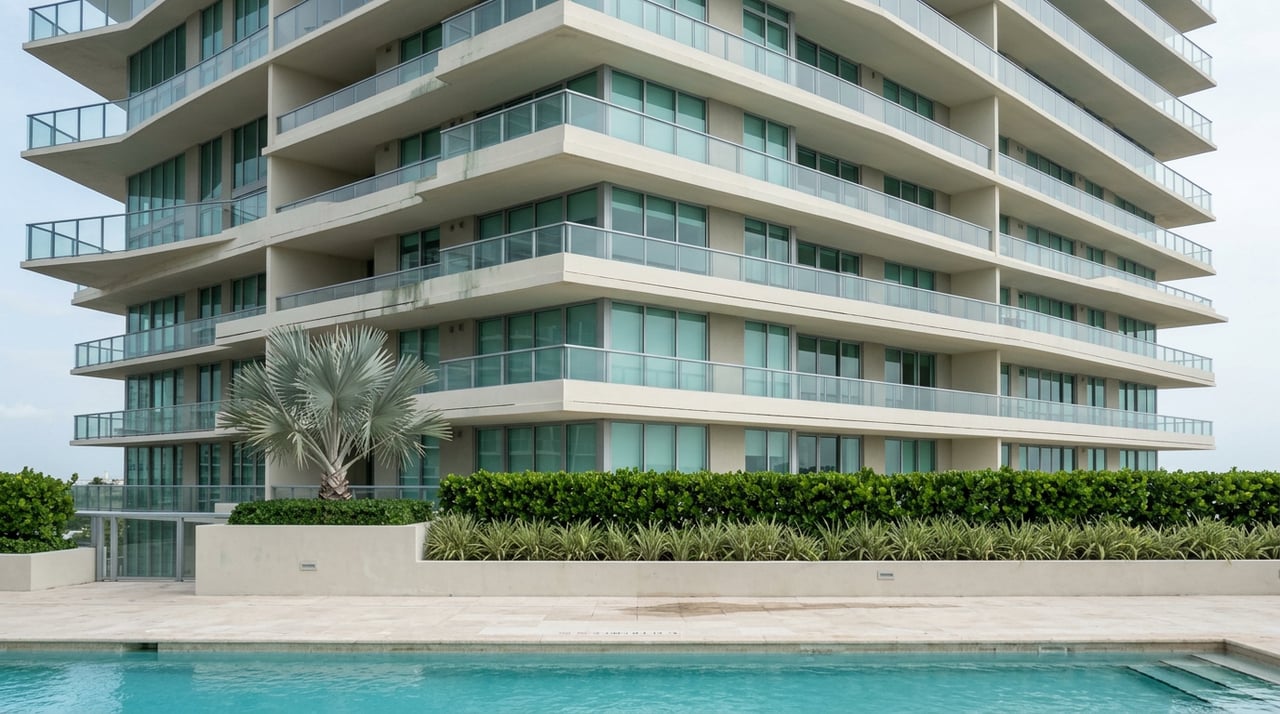
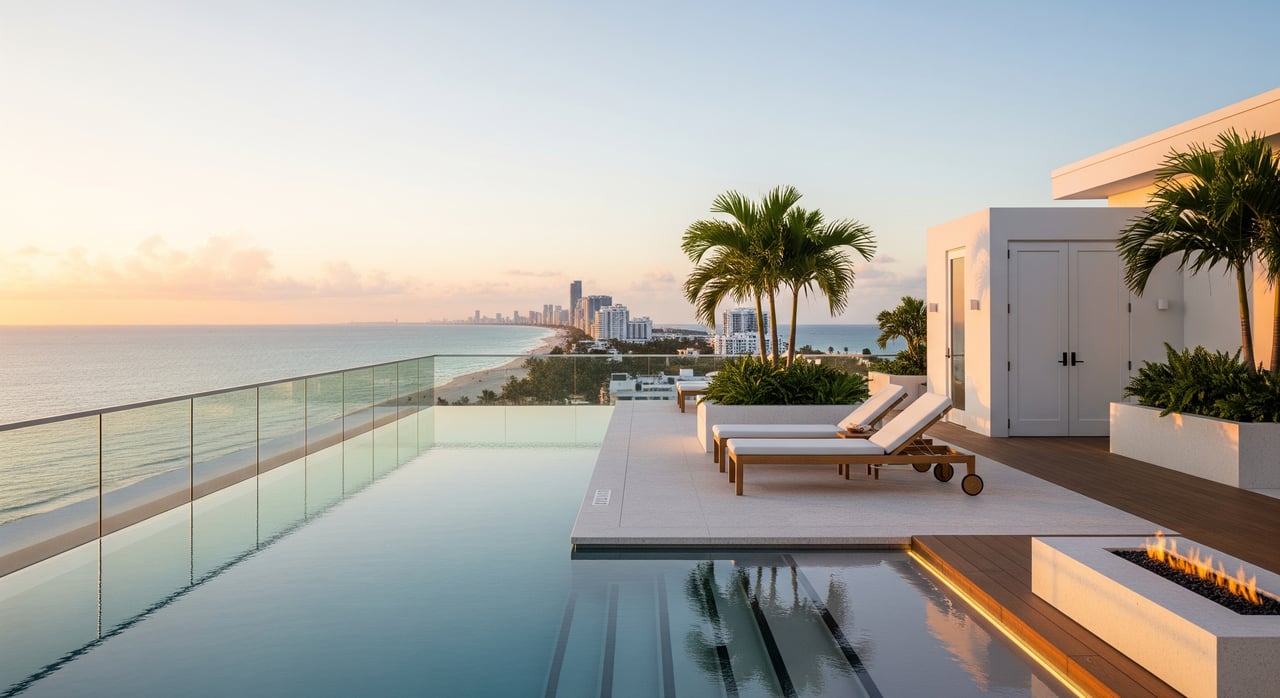
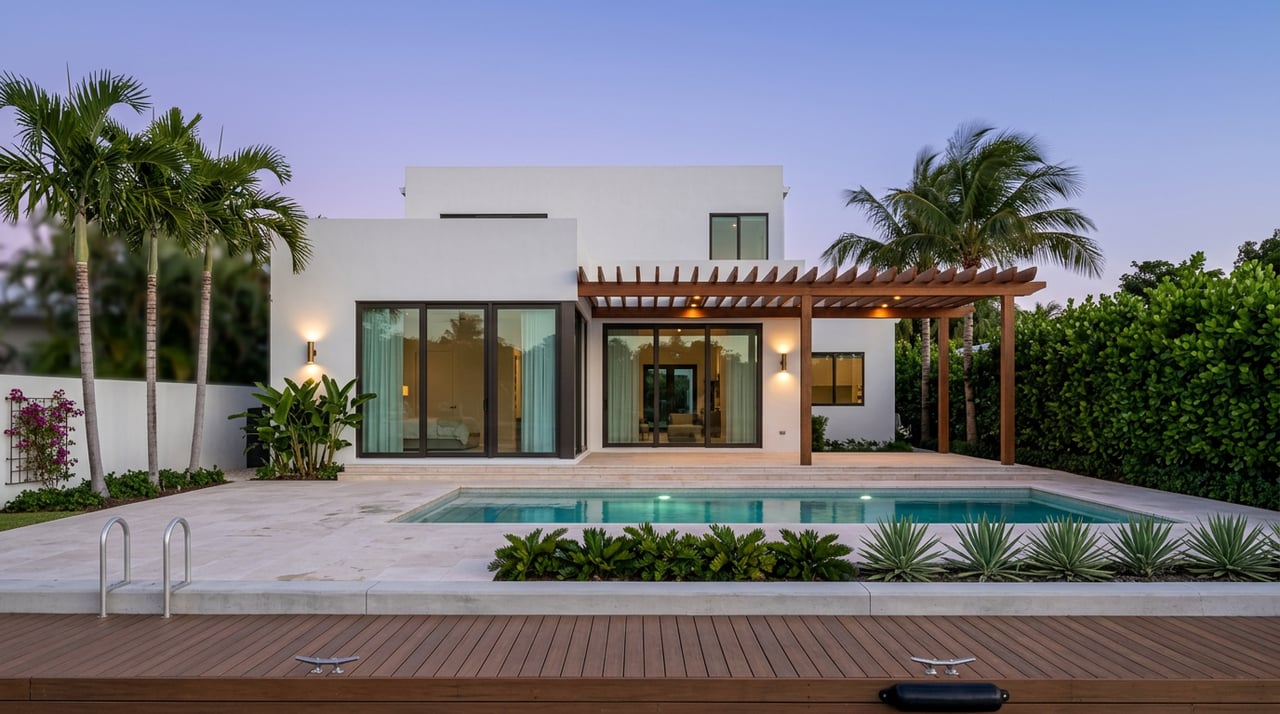
High-end Palm Island homes often feature private docks with lifts, pools and large decks, multi-car garages, guest suites, elevators, impact windows and smart-home systems. Newer builds may elevate main living levels for added flood resilience. Beyond finishes, the invisible systems and structure drive long-term ownership costs.
Create a punch list before you tour:
- Seawall age, tieback condition and any movement or cracking.
- Dock pilings, lift capacity and electrical service at the dock.
- Top-of-seawall elevation relative to recent king-tide events.
- Electrical capacity for modern systems, sometimes including 3-phase service.
- Sewer connection confirmation and any backflow prevention.
- Past storm impacts or signs of long-term water intrusion.
Flood, elevation and insurance basics
Much of Miami Beach sits in FEMA Special Flood Hazard Areas. Start by confirming flood zones and base flood elevations using the FEMA Flood Map Service and the Miami-Dade County flood map resources. For longer-term context, review potential inundation scenarios using NOAA’s Sea Level Rise Viewer and the City’s resilience program, Miami Beach Rising Above.
If you plan a renovation, learn the substantial improvement rule. Renovations at or above roughly 50 percent of the structure’s value can trigger full compliance with current flood-elevation and construction standards, which can reshape your budget and timeline. Review FEMA’s summary of the 50 percent rule before you scope major work.
Insurance deserves early attention. Lenders often require flood insurance in SFHAs, and wind coverage on barrier islands can be costly, especially for older structures. Ask for current flood and wind quotes during diligence, note any mitigation credits for impact windows or elevated finished floors, and budget time to shop coverage options.
Short-term rentals and use rules
Miami Beach maintains strict rules around short-term rentals in many residential districts, and the city actively enforces registration and use. If rental income is part of your plan, verify allowed uses and any local business tax or resort tax requirements before you bid. To understand the policy landscape and enforcement posture, review a recent Miami Beach commission session discussing short-term rentals.
Pricing in a micro-market
Palm Island is a small submarket with very few closed sales in any given year. That means median and average price figures can swing widely month to month, and public portals often publish different snapshots. Treat portal numbers as directional only, then confirm pricing with current on- and off-market comparables through a local waterfront specialist. Expect premiums for larger or point lots, deep-water dockage, open-bay views, and turnkey new construction with updated seawalls.
Due-diligence checklist for Palm Island
Request these documents early:
- Recorded deed and title history, note any shoreline or submerged-land encumbrances.
- Complete permit history for the house, pool, seawall and dock, including final inspections from the City and County. Start with the city portal at the City of Miami Beach and follow with county marine permits.
- Elevation Certificate, or plan to order a new elevation survey if it is missing. Cross-check flood zones using the FEMA Flood Map Service.
- Seawall and dock inspection reports, ideally including a diver assessment of the seawall toe, tiebacks and pilings.
- Insurance loss history plus current or recent quotes for flood and wind coverage.
Line up the right inspections and advisors:
- Full home inspection and a licensed boundary and topographic survey showing mean high water and bulkhead lines.
- Marine engineer evaluation for the seawall and dock, including underwater visuals.
- Structural and soils review if you are considering a teardown or major elevation work.
- Environmental and permitting pre-screen with the City and County to identify any state or federal approvals needed for marine work. The County’s workflow update for seawalls and bulkheads is summarized in the Miami-Dade permitting item.
Key questions to ask the listing agent or owner:
- What is the seawall’s installation or replacement date, and do you have permits and as-built drawings?
- What is the measured water depth at the dock at mean low water, and how far is the dock from the main channel?
- Has any marine work been completed without permits, or are there open permit issues?
- Are there recorded easements or covenants that limit dock projection, dredging or bulkhead work?
- What flood zone applies today, and do you have an Elevation Certificate on file?
- What are the current annual property taxes, and are there recent assessments or pending changes? For context on tax records, see the county’s property records portal.
- Are there short-term rental restrictions specific to this lot, and are there any active code cases?
- What is the history of flood and wind insurance renewals and premium trends?
Your next move
Buying on Palm Island rewards careful planning. When you pair precise technical diligence with a clear lifestyle vision, you protect your investment and set yourself up for years of easy waterfront living. If you want a local, hands-on guide who understands marine permitting, flood and insurance realities, and the micro-market’s pricing dynamics, connect with Adrian Burke for a private consultation.
FAQs
What makes Palm Island different from other Miami Beach islands?
- It is a guarded, man-made island within the City of Miami Beach with limited road access via the MacArthur Causeway, strong waterfront orientation, and a small inventory that drives premium pricing and low sales volume.
How do bridge clearances affect yacht size on Palm Island?
- Your boat’s air draft and draft must match local channel depths and bridge heights, so confirm clearances using current charts and references like the Coast Pilot bridge guidance before you commit.
What flood and insurance steps should I take before I offer?
- Check your FEMA flood zone and base flood elevation using the FEMA Flood Map Service, then get early flood and wind insurance quotes to confirm lender requirements and realistic premiums.
Can I run a short-term rental in a Palm Island home?
- Miami Beach enforces strict short-term rental rules in many residential areas, so verify what is allowed for the specific lot and review the city’s enforcement approach in a recent commission session before you plan on rental income.
What paperwork should I request from the seller on a waterfront listing?
- Ask for full permit history for the house, seawall and dock, an Elevation Certificate, recent insurance information, and a professional seawall and dock inspection report, then confirm records with the City of Miami Beach.