Buying a condo in South of Fifth from abroad can feel simple on the surface and surprisingly complex once the paperwork starts. You may be balancing time zones, banking rules, remote tours, and Florida condo documents all at once. The good news is that international purchases are common in this market, and with the right process, you can move forward with more clarity and less stress. Let’s dive in.
Why South of Fifth Draws International Buyers
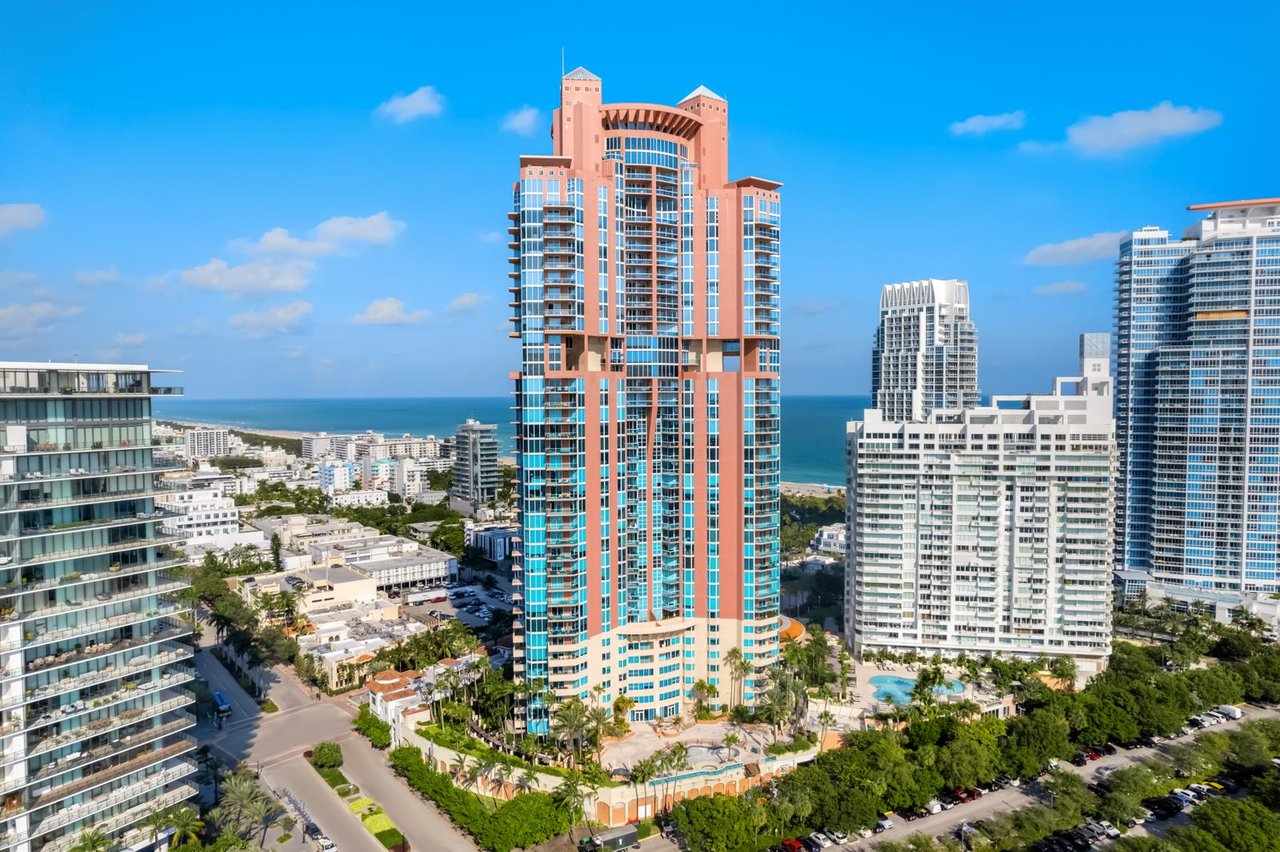
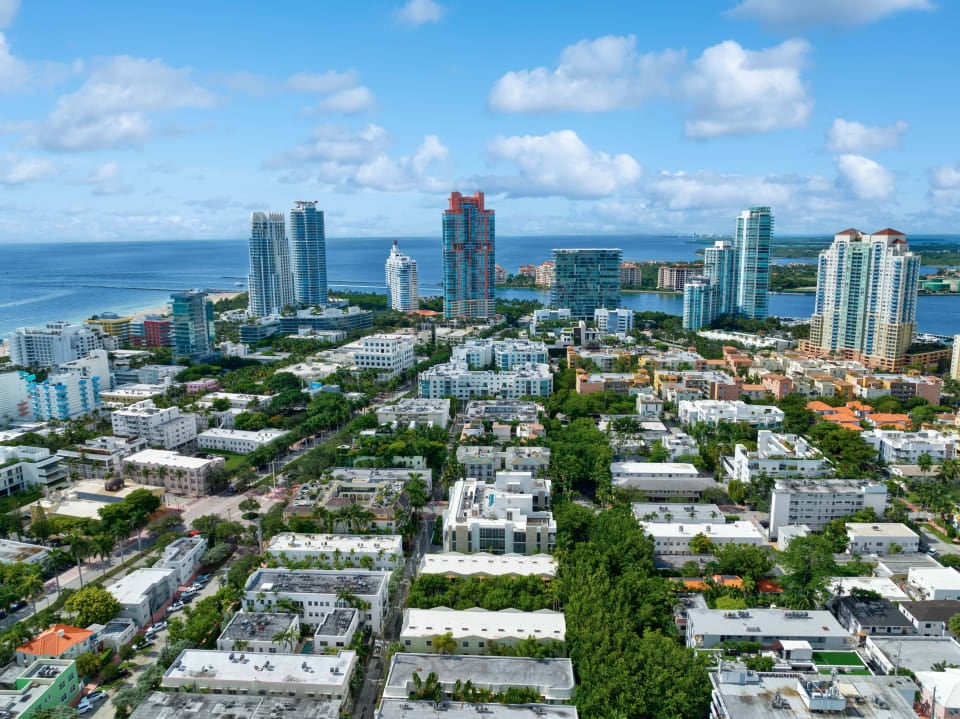
South of Fifth sits in one of the most globally recognized parts of the Miami area, so it is no surprise that cross-border activity is a major part of the local condo market. Florida remained the top U.S. destination for international residential buyers in the April 2024 to March 2025 period, accounting for 21% of foreign buyers nationally. In Florida, 49% of international purchases took place in the Miami-Fort Lauderdale-West Palm Beach metro area.
That matters if you are shopping in South of Fifth because the buying process here is already built around remote communication, international funds movement, and overseas decision-making. Many buyers are purchasing while living abroad, and teams involved in these transactions are used to coordinating across languages, schedules, and jurisdictions. In practice, that can make your purchase more manageable than you might expect.
South Florida also attracts a luxury-minded and investment-aware buyer pool. Florida Realtors found that 67% of Florida international buyers paid all cash, while national data from NAR showed 47% paid cash. At the same time, Miami-Dade condo prices have stayed even or increased for 14 straight years, and MIAMI REALTORS reported a 103.3% rise in condo prices from May 2015 to May 2025.
How the Remote Buying Process Usually Works
Start with a focused property shortlist
Most international buyers begin with a narrowed list of buildings, floor plans, and views that fit their goals. In South of Fifth, that often means comparing lifestyle priorities with practical ones, such as building age, maintenance profile, amenities, and how quickly you want to close. A focused shortlist saves time and helps you avoid reviewing too many options from a distance.
This is where virtual tools matter. Live video tours and virtual walkthroughs can help you compare stacks, layouts, light, and sightlines before you book travel or make an offer. For a neighborhood like South of Fifth, where building-by-building differences can shape value and ownership costs, that early screening process is especially important.
Move from touring to offer strategy
Once you identify the right condo, the next step is aligning your offer with your payment path and timing. If you are buying with cash, the conversation usually centers on proof of funds, wiring logistics, and timing to closing. If you are financing, the focus shifts to lender requirements, underwriting timelines, and any condo review conditions.
Because cross-border purchases often involve more moving parts, it helps to organize your documentation early. That includes identification, entity paperwork if relevant, proof of funds, and lender documents if you are not paying cash. A clean file can keep a South of Fifth transaction moving without avoidable delays.
Plan for remote signing and closing
Florida allows online notarization and remote online notarization using audio-video communication technology. That means many international buyers can sign from abroad rather than traveling back for closing. Still, the exact signing method must be accepted by the title company, lender, and any other parties involved.
In other words, a remote closing is often possible, but it should never be assumed. Early confirmation on signing requirements can prevent last-minute scrambling. This is one of the most important details to clarify as soon as you go under contract.
Cash vs. Financing for International Buyers
South Florida is a cash-heavy market for international buyers, but financing is still part of the picture. Florida’s international buyer profile shows cash is the dominant pattern, yet both U.S. mortgages and home-country mortgages are also used. Your best option depends on liquidity, tax planning, and how quickly you want to close.
Here is the practical difference:
- Cash purchases usually move faster and focus on proof of funds, source and timing of wires, and title coordination.
- Financed purchases require more documentation, lender review, and attention to closing conditions.
- Cross-border financing paths may involve a U.S. lender or financing arranged in your home country, depending on your structure and eligibility.
In a competitive luxury condo market, speed and certainty can matter. That is one reason many international buyers favor cash. But if financing supports your broader goals, it can still be part of a smart acquisition plan.
Florida Condo Documents You Should Review Carefully
Resale condo documents
For resale condos, Florida law gives buyers a short but meaningful review window. If certain required documents are not delivered before contract execution, the buyer gets a 3-business-day voidability period after receiving them. That window applies to core records such as the declaration, articles of incorporation, bylaws, rules, latest annual financial statement, annual budget, and FAQ document.
For many buyers, this is the most important due diligence phase of the transaction. It is your chance to understand how the association operates, what the financial picture looks like, and whether there are rules or obligations that affect your ownership plans. If you are buying remotely, this review deserves extra attention, not less.
Safety and reserve records matter more now
Florida condo law now places added focus on building condition and reserve planning. For applicable buildings, buyers may also need to review milestone-inspection summaries and structural-integrity reserve study materials. State law requires milestone inspections for buildings that are three habitable stories or more at 30 years of age and every 10 years after that, and saltwater-adjacent local enforcement agencies may require the first inspection at 25 years.
Since the statewide deadline for existing associations to address structural-integrity reserve study requirements passed on December 31, 2025, a 2026 buyer should expect either a completed study or clear evidence that the association is operating within the applicable compliance framework. In a coastal condo market like South of Fifth, these records can shape both your comfort level and your long-term cost expectations.
New development works differently
If you are buying new development or pre-construction, the document package changes. Florida law requires certain larger residential condominium developers to prepare and file a prospectus or offering circular before an enforceable contract is entered. The contract language also provides a 15-business-day voidability period tied to receipt of the required items.
That longer review period is one reason new development purchases feel different from resales. You are not just evaluating a unit. You are reviewing a broader offering structure, timelines, disclosures, and what is promised as part of the development.
Why Digital Records Help Remote Buyers
Florida gives condo owners and prospective purchasers access to important association records, including governing documents and budgets. Owners or their authorized representatives can inspect and obtain copies at their expense. For international buyers, that can make remote diligence much more workable.
Starting January 1, 2026, condominiums with 25 or more units must also maintain a website or mobile application with specified records posted digitally. When an association is compliant, this can make it easier to review key materials without relying on courier delays or scattered email chains. In a remote transaction, faster document access can lead to better decisions.
Closing Costs International Buyers Should Expect
A South of Fifth condo purchase involves more than the negotiated price. In Miami-Dade, deeds that transfer real property are subject to documentary stamp tax at 60 cents per $100 of consideration, plus a 45-cent county surtax. If you are using financing, Florida also imposes a nonrecurring intangible tax on the mortgage obligation at 2 mills, generally paid when the mortgage is recorded.
These charges are not minor line items, especially at luxury price points. Before closing, you should review the settlement statement carefully so transfer taxes, mortgage taxes, recording costs, and related charges are clear. A detailed review helps you avoid surprises and keeps your funds plan accurate.
Wire Safety Is Essential in Remote Closings
When you are wiring funds from abroad, security deserves just as much attention as pricing or timing. The CFPB warns that scammers target real estate transactions by sending fake last-minute wire instructions. This risk is especially relevant for international buyers because distance can make it easier for fraudulent messages to appear legitimate.
Before sending money, confirm every bank detail using known phone numbers for trusted settlement contacts. Do not rely on a last-minute email alone, even if it looks polished or urgent. Keeping two verified points of contact available can add another layer of protection if anything changes or seems unclear.
Think Beyond Closing Day
An international purchase should be planned as part of a full ownership cycle, not just a single closing. One issue many buyers should understand early is FIRPTA, which generally applies when a foreign person later disposes of a U.S. real property interest. It is not a purchase tax, but it can affect the eventual resale process.
That is why it helps to keep your ownership and tax records organized from day one. Your purchase structure, closing file, and future sale planning should all work together. Thinking ahead now can make a later resale cleaner and more predictable.
A Smarter Way to Buy from Abroad
The strongest international condo purchases in South of Fifth usually follow the same pattern: clear shortlist, organized funds path, careful document review, secure closing coordination, and early planning for the full ownership timeline. None of that removes the complexity of a cross-border transaction, but it does make the process much easier to manage. In a market where luxury inventory, building details, and timing all matter, a well-run process is part of the value.
If you are considering a South of Fifth condo from abroad, working with someone who understands both the micro-market and the logistics can save time and reduce friction. For a private, concierge-level conversation about your goals, connect with Adrian Burke.
FAQs
Can an international buyer close on a South of Fifth condo from abroad?
- Yes, often. Florida permits online notarization and remote online notarization, but the title company and lender must accept the signing format for your specific transaction.
Do international buyers usually finance South of Fifth condo purchases?
- Some do, but cash is more common. Florida’s 2024 international buyer profile found that 67% of Florida international buyers paid all cash.
What documents matter most in a Florida resale condo purchase?
- Key documents include the declaration, articles of incorporation, bylaws, rules, latest annual financial statement, annual budget, and FAQ document. For applicable buildings, milestone-inspection summaries and structural-integrity reserve study materials also matter.
What should an international buyer review in a South of Fifth new development purchase?
- You should review the prospectus or offering circular and understand the 15-business-day voidability period tied to receipt of required documents under Florida law.
What closing costs are easy to miss in a Miami-Dade condo purchase?
- Buyers often overlook Miami-Dade documentary stamp tax, the county surtax, and the nonrecurring intangible tax on the mortgage if financing is used.
What should international buyers verify before wiring condo closing funds?
- Confirm all bank details by phone using trusted settlement contacts and known phone numbers, since real estate wire fraud often involves fake last-minute changes sent by email.