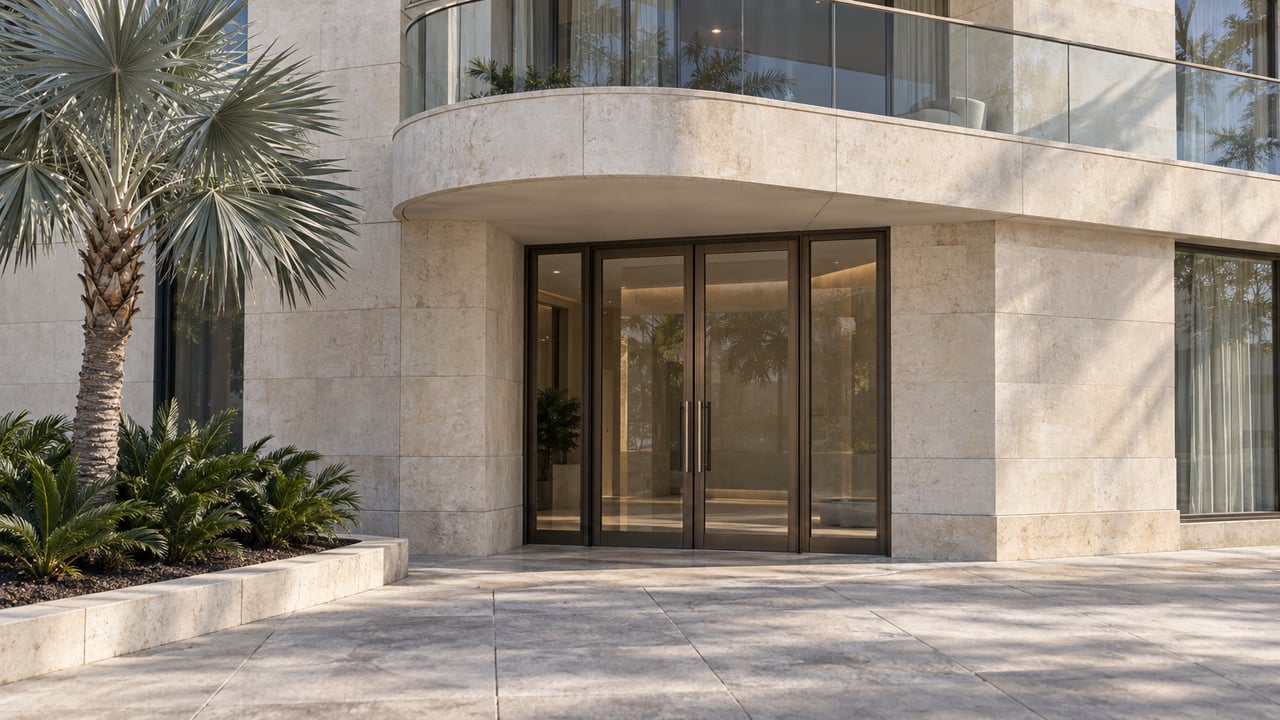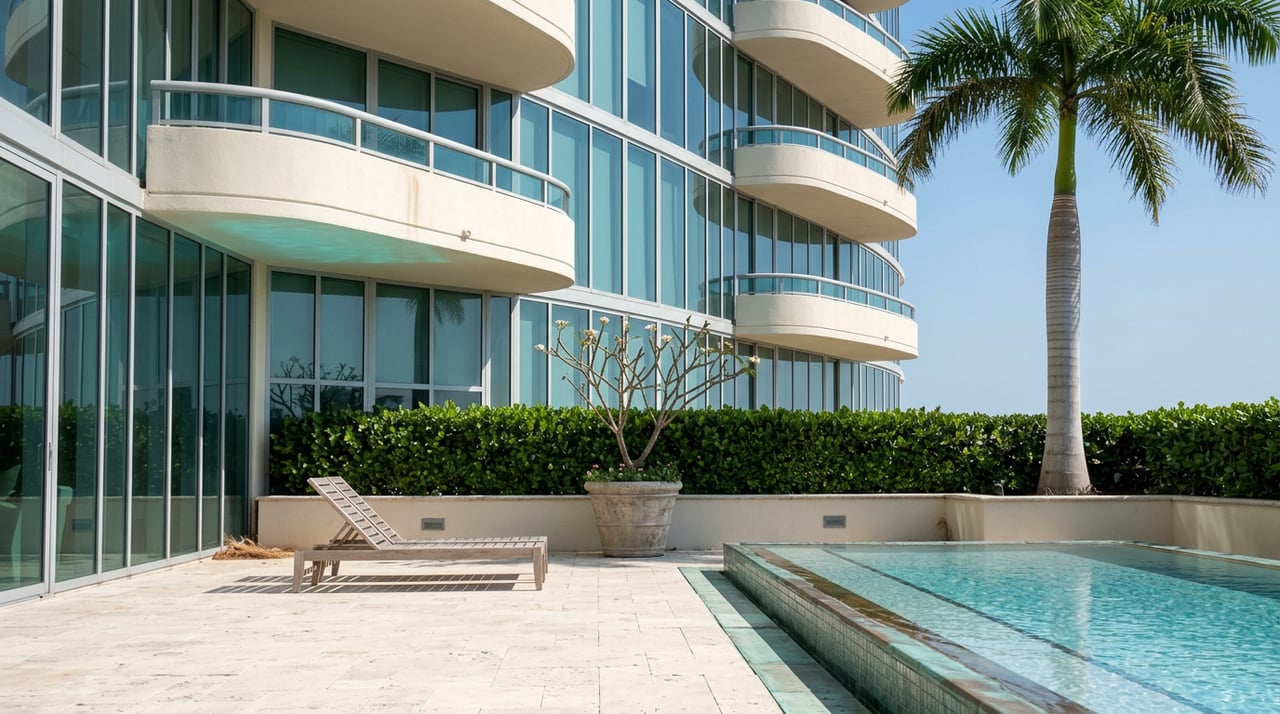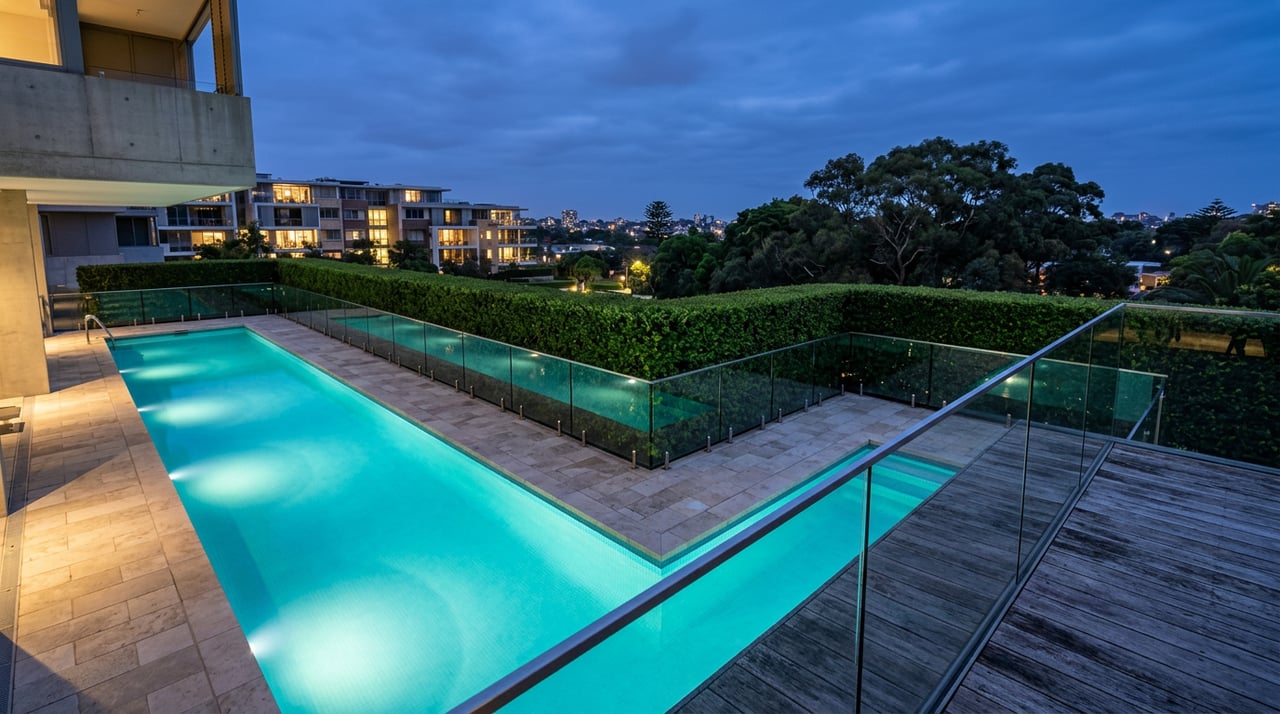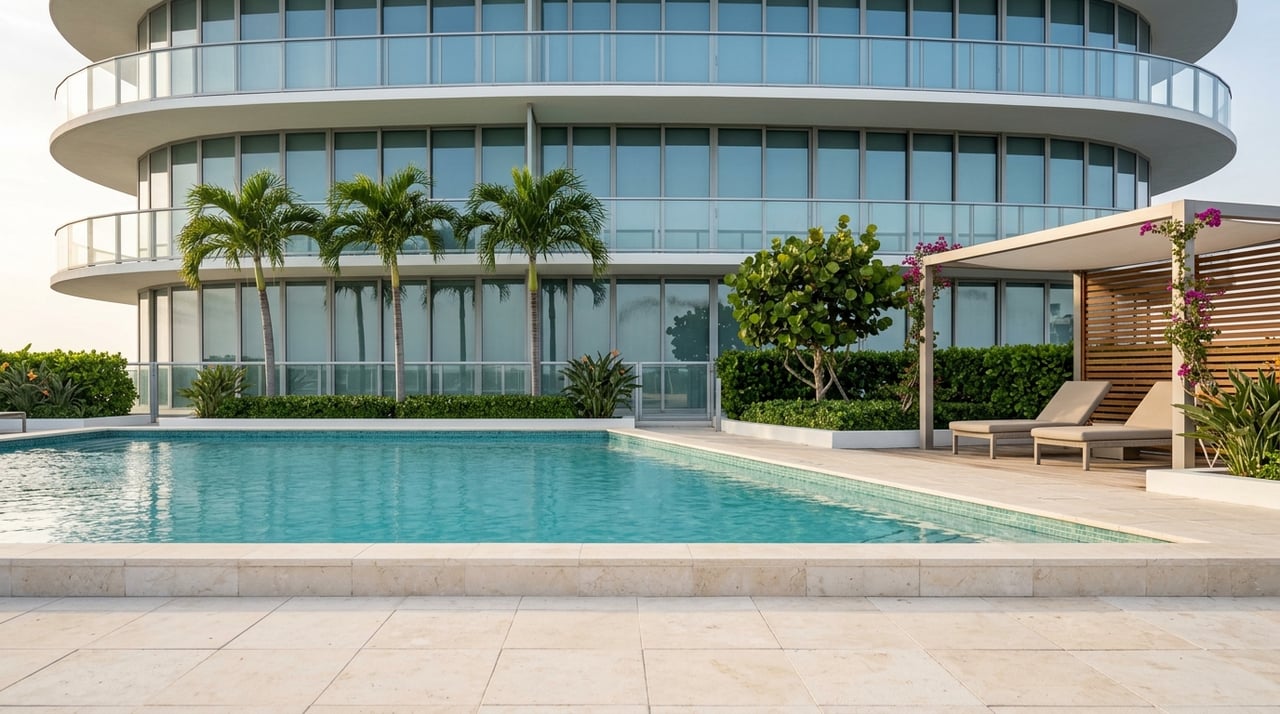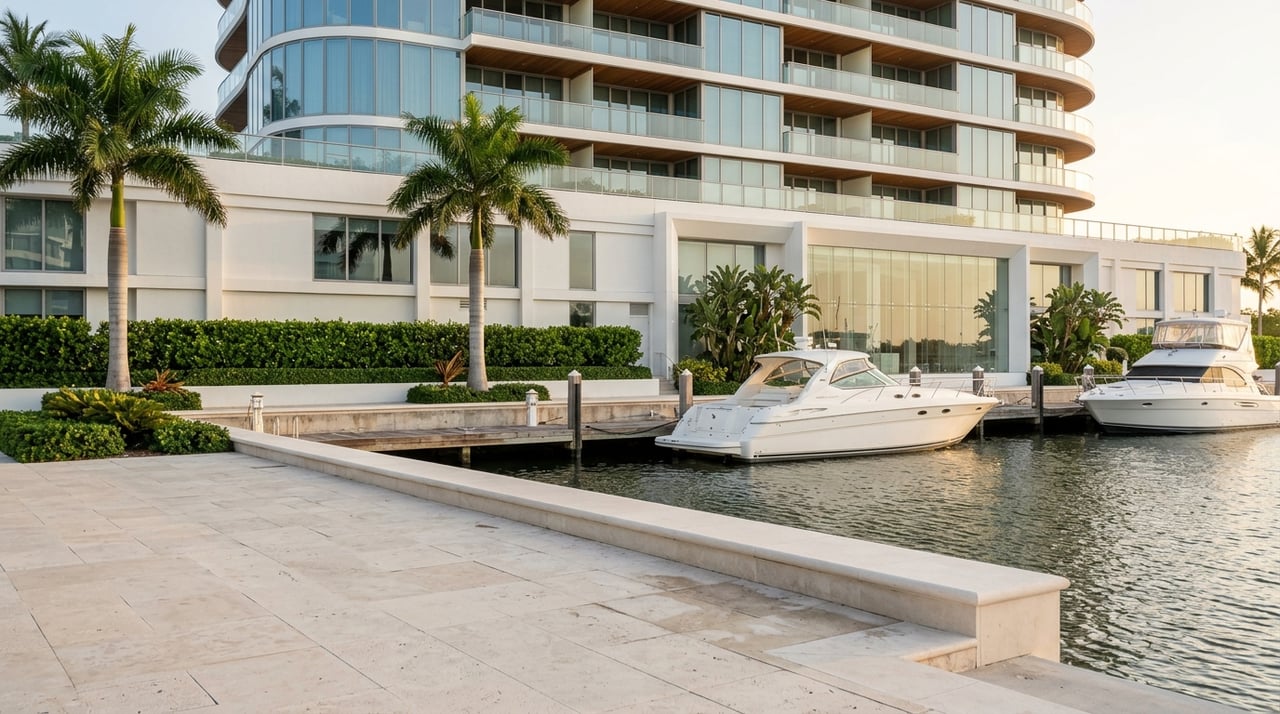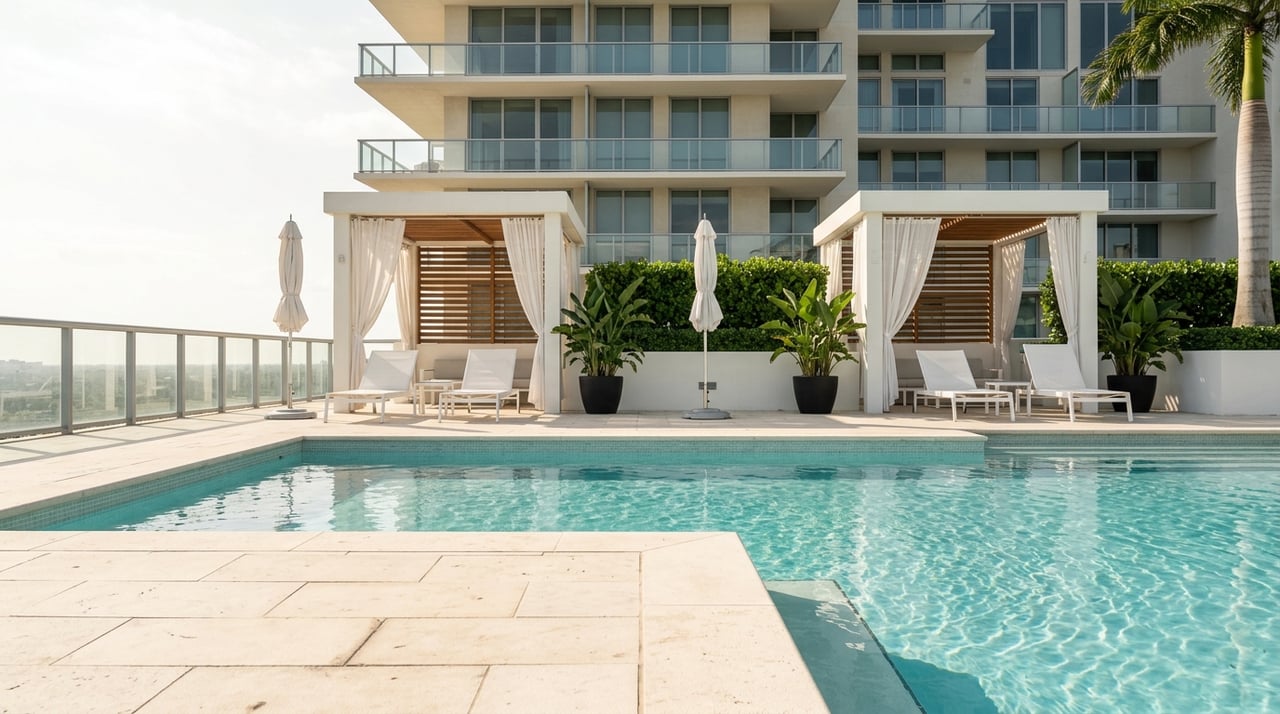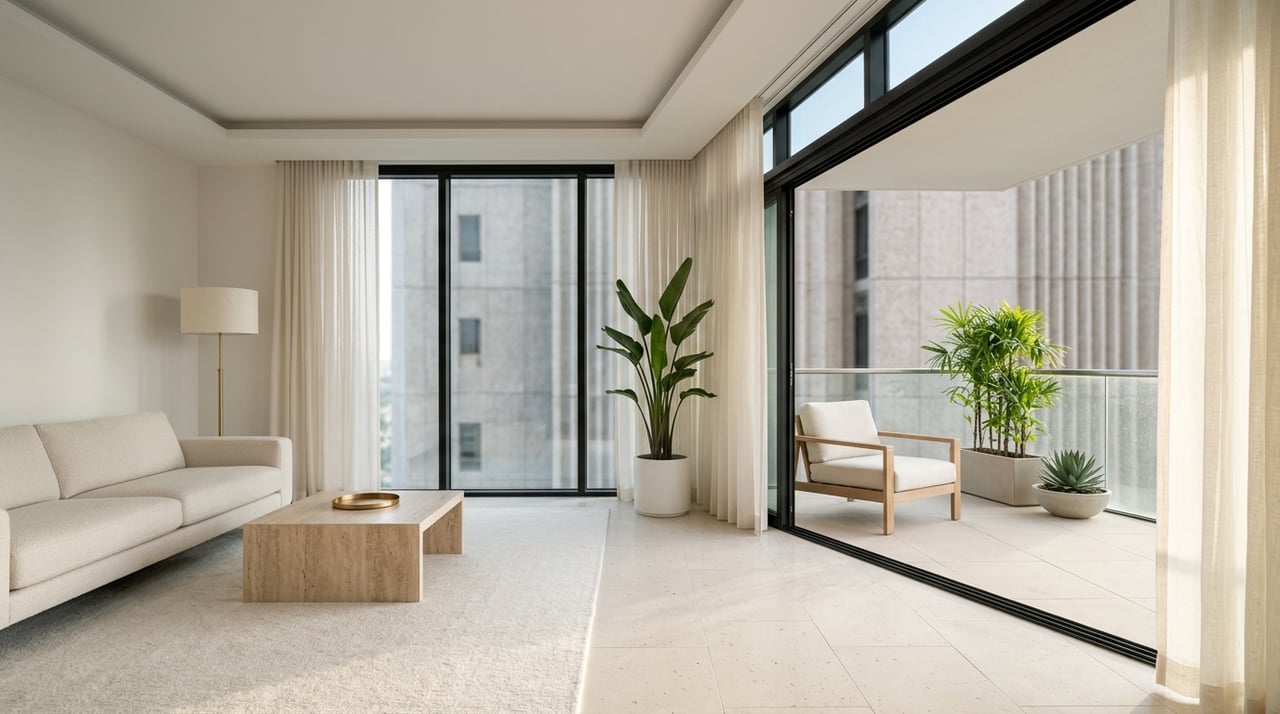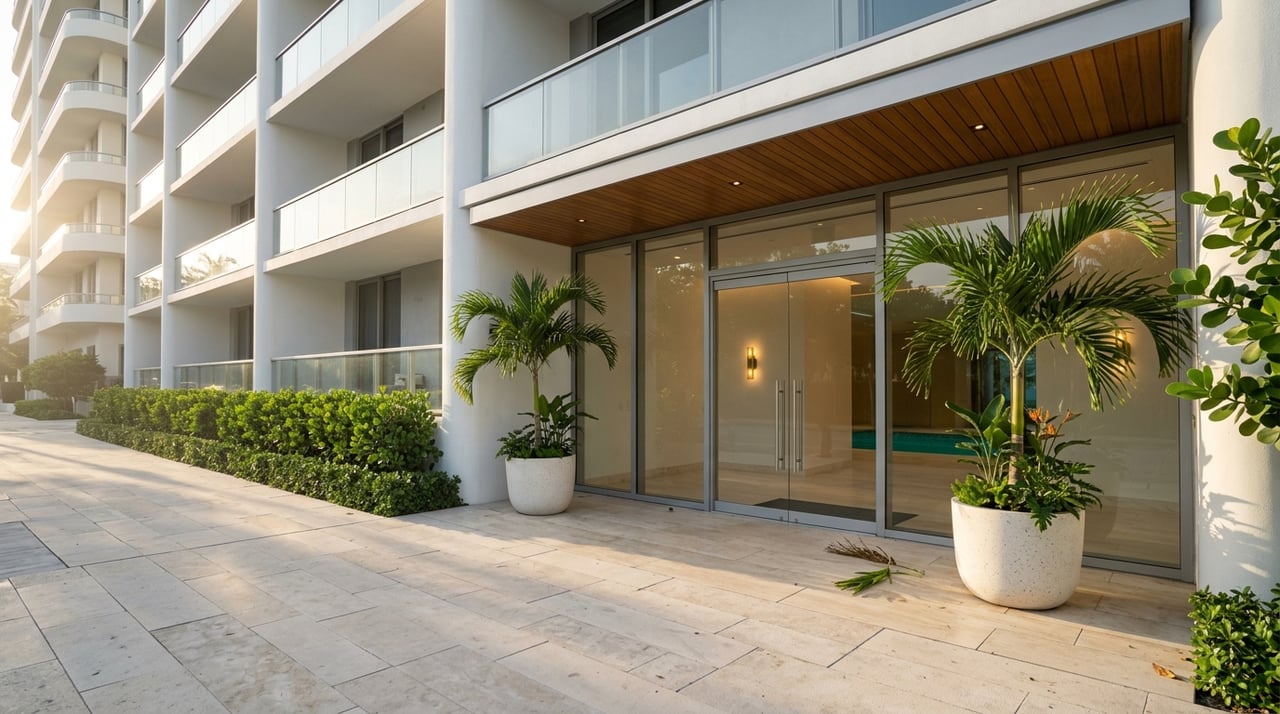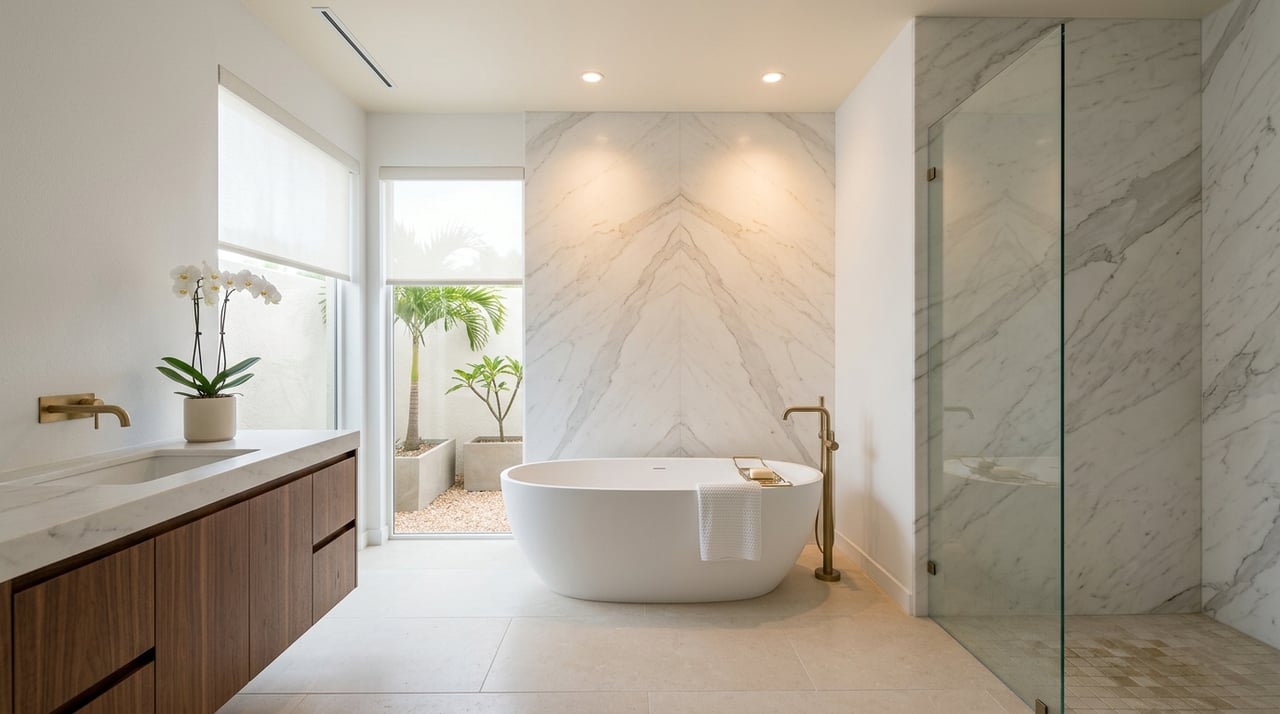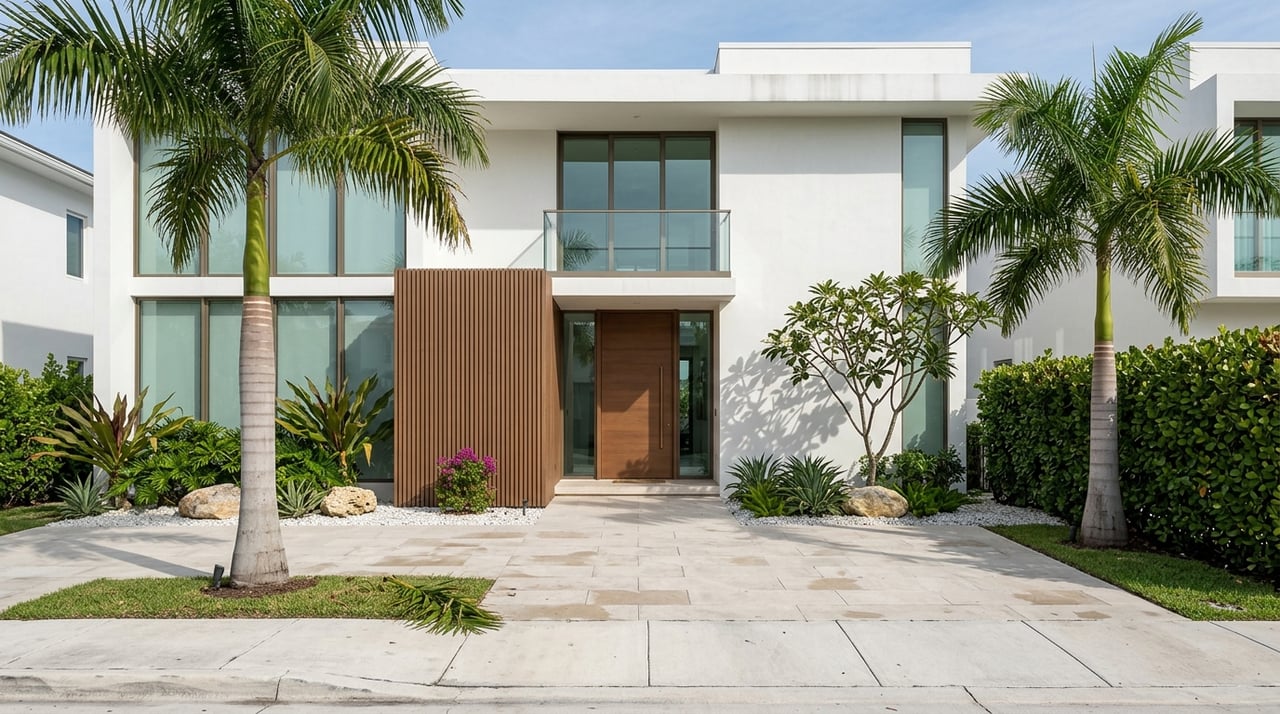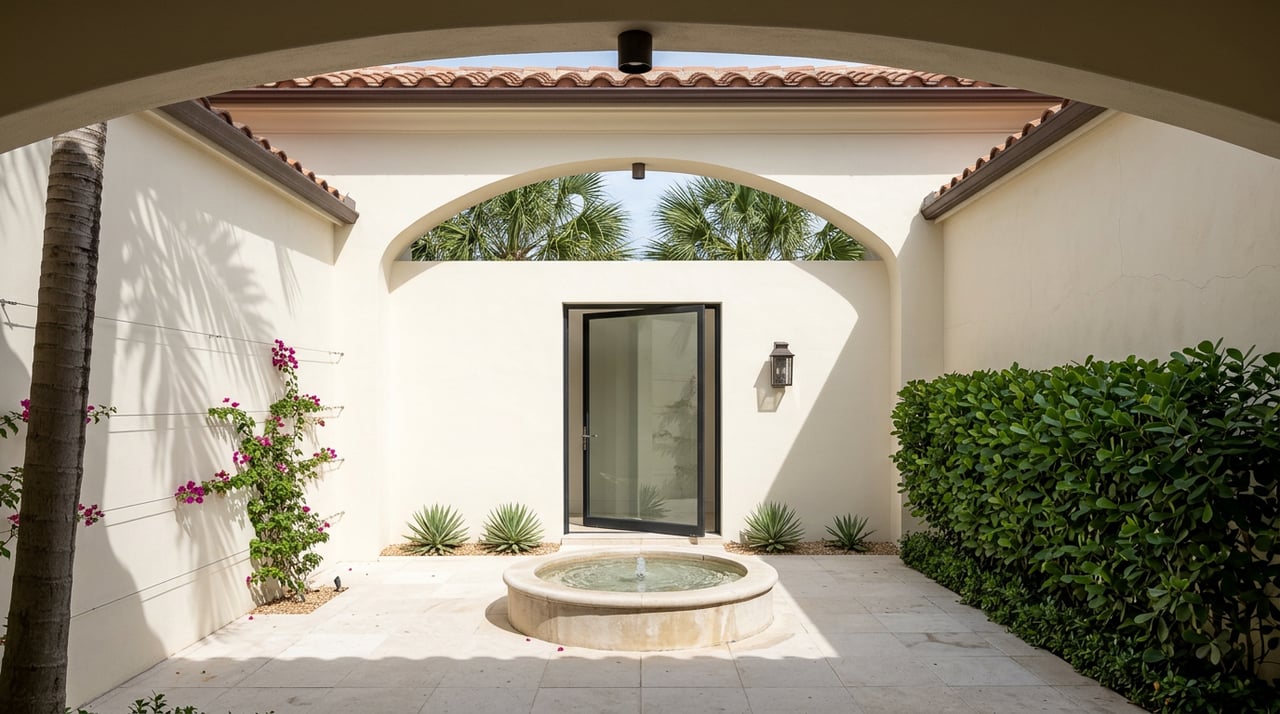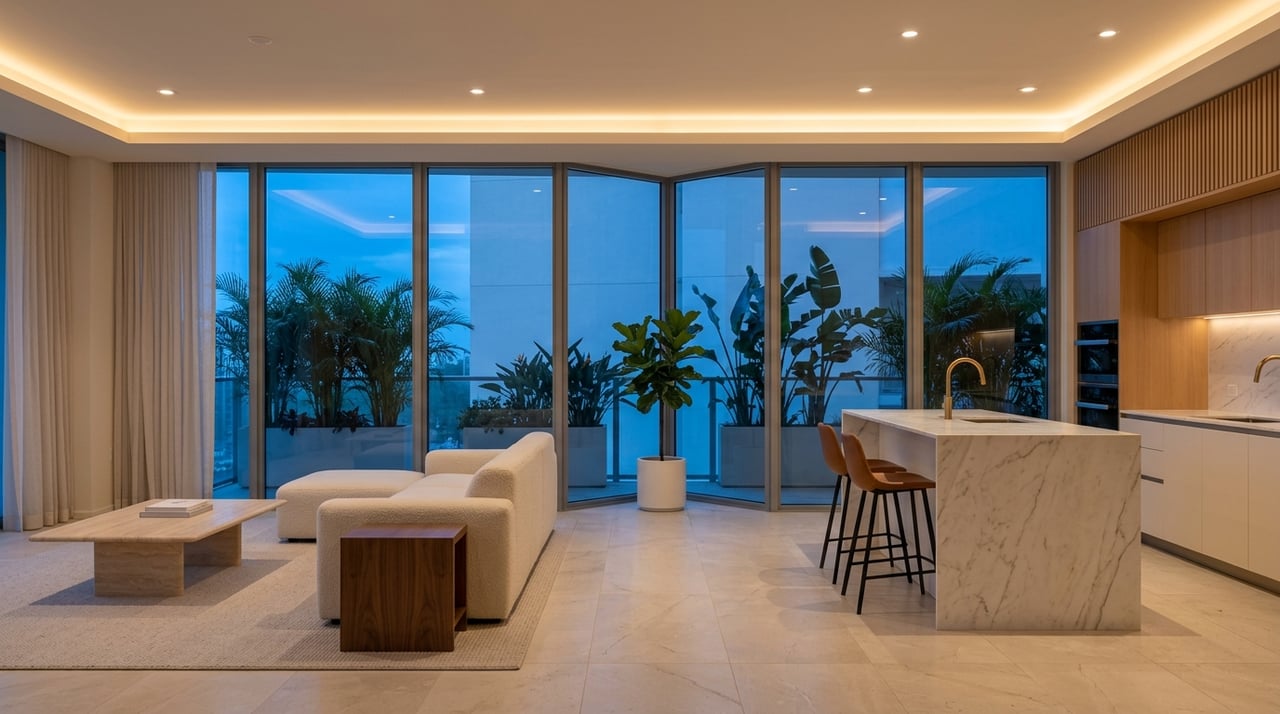
You do not buy in South of Fifth just for extra square footage. You buy for ease, access, and the feeling that your Miami base is ready when you are. If you are considering a pied-à-terre or second home here, you need more than a pretty view. You need to know how the neighborhood works, how condo buildings differ, and which details can shape your costs and future resale. Let’s dive in.
Why South of Fifth fits second-home buyers
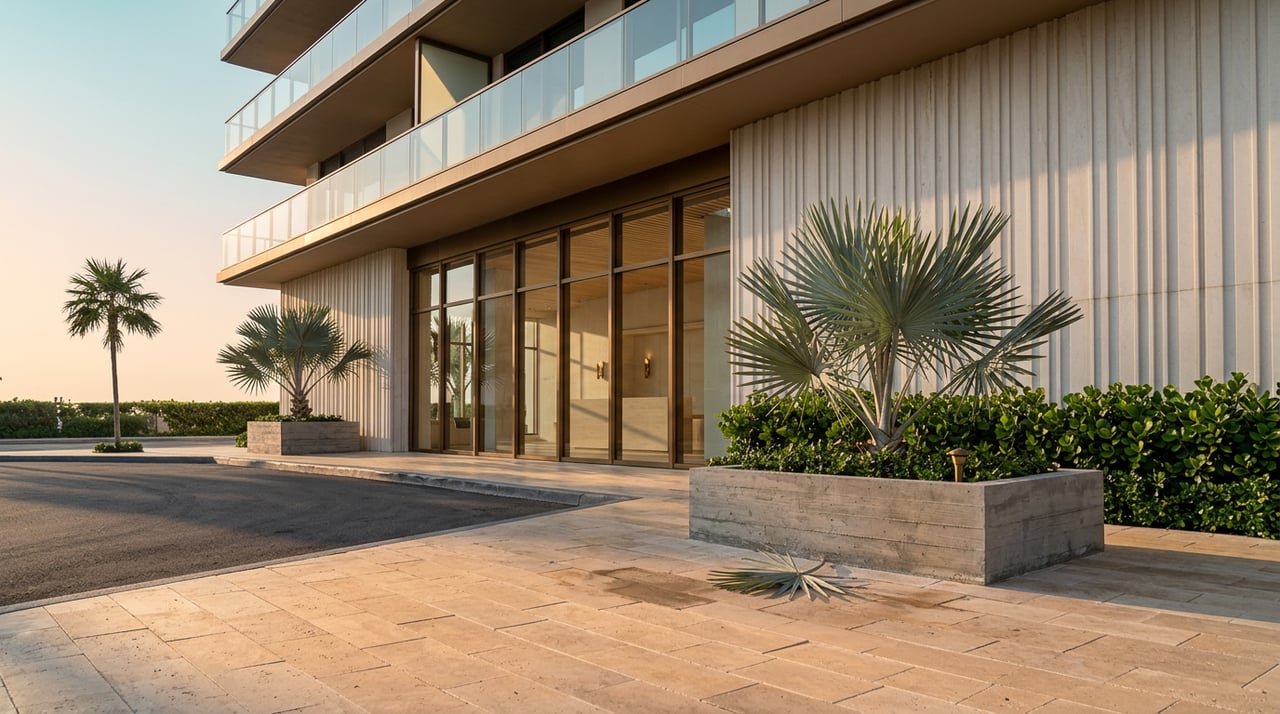
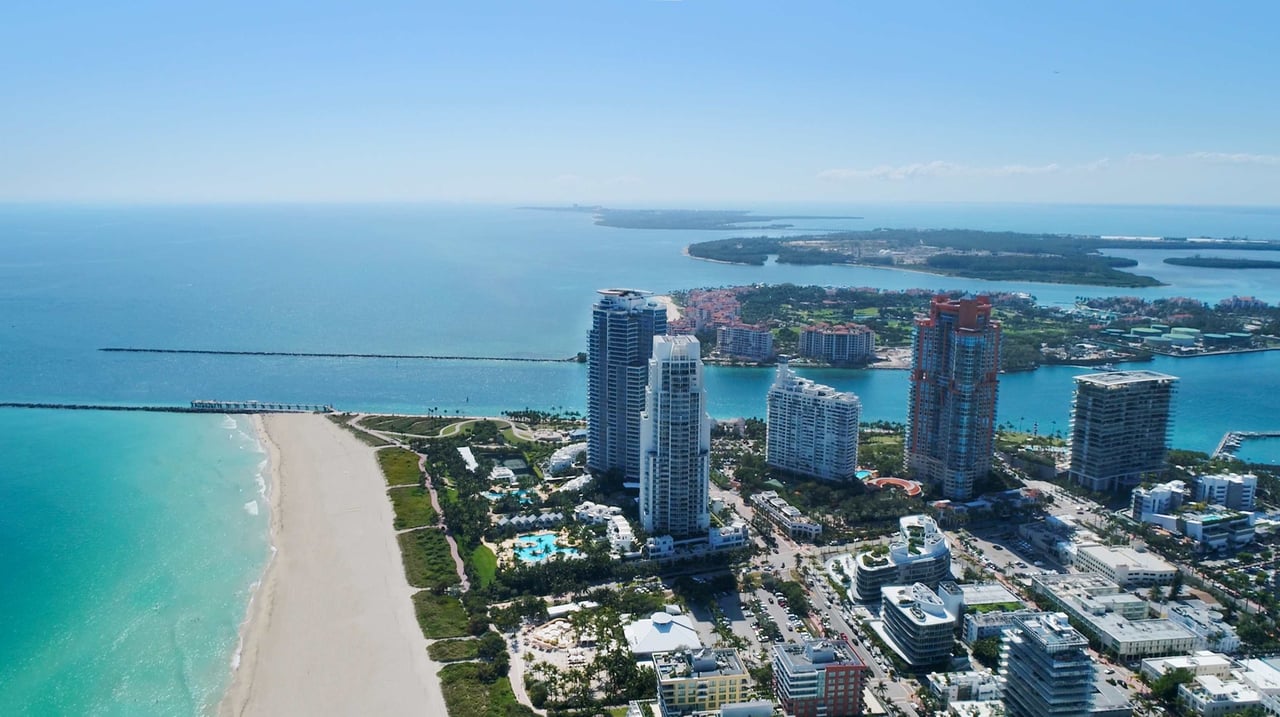
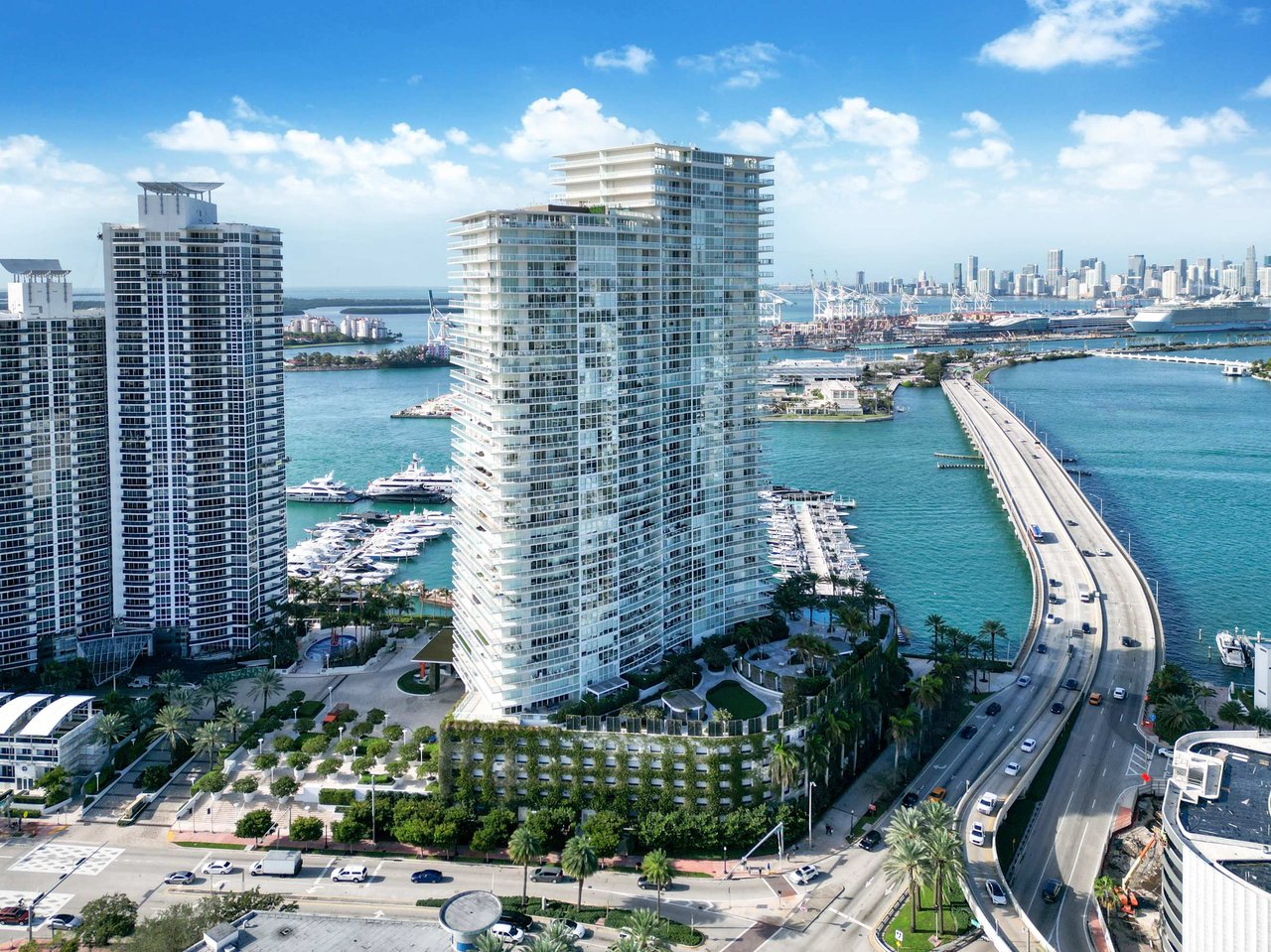
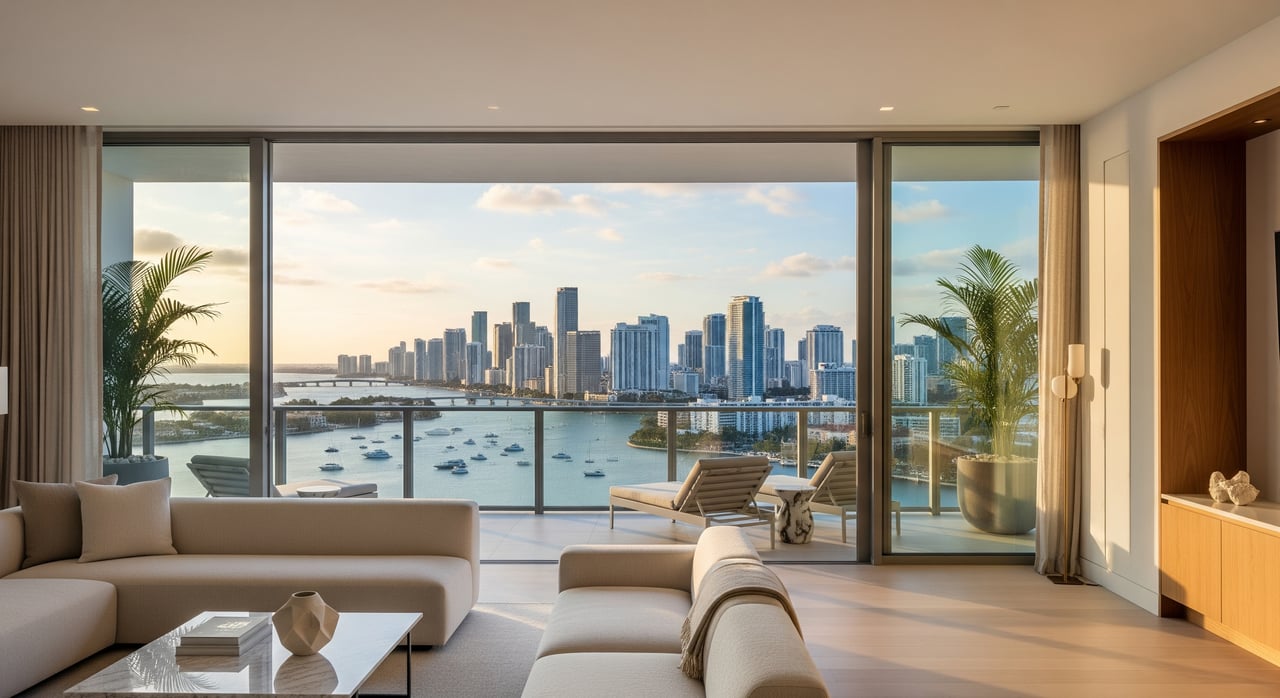
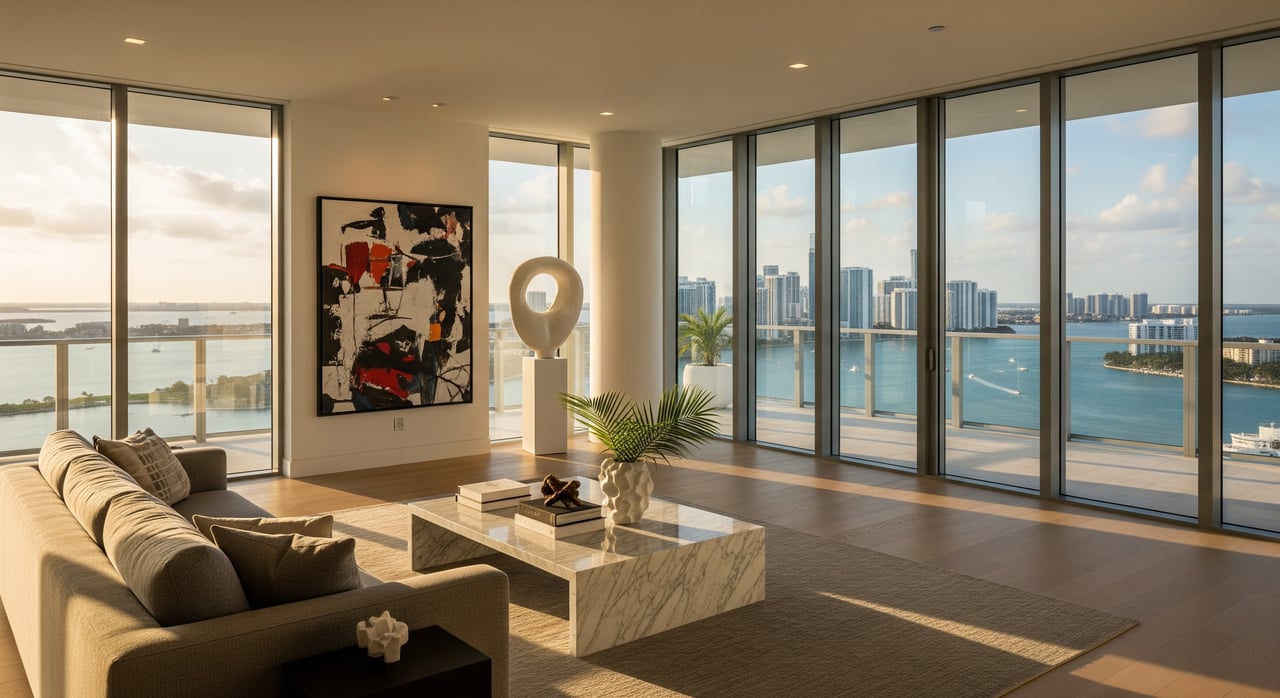
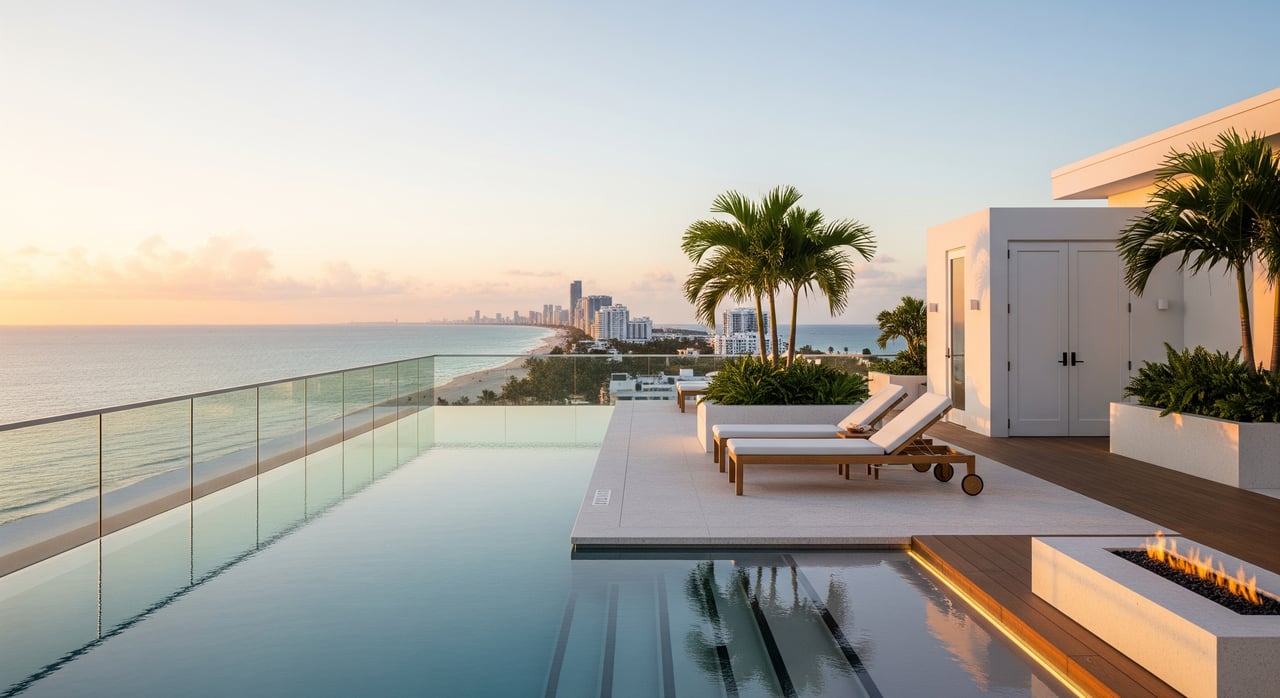
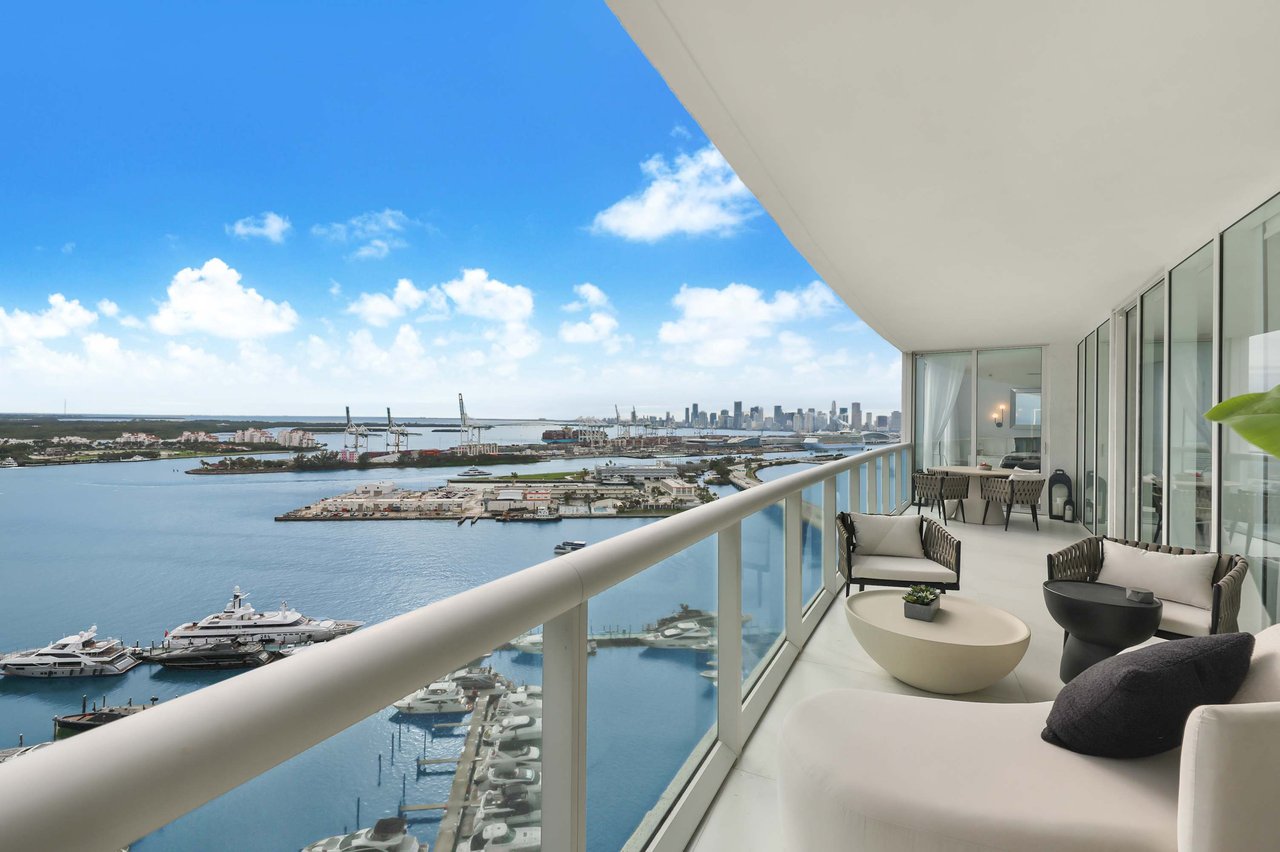
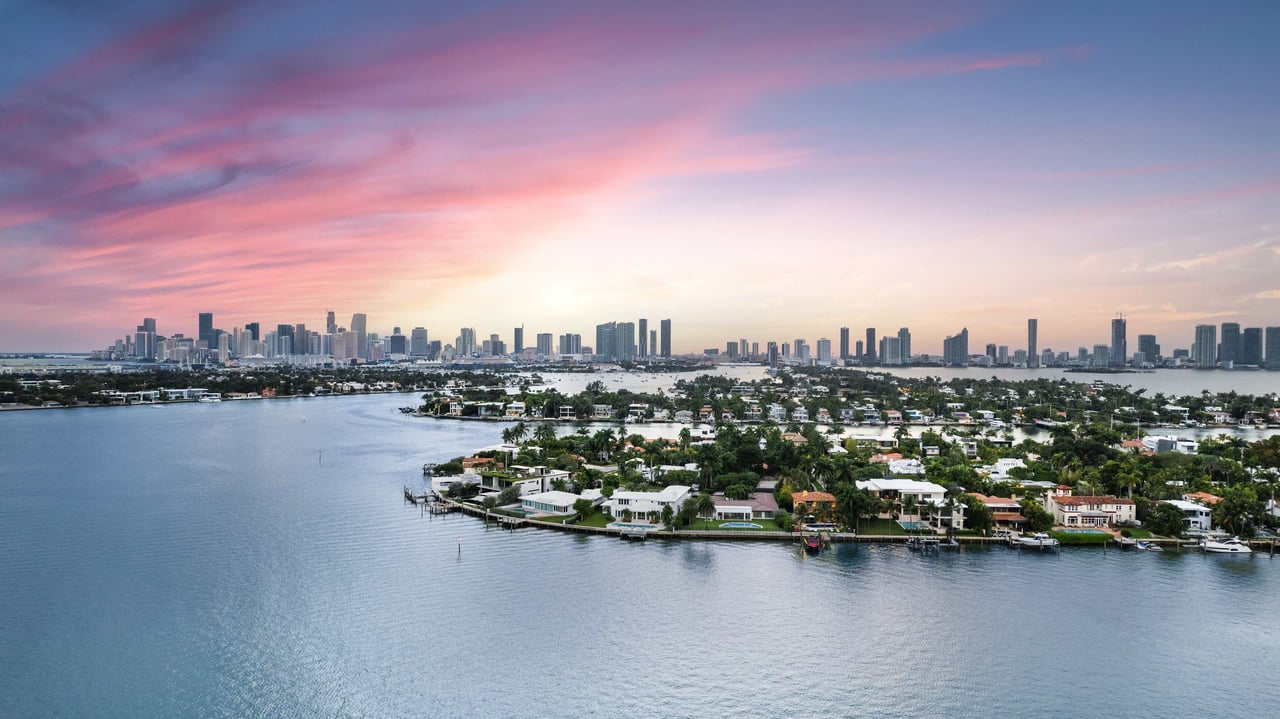
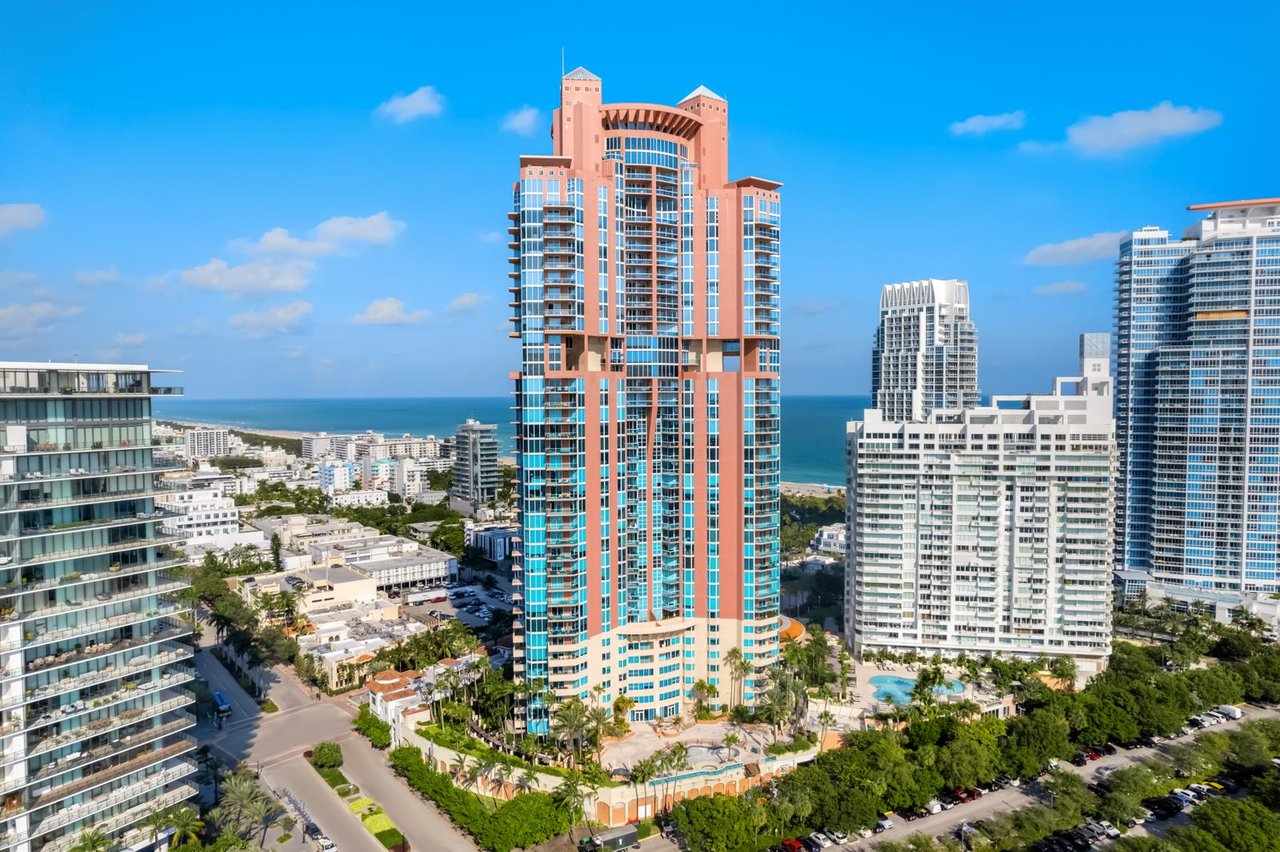
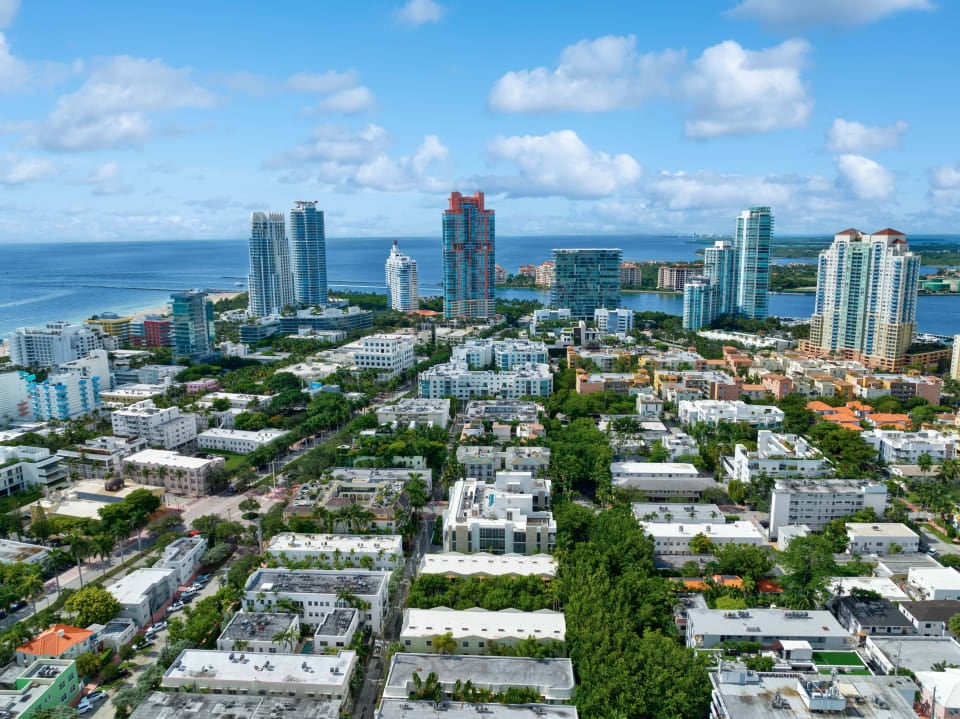
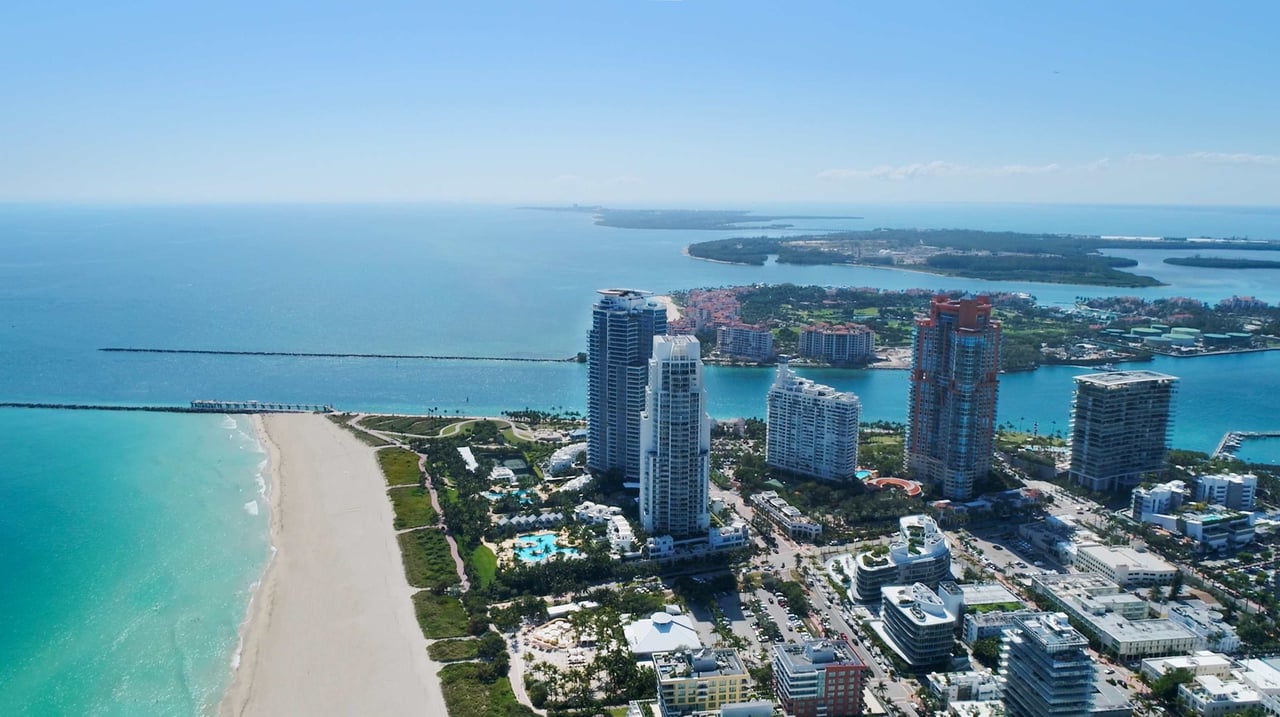
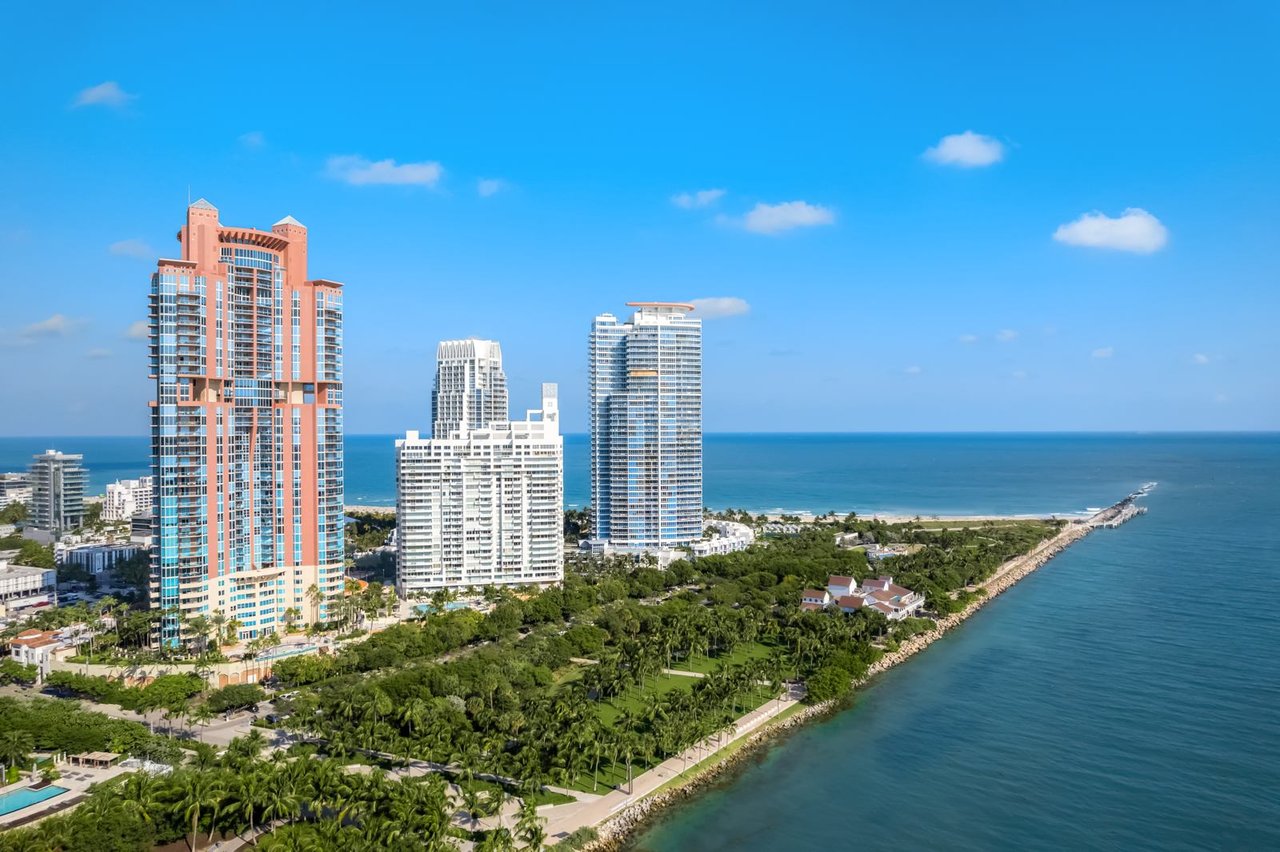
South of Fifth is the area south of Fifth Street, stretching from the Atlantic Ocean to Biscayne Bay and Government Cut. South Pointe Park helps define the neighborhood with beach access, paid parking, restrooms, seating, outdoor fitness, and playground space. For many part-time owners, that setup supports the kind of lock-and-leave lifestyle that makes a second home feel practical, not complicated.
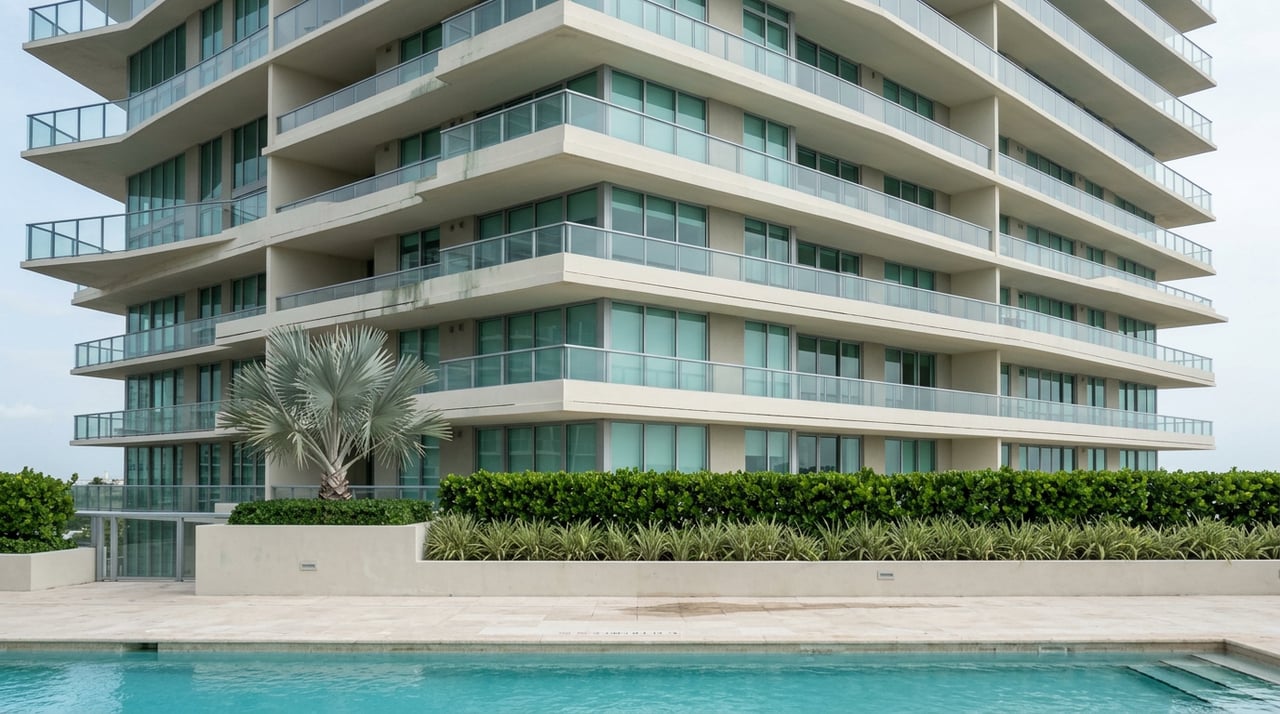
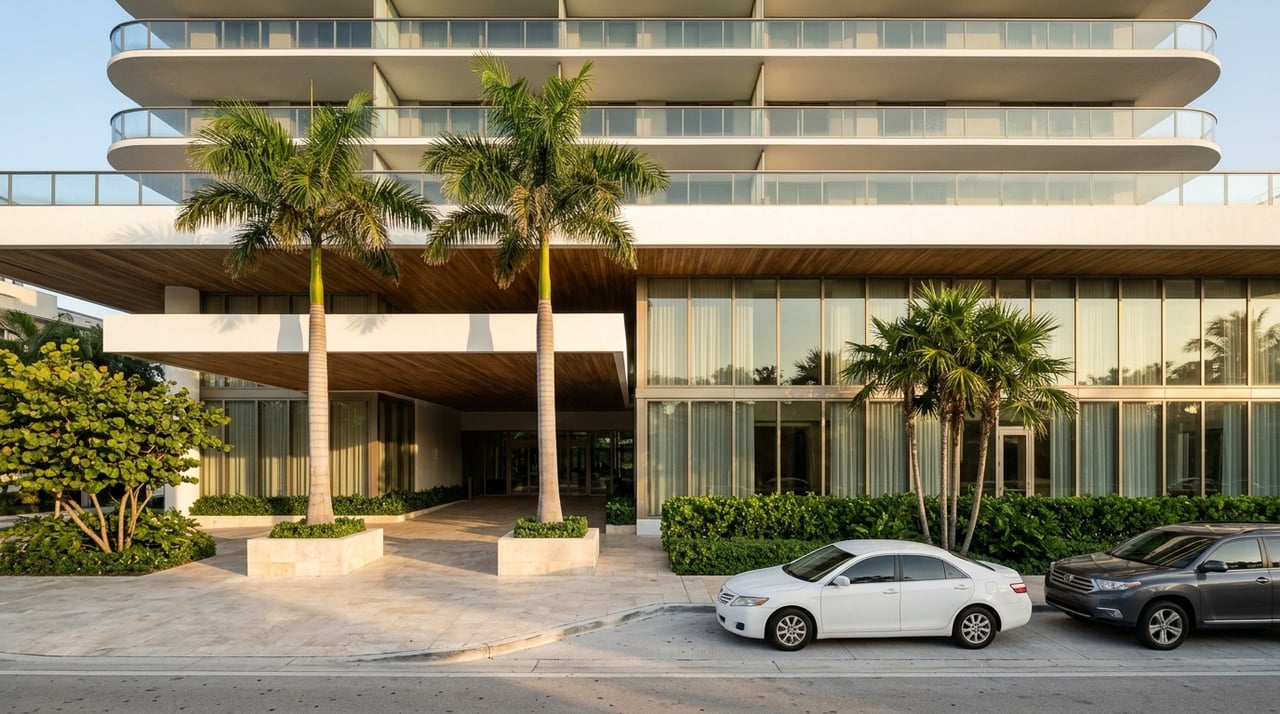
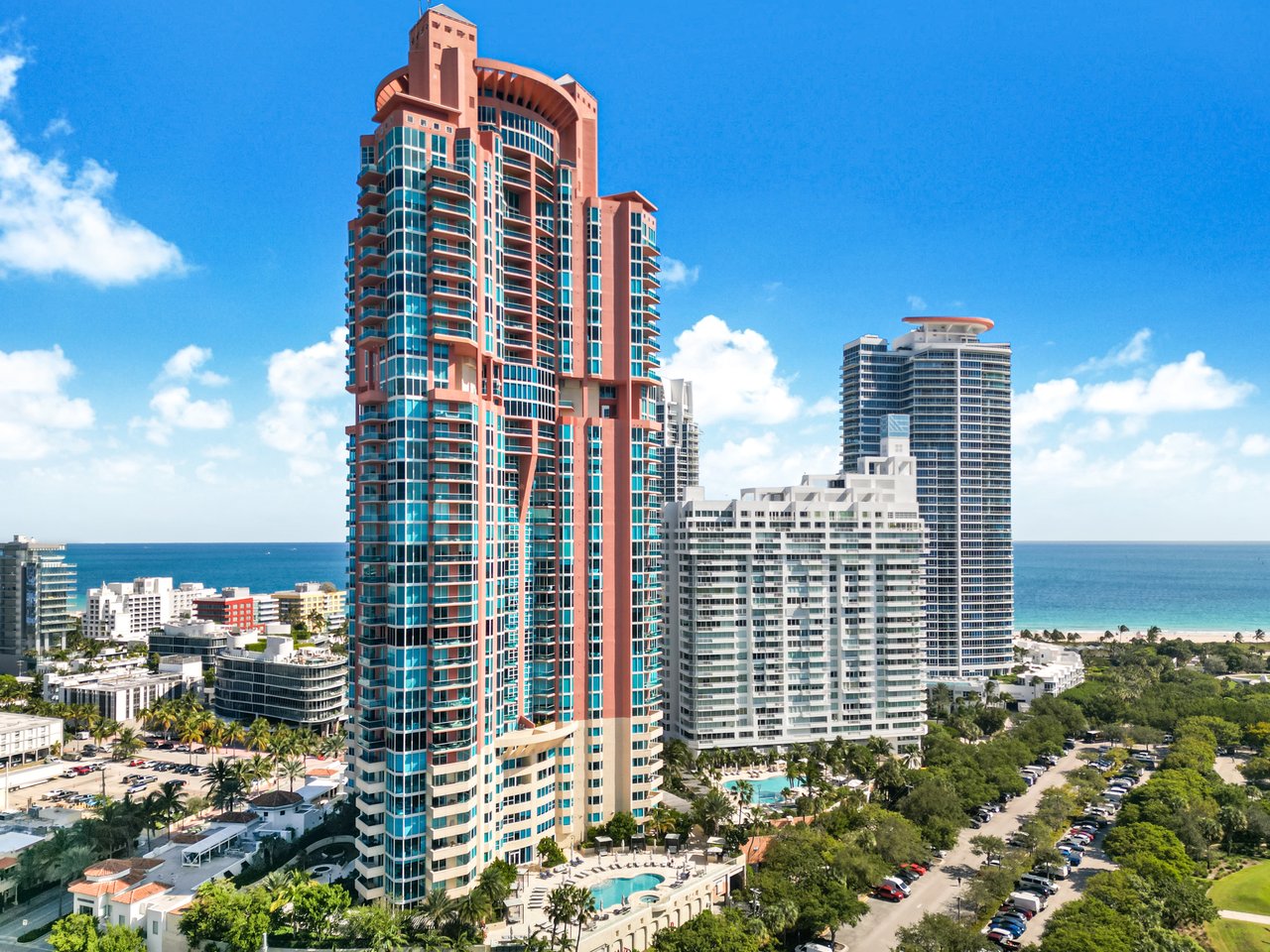
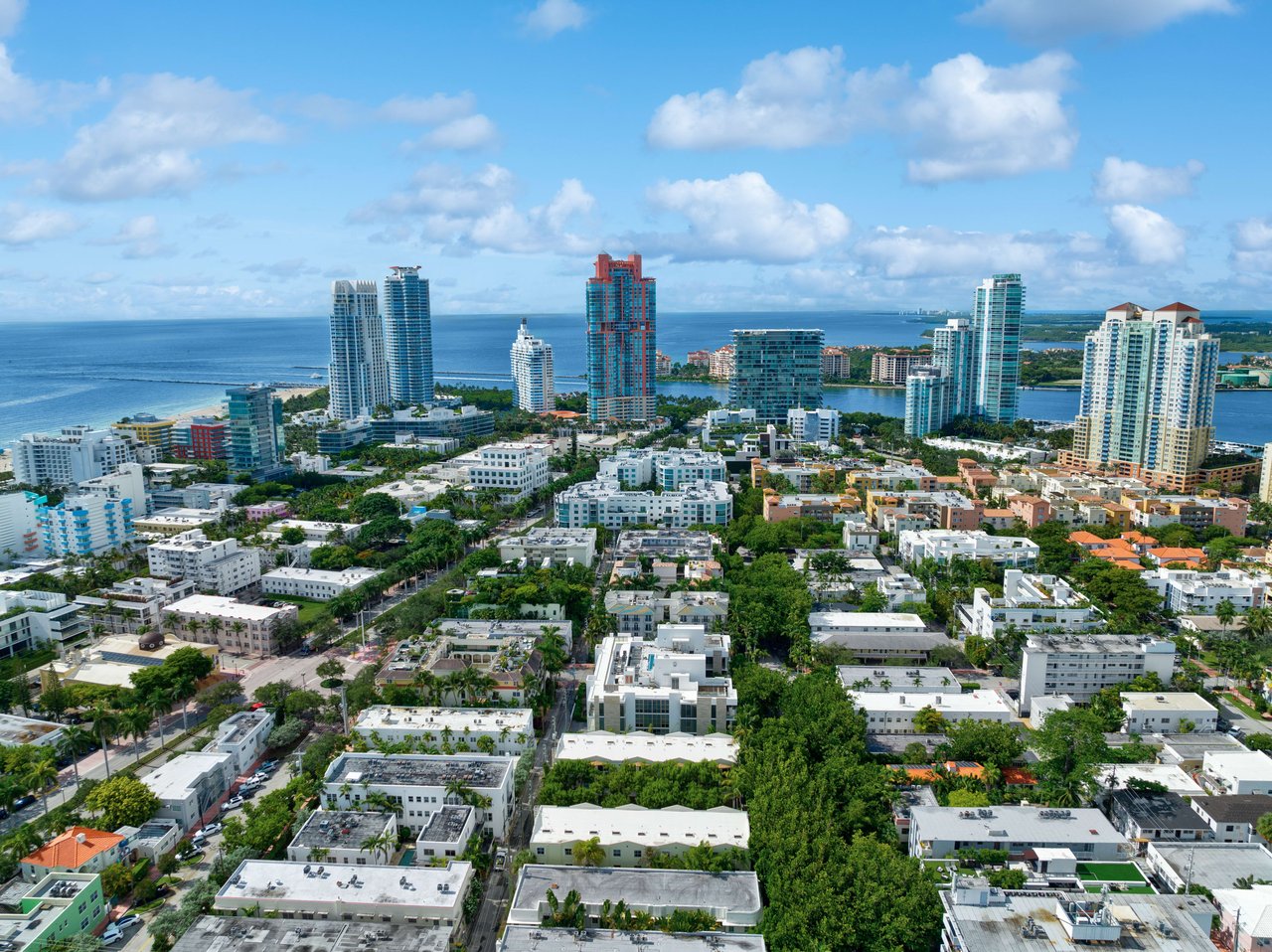
This is also a condo-first neighborhood. A city-hosted CBRE neighborhood analysis describes South of Fifth as an affluent South Beach submarket with several well-known luxury condominium towers. That matters because if you are shopping here, you are usually comparing buildings, services, reserves, and rules more than comparing single-family home options.
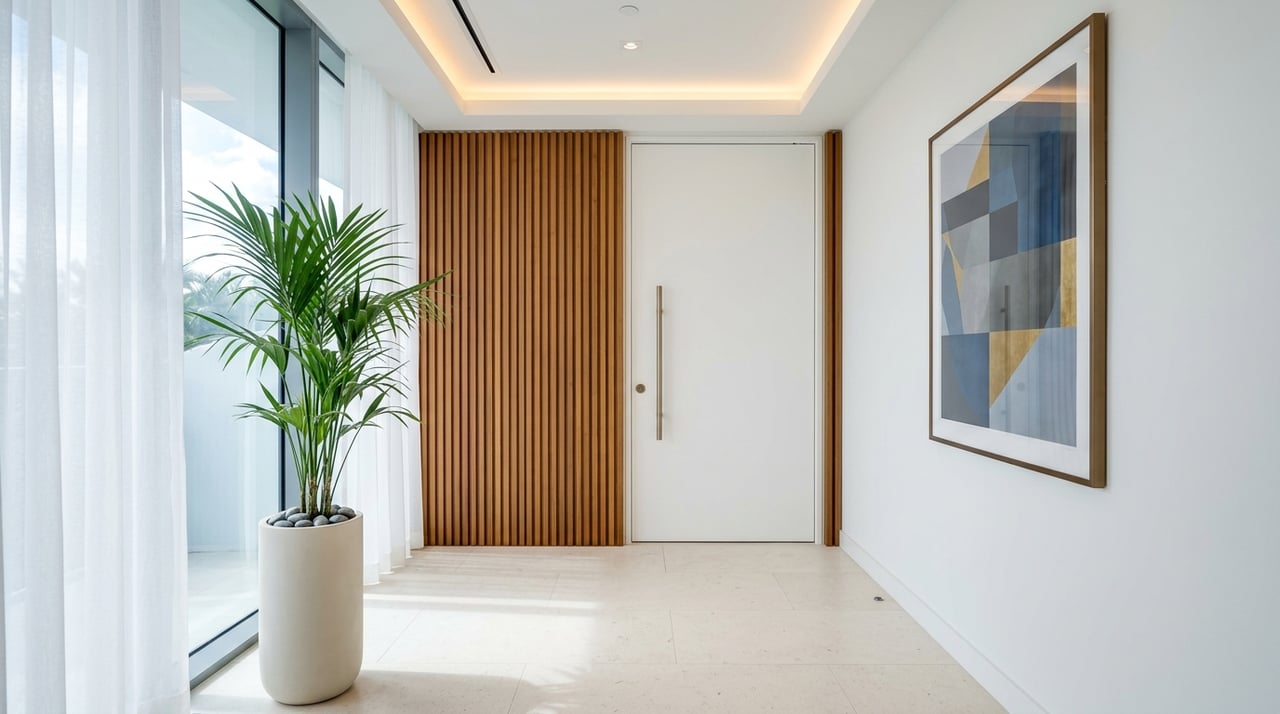
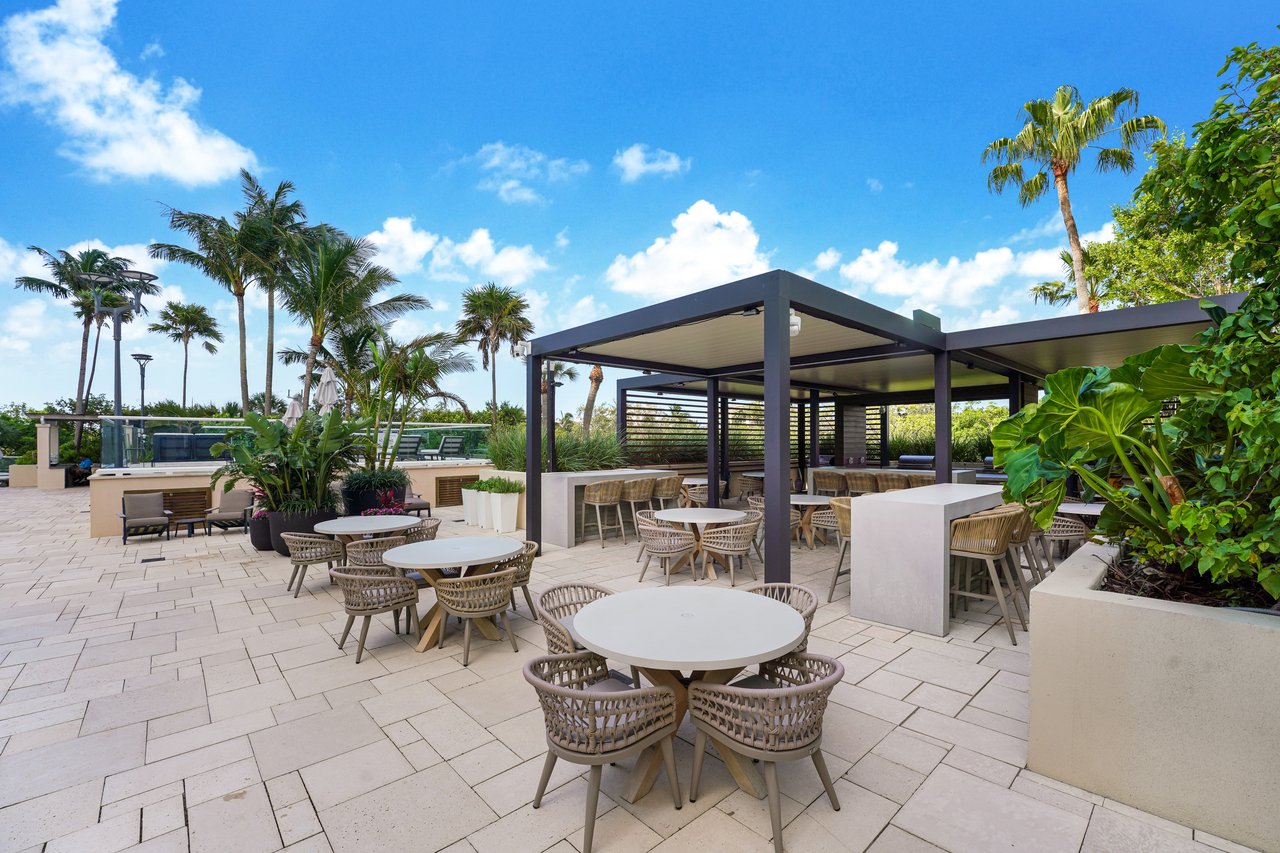
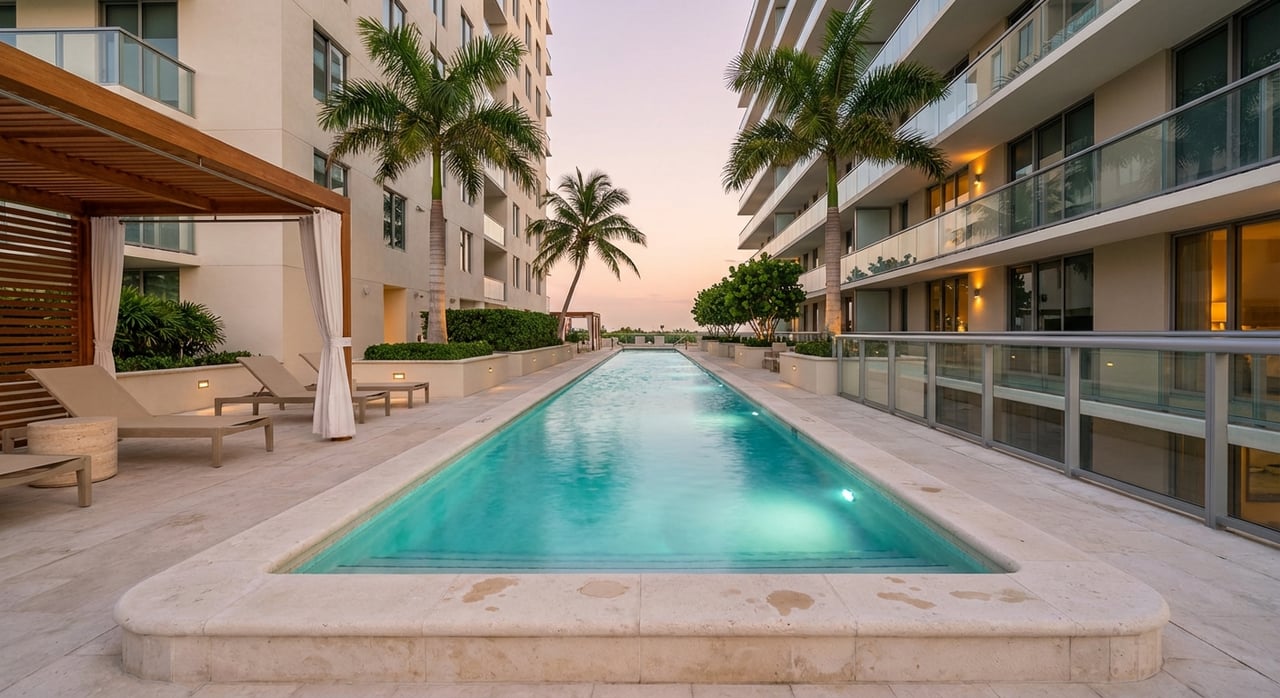
If your goal is convenience, South of Fifth has a lot going for it. Full-service condo living can simplify day-to-day ownership, especially when you are not in town year-round. The tradeoff is that the building itself becomes a major part of your buying decision.
What the market says now
Recent Q1 2026 brokerage reporting shows South of Fifth condo activity with an average sale price of $2,957,199 and a median sale price of $1,475,000. The same report notes 189 active listings and an 11.8-month absorption period. In plain terms, this is a high-end market with meaningful inventory and a more specialized resale pool.
That does not make South of Fifth a weak market. It means buyers tend to be selective, and building quality can matter just as much as location. If you plan to use your condo as a second home now and resell later, the strength of the building may shape your exit as much as your view line or floor plan.
The same reporting shows two-bedroom residences led Q1 2026 sales, with 48 closings and an average of 154 days on market. For many buyers, that supports a simple idea: efficient one- and two-bedroom layouts often reach the broadest end-user audience. If resale flexibility matters to you, that is worth keeping in mind.
Why building rules matter so much
For a pied-à-terre in South of Fifth, building policy can be just as important as city code. Miami Beach defines vacation and short-term rentals as stays of less than six months and one day. The city states that these rentals are prohibited in all single-family homes and in many multifamily buildings in certain zoning districts unless the property meets the legal requirements.
If short-term rental is allowed for a specific unit, the city requires zoning approval, a Business Tax Receipt, and a Resort Tax account. Listings and ads must display the city-issued BTR and Resort Tax numbers. The city also requires a letter from the condo association confirming that short-term rental is allowed for that unit.
This is why you should not assume a condo can offset costs through flexible renting. In South of Fifth, rental use depends on both the city and the association. Before you buy, it is smart to confirm the exact leasing rules for the building and the specific unit you are considering.
Homestead and second-home reality
If you are buying a true second home, it generally will not qualify for homestead treatment. Miami-Dade says homestead requires permanent residence on the property as of January 1. That is an important distinction for part-time owners who may be comparing carrying costs across neighborhoods or ownership strategies.
Miami Beach also requires written notice that short-term rental use could result in loss of homestead exemption. Even if you are not pursuing homestead status, this is a reminder that occupancy and tax treatment are closely tied to how you actually use the property. For second-home buyers, clarity upfront is much better than surprises later.
How to vet a condo before closing
In South of Fifth, the condo is not just the home. It is also the operating system behind your ownership experience. Florida's DBPR says many official condo records must be available on the association website or app within 30 days, including budgets, meeting notices, inspection reports, and the latest structural integrity reserve study, or SIRS.
That gives you a practical way to evaluate a building before closing. Instead of relying on marketing language alone, you can review the records that speak to day-to-day management and long-term financial posture. For a second-home buyer, this is especially useful because you may not be around full-time to monitor building issues after purchase.
Here are a few building-level items worth reviewing closely:
- Current budget and reserve funding
- Latest milestone inspection status, if applicable
- Latest SIRS report
- Recent meeting notices and minutes
- House rules and lease restrictions
- Any discussion of special assessments or major repairs
Inspections and reserve studies to understand
Florida law requires milestone inspections for buildings three habitable stories or higher by the year the building reaches 30 years of age and every 10 years after that. Residential condo associations for buildings three habitable stories or higher must also complete a SIRS at least every 10 years. These rules cover major elements like the roof, structure, fireproofing and fire protection systems, plumbing, electrical systems, waterproofing and exterior painting, and windows and exterior doors.
DBPR says SIRS is both a safety and budgeting tool. It also notes that unit-owner-controlled associations existing on or before July 1, 2022 had a December 31, 2025 deadline, while associations required to complete a milestone inspection by December 31, 2026 may complete SIRS at the same time, but not later than that date. The law also limits reserve waivers for SIRS items.
For you as a buyer, the takeaway is straightforward. Monthly dues are only part of the story. Reserve funding, repair planning, and assessment risk can all affect your real ownership cost.
Insurance questions second-home buyers should ask
Do not assume the association's master policy covers everything inside your condo. The Florida CFO says a condo unit-owner HO-6 policy covers personal property, certain interior items not insured by the association's master policy, and liability. The same guide says associations may assess owners for damage to commonly owned areas that are not covered or not fully funded.
The guide also says an HO-6 policy must include at least $2,000 of loss-assessment coverage. If you plan to furnish the unit well and leave it unattended for stretches of time, contents coverage deserves special attention. A durable, well-documented inventory can make a real difference if you ever need to file a claim.
It helps to think about insurance in layers:
- Association master policy for common areas and certain building components
- Your HO-6 policy for personal property, some interior items, and liability
- Loss-assessment coverage for certain association assessments
- Flood awareness, since standard homeowners coverage typically does not include flood
Hurricane and coastal planning
Because South of Fifth is coastal, wind and flood planning should be part of your buying process. The Florida CFO says new or additional coverage cannot be obtained once a hurricane watch or warning has been issued anywhere in Florida. That means waiting until storm season is active can limit your options.
There is also an association-level resilience angle. My Safe Florida Condo offers eligible associations within 15 miles of the coast a free mitigation inspection and a 2-to-1 grant match up to $175,000 per association for wind-mitigation upgrades. For a buyer, that is useful context because it shows some buildings may be taking active steps to improve storm readiness over time.
If you are comparing buildings, ask practical questions. Has the association completed recent mitigation work? Are there current inspection reports available? How strong is the reserve posture for future capital needs? In a coastal condo market, those details can shape both comfort and resale appeal.
Resale starts on day one
Even if you are buying for personal use, resale should stay in the conversation. Fannie Mae says condo projects may be ineligible if they have critical repairs, inadequate insurance, pending significant litigation, or hotel or motel or daily short-term rental characteristics. It also says the top current reasons projects are ineligible are insufficient master property insurance and critical-repair issues, including failure to meet state or local inspection requirements.
That matters in South of Fifth because financing eligibility can influence your future buyer pool. A beautiful unit in a troubled building may face more resistance when it is time to sell. On the other hand, a well-run building with sound compliance, insurance, and reserves can support stronger resale credibility.
This is one reason many buyers prioritize reputable buildings and practical floor plans over novelty alone. In a specialized luxury market, a condo that works well for today and reads well on paper tomorrow often holds broader appeal.
Who South of Fifth suits best
South of Fifth can be an excellent fit if you want a polished Miami base in a full-service coastal condo setting. It tends to work well for buyers who value convenience, amenities, and a neighborhood that feels established and easy to enjoy on short visits. It may be less ideal if your top priority is flexible short-term rental use.
In other words, this is often a lifestyle-first purchase with a strong practical side. The best outcomes usually come when you match your ownership goals to the right building, the right rules, and the right long-term carrying profile. That is where focused local guidance can save you time and help you avoid costly assumptions.
If you are weighing South of Fifth as a pied-à-terre or second home, working with a neighborhood specialist can help you compare buildings beyond the surface, verify the details that matter, and choose with more confidence. To book a private consultation, connect with Adrian Burke.
FAQs
Is South of Fifth a good place for a pied-à-terre in Miami Beach?
- Yes. South of Fifth is often a strong pied-à-terre choice for buyers who want a coastal, lock-and-leave condo lifestyle with easy access to park, beach, and full-service building amenities.
Can you short-term rent a second home in South of Fifth?
- Maybe, but you should never assume so. Miami Beach defines short-term rentals as stays of less than six months and one day, and legal use depends on city requirements plus the condo association allowing that use for the specific unit.
Does a second home in South of Fifth qualify for homestead exemption?
- Generally no. Miami-Dade says homestead requires permanent residence on the property as of January 1, so a true second home usually will not qualify.
What condo documents should you review before buying in South of Fifth?
- Review the association budget, reserve information, inspection reports, meeting notices, house rules, lease restrictions, and the latest SIRS if the building is required to have one.
Why do milestone inspections and SIRS matter for South of Fifth condos?
- They matter because they affect safety, budgeting, reserve funding, and the risk of future special assessments, all of which can shape your ownership costs and resale prospects.
What insurance should a South of Fifth second-home owner consider?
- In addition to the association's master policy, you should look at an HO-6 policy for personal property, certain interior items, liability, and required loss-assessment coverage, while also remembering that flood is not typically covered by standard homeowners insurance.
How does building quality affect resale in South of Fifth?
- Building quality can have a major impact. Compliance, insurance, repair status, and financing eligibility can all influence how attractive your condo may be to future buyers.