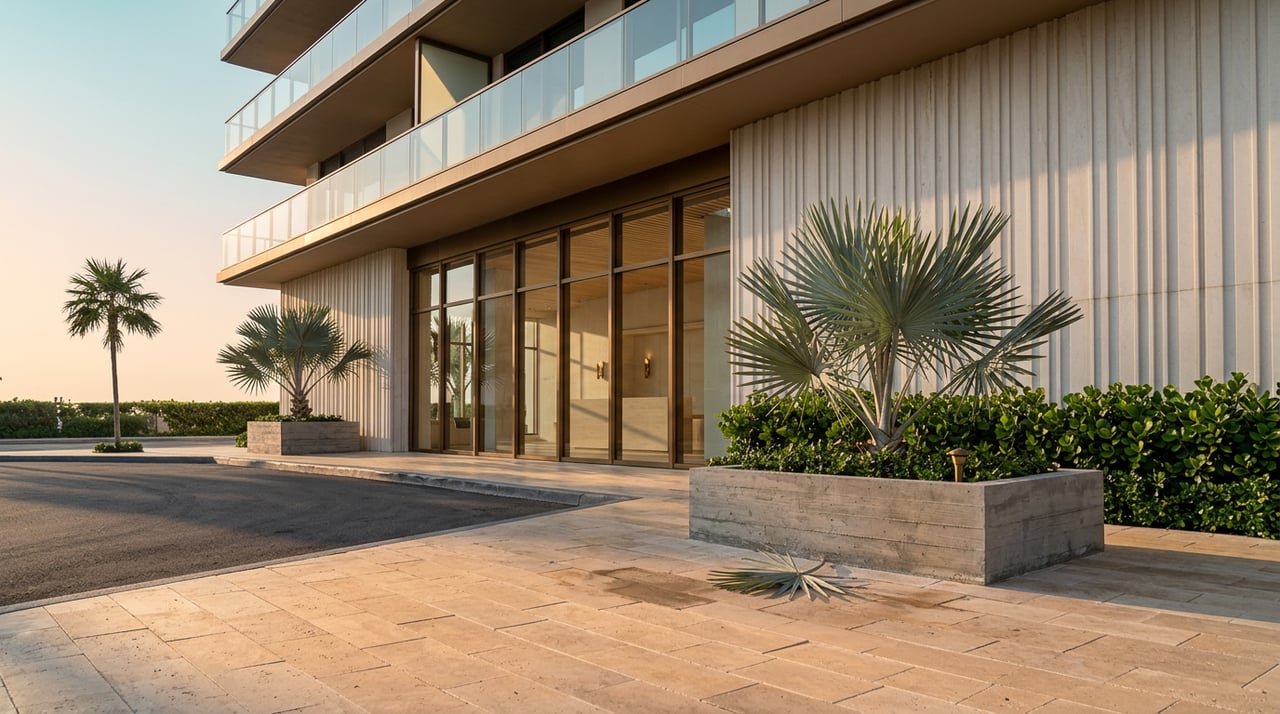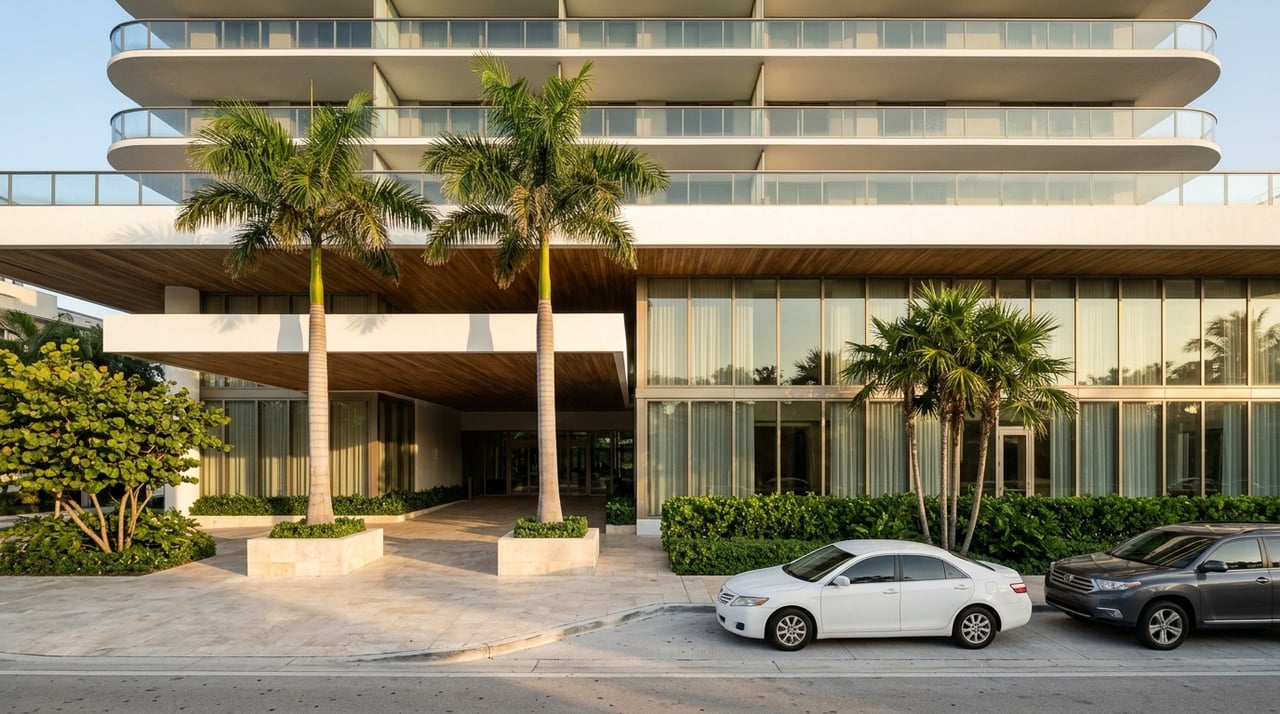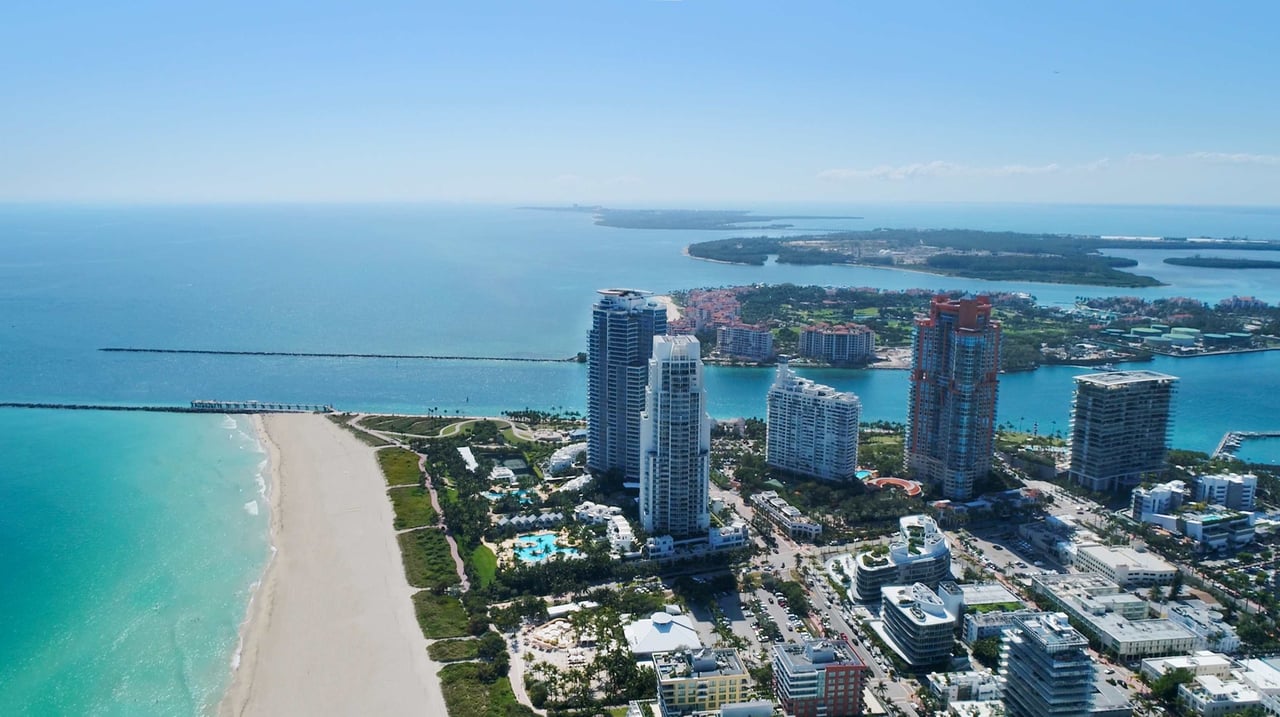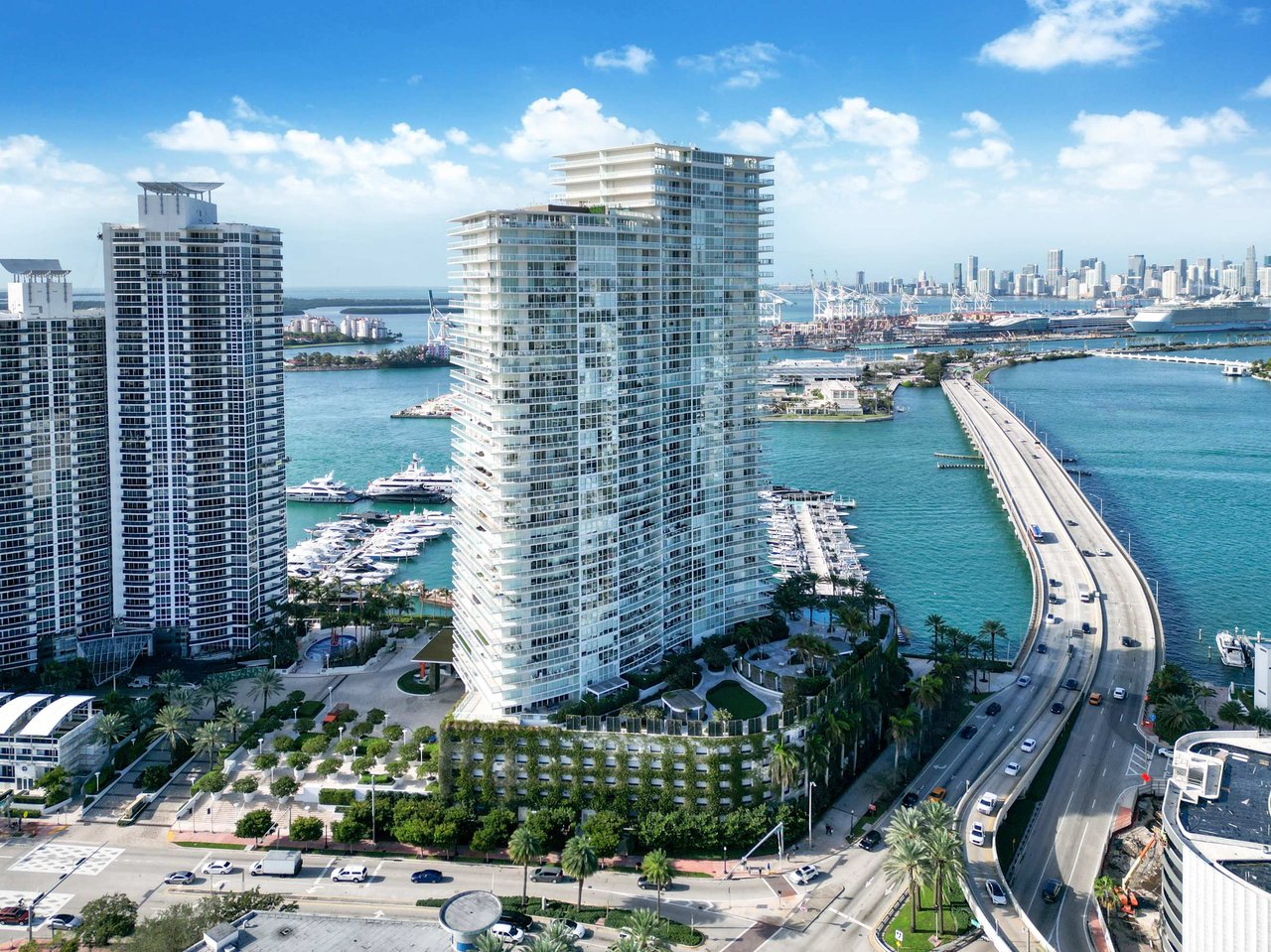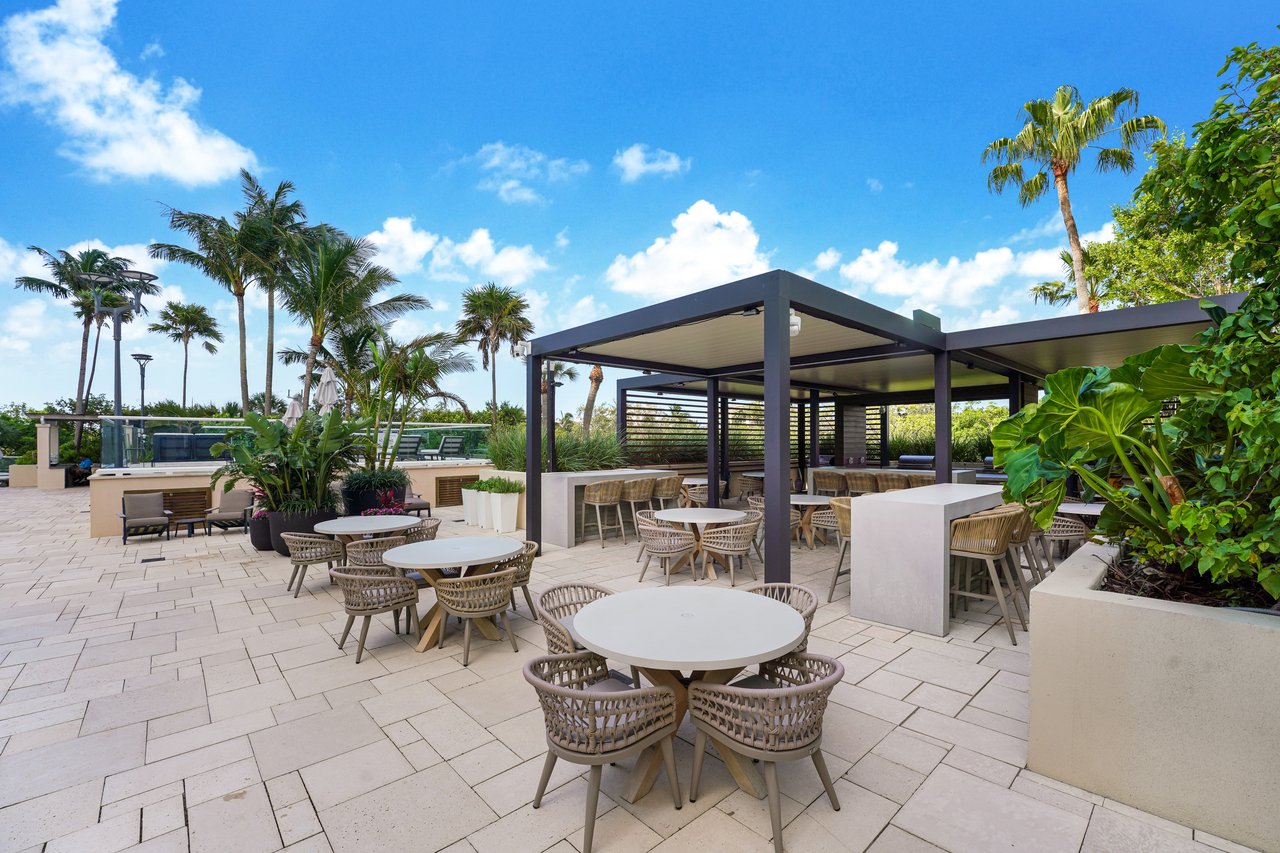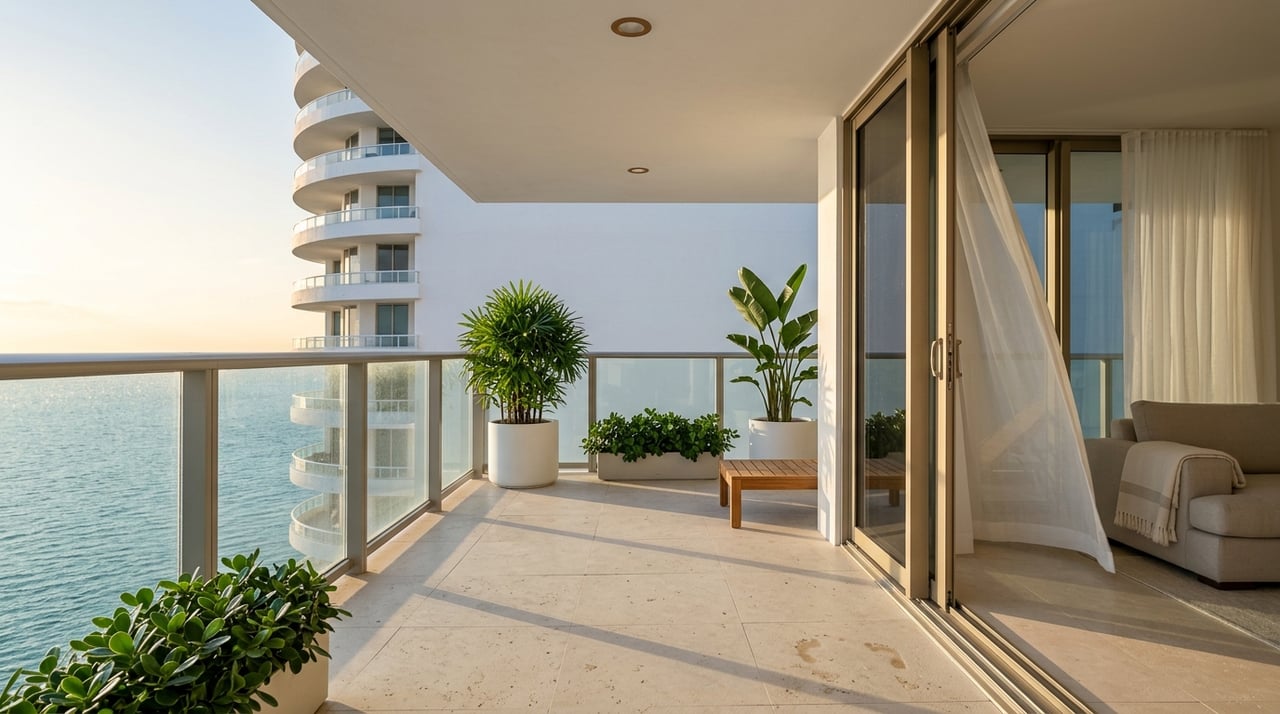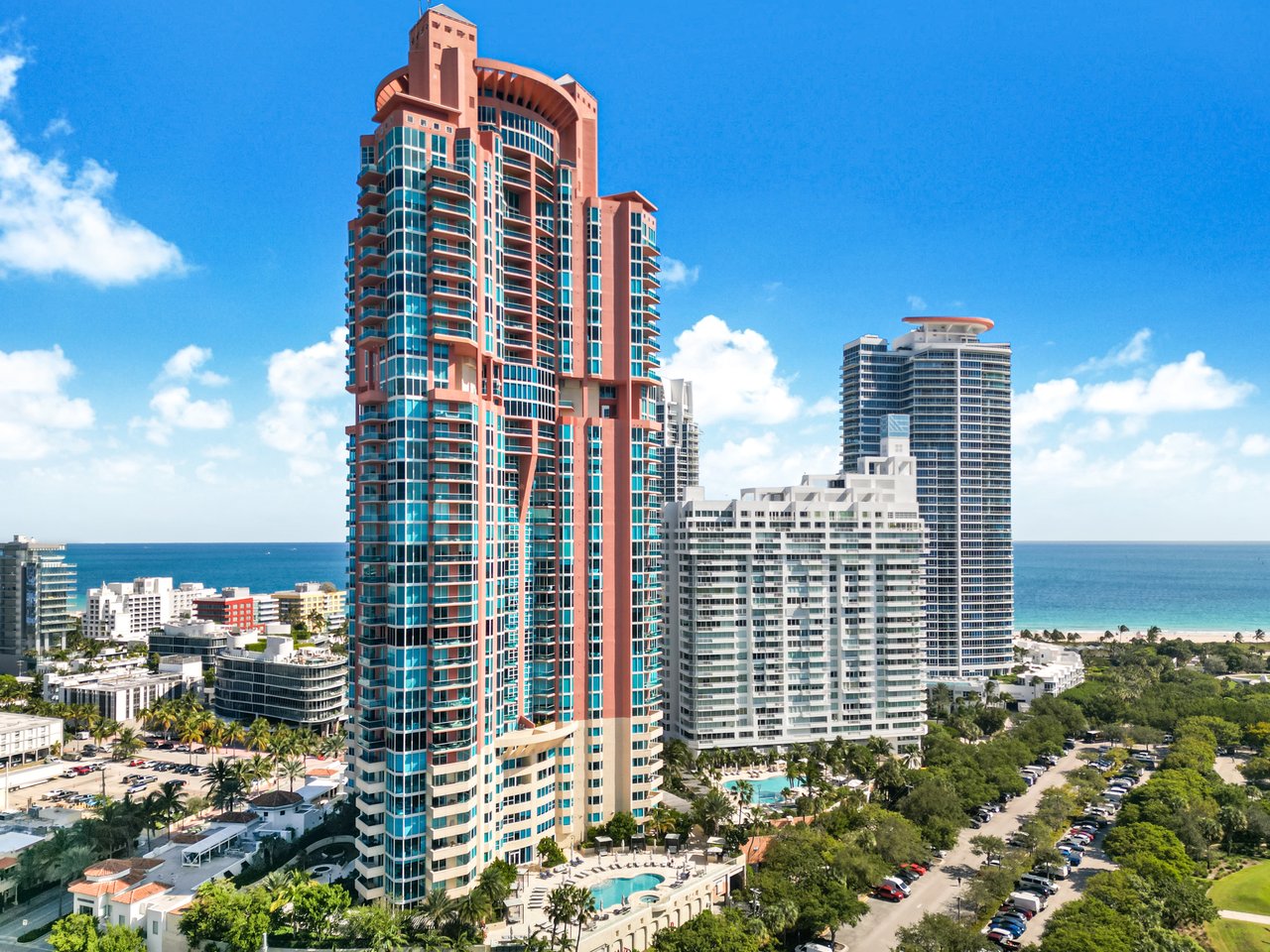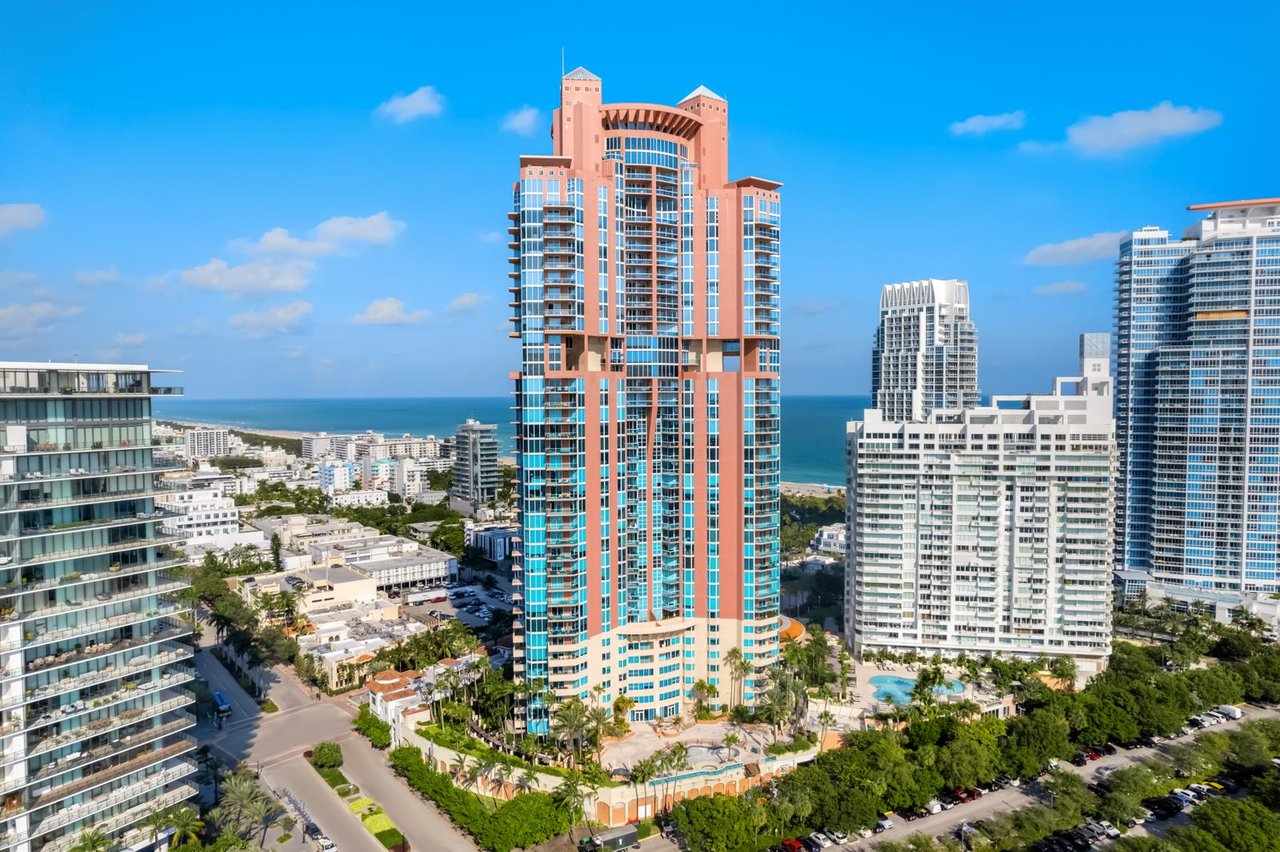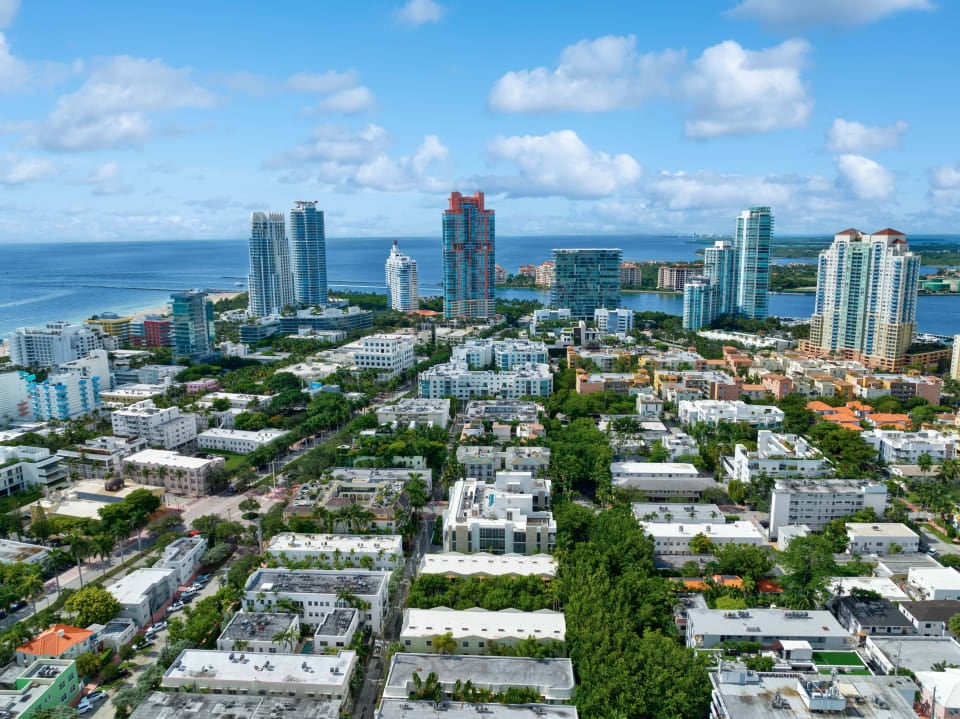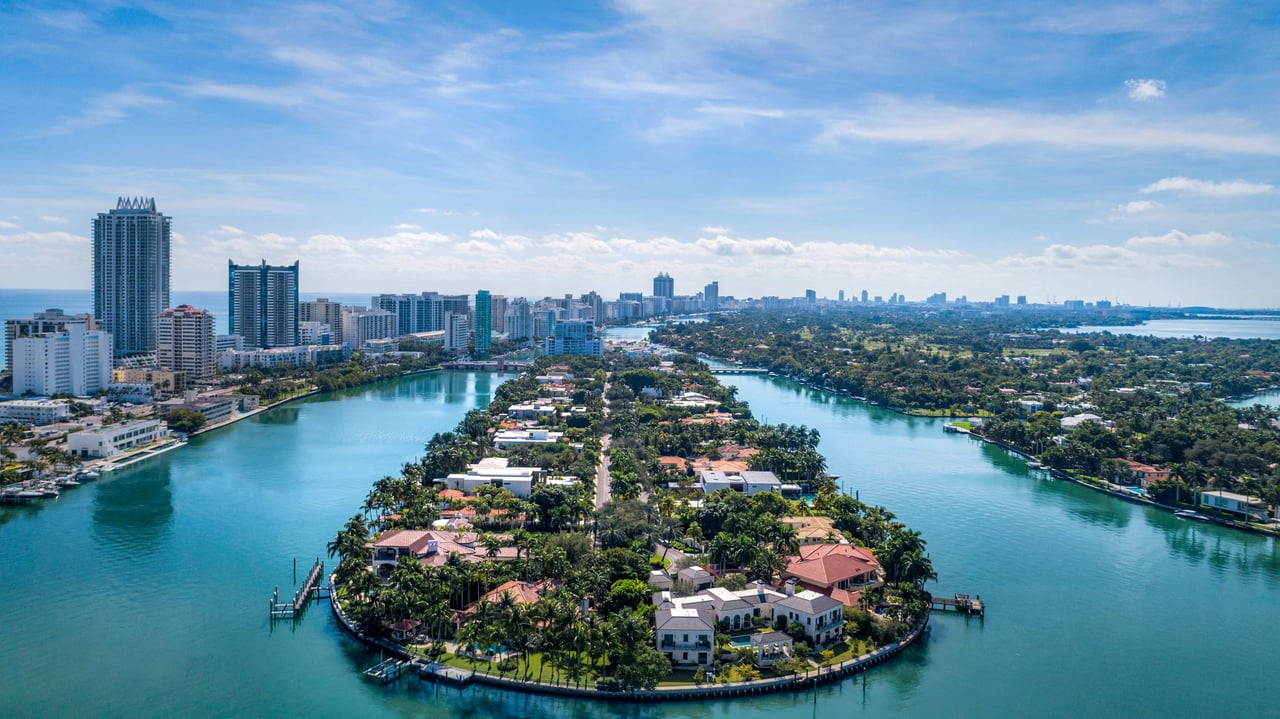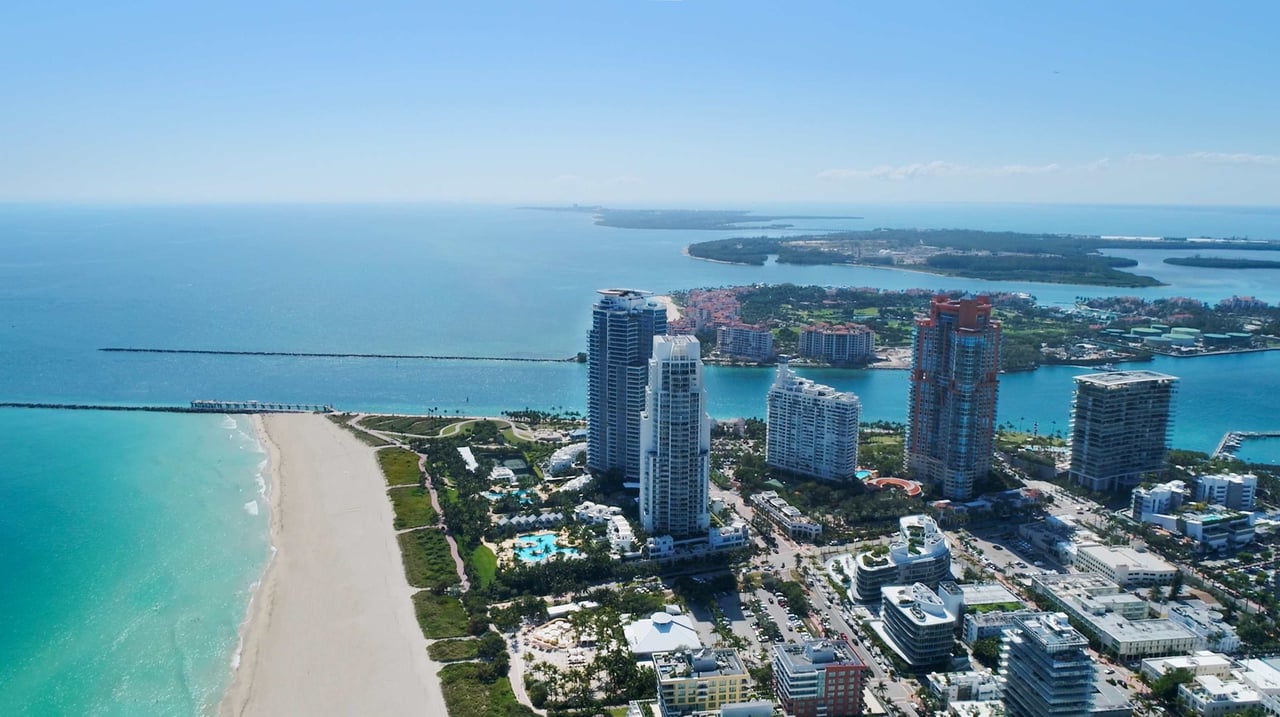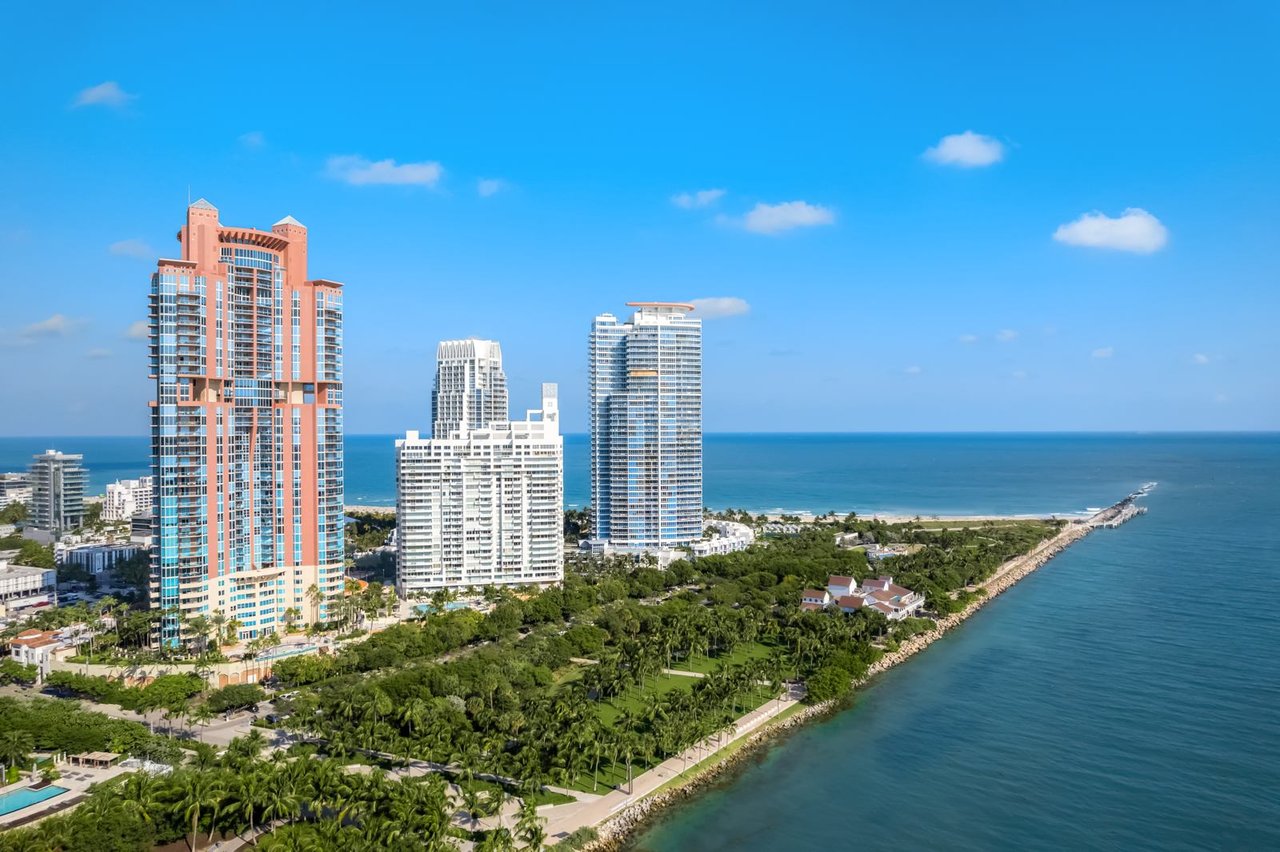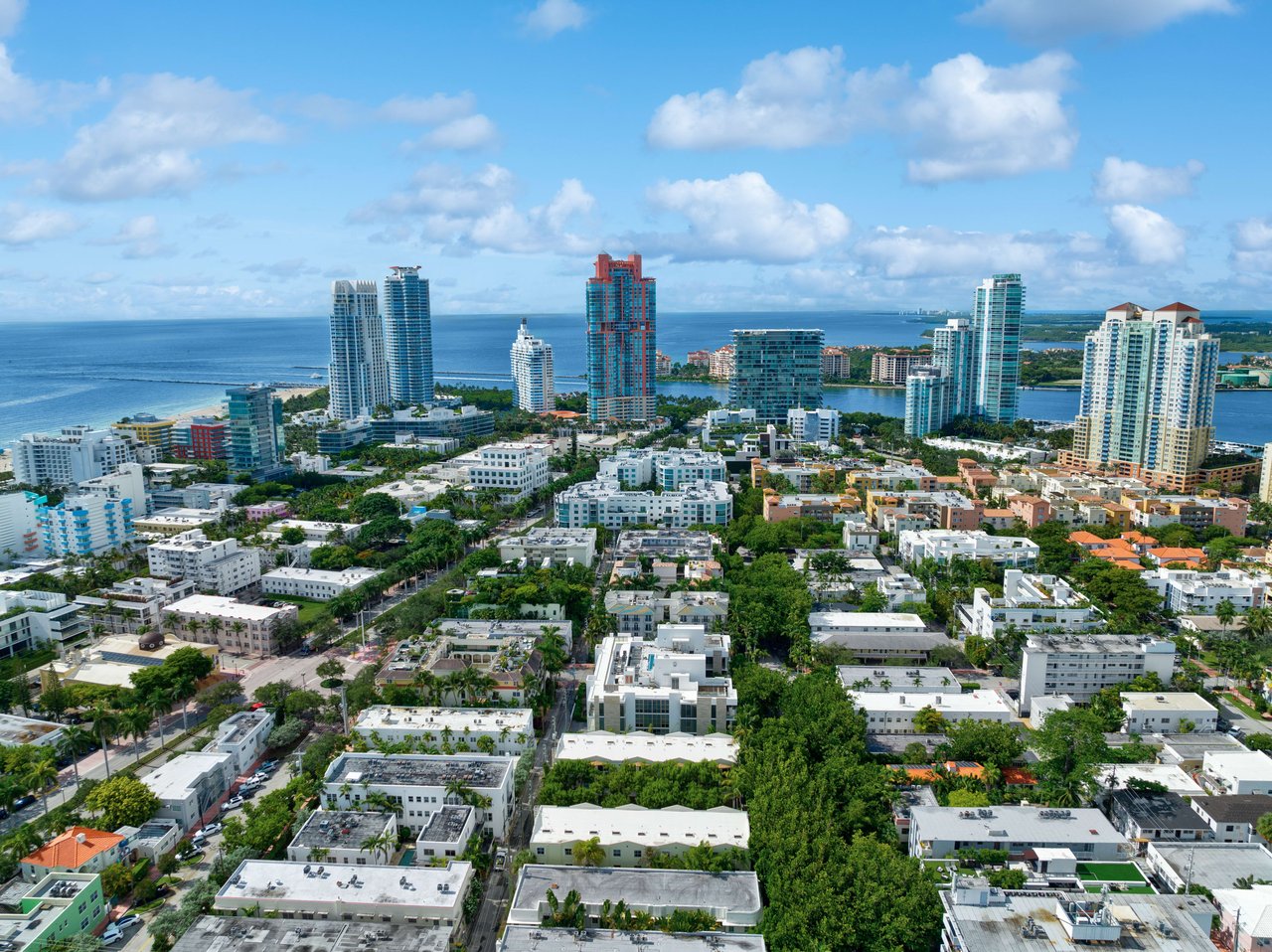
Selling a South of Fifth condo can feel simple at first glance, until the real timeline starts to take shape. If you are aiming for a smooth sale, premium presentation, and fewer last-minute surprises, it helps to know that this process usually unfolds in phases rather than one quick countdown. Here is what you can expect, what tends to slow things down, and how to prepare strategically before your condo goes live. Let’s dive in.
Why timing matters in South of Fifth
South of Fifth is a luxury condo market, and that matters when you set expectations for your sale. In Q1 2026, the average sale price in the area was $2,957,199, average days on market were 154, and absorption stood at 11.8 months, according to Brown Harris Stevens Miami.
That tells you something important. In many cases, the longest part of the sale is not closing. It is the time spent preparing the property, launching it well, and waiting for the right buyer to come forward.
Broader Miami Beach data supports that pace. Redfin reported average market time of 142 days for Miami Beach homes, and Realtor.com described South Beach as a buyer’s market in June 2026, with sellers getting about 95% of asking price.
Step 1: Start with pre-listing review
Before photos, showings, or marketing, you want to get the legal and building details in order. This early phase often makes the difference between a clean transaction and a delayed one.
The Florida Bar describes closing as technical and complex, which is why early legal review can be so helpful. For sellers, that can mean confirming ownership structure, reviewing condo-related documents, and preparing for payoff and title questions before the listing goes active.
In Miami Beach, it is also wise to check for open permits, expired permits, or code issues. The city allows you to search violations and permit history through its Civic Access system, and unresolved issues can surface during buyer due diligence and slow the deal.
What to check before listing
- Ownership and title details
- Mortgage payoff information
- Condo documents already in your possession
- Open permits or expired permits
- Any code violations tied to the unit or building
- Recent assessments, budgets, or financial notices from the association
- Whether milestone inspection and reserve-study materials are current, if applicable
Step 2: Confirm building document readiness
For many South of Fifth condos, building readiness is now a major part of the timeline. Florida’s newer condo safety rules can affect how quickly a buyer feels comfortable moving forward.
Under Florida law, certain condominium buildings that are three habitable stories or more must complete milestone inspections based on age and coastal location. Existing unit-owner-controlled associations also faced deadlines tied to structural integrity reserve studies, with some buildings allowed to complete the reserve study alongside a required milestone inspection by the end of 2026.
For you as a seller, the practical takeaway is simple. Confirm whether your building has current milestone inspection and reserve-study documents before you choose a launch date.
Why this step matters
If these materials are missing, delayed, or still under review, buyers may hesitate. Even if your unit shows beautifully, document uncertainty at the building level can create extra questions during contract negotiations.
Step 3: Prepare the condo for market
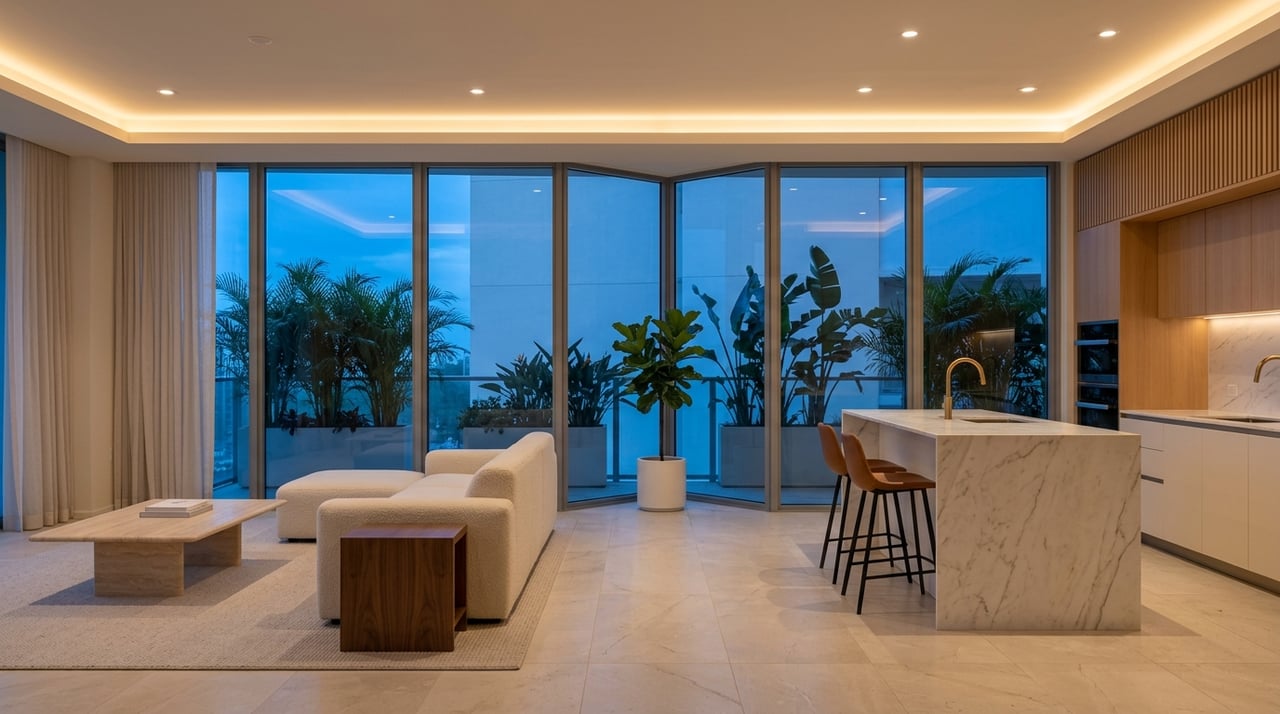
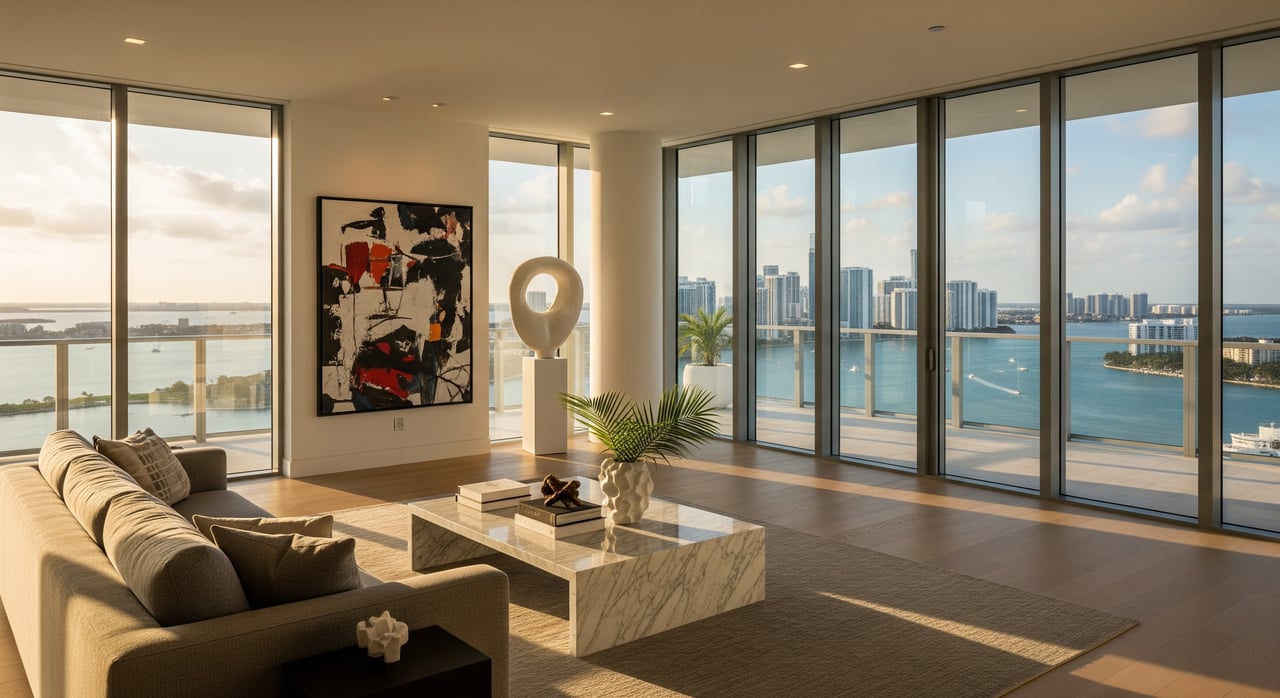
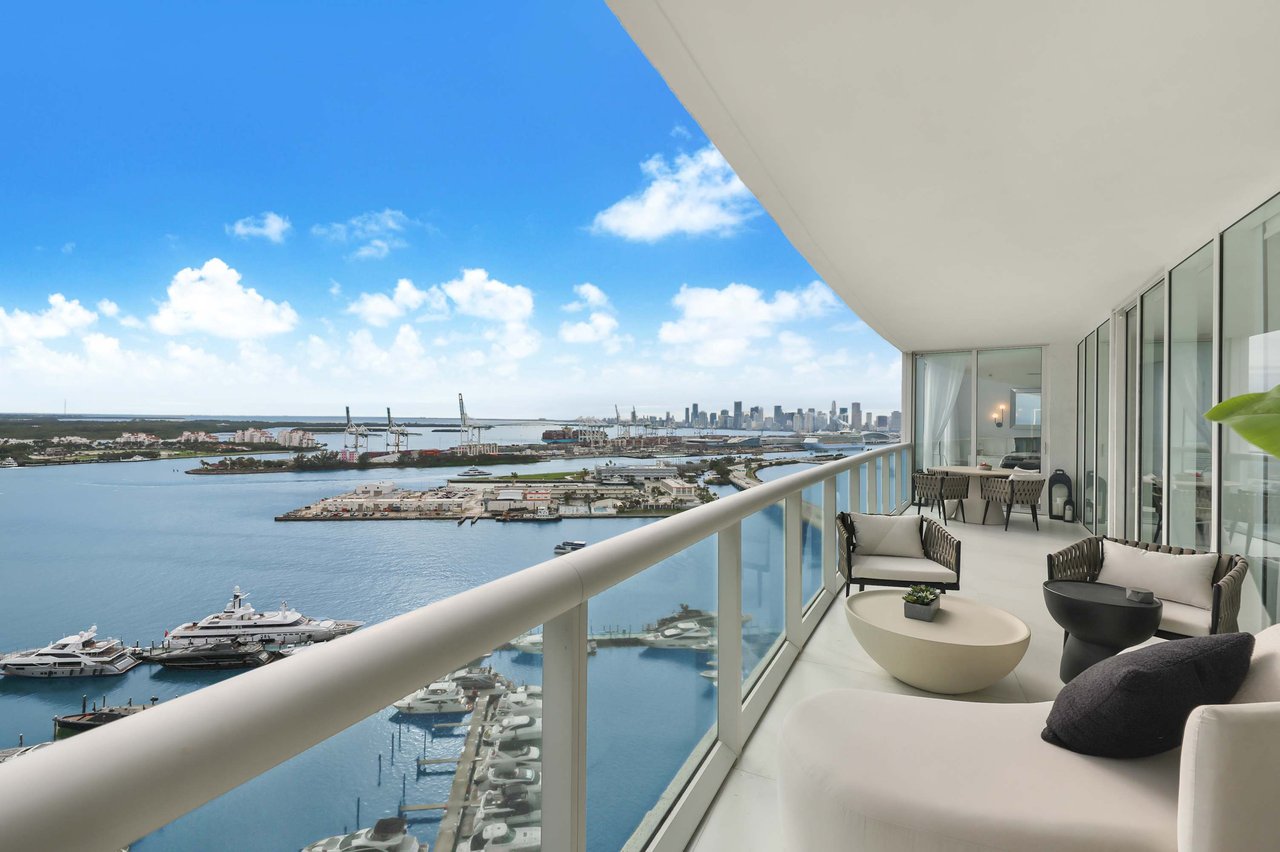
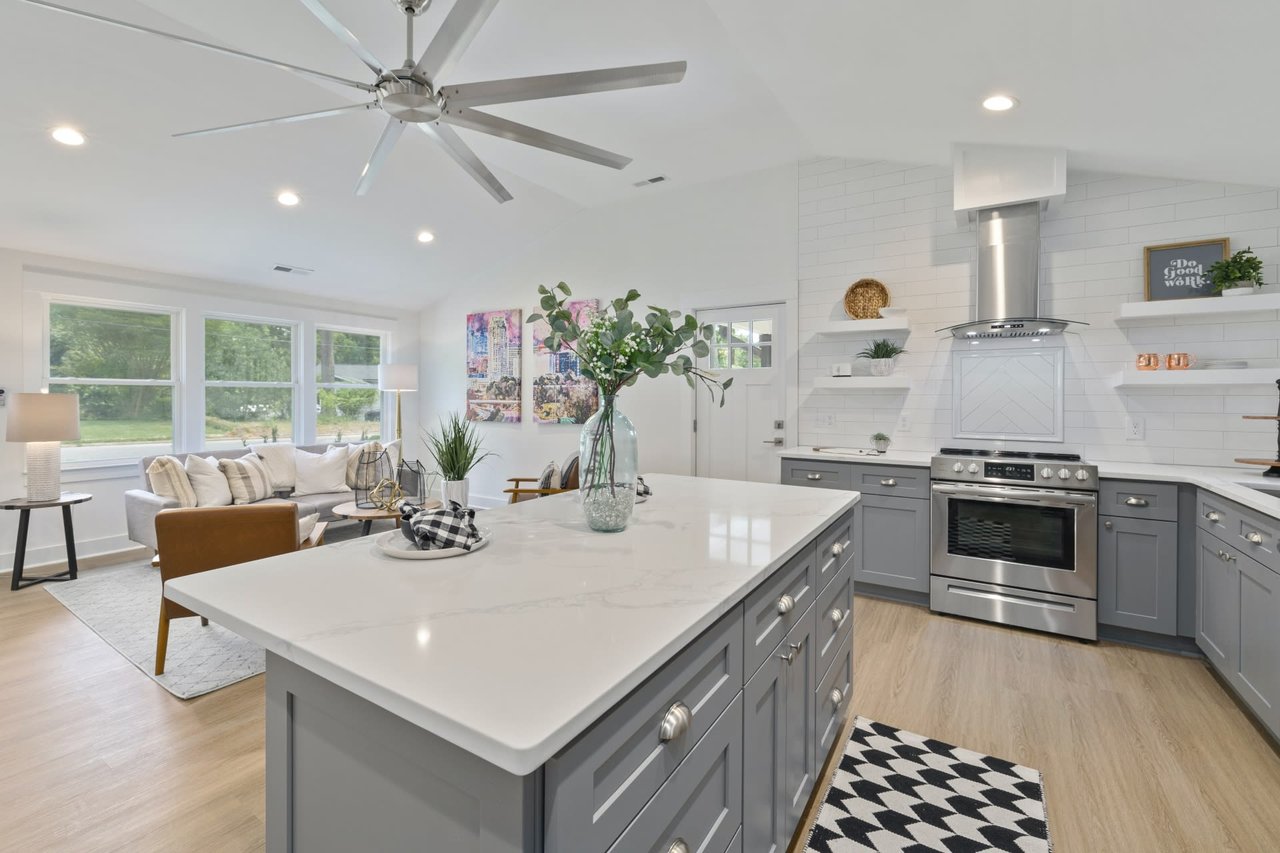
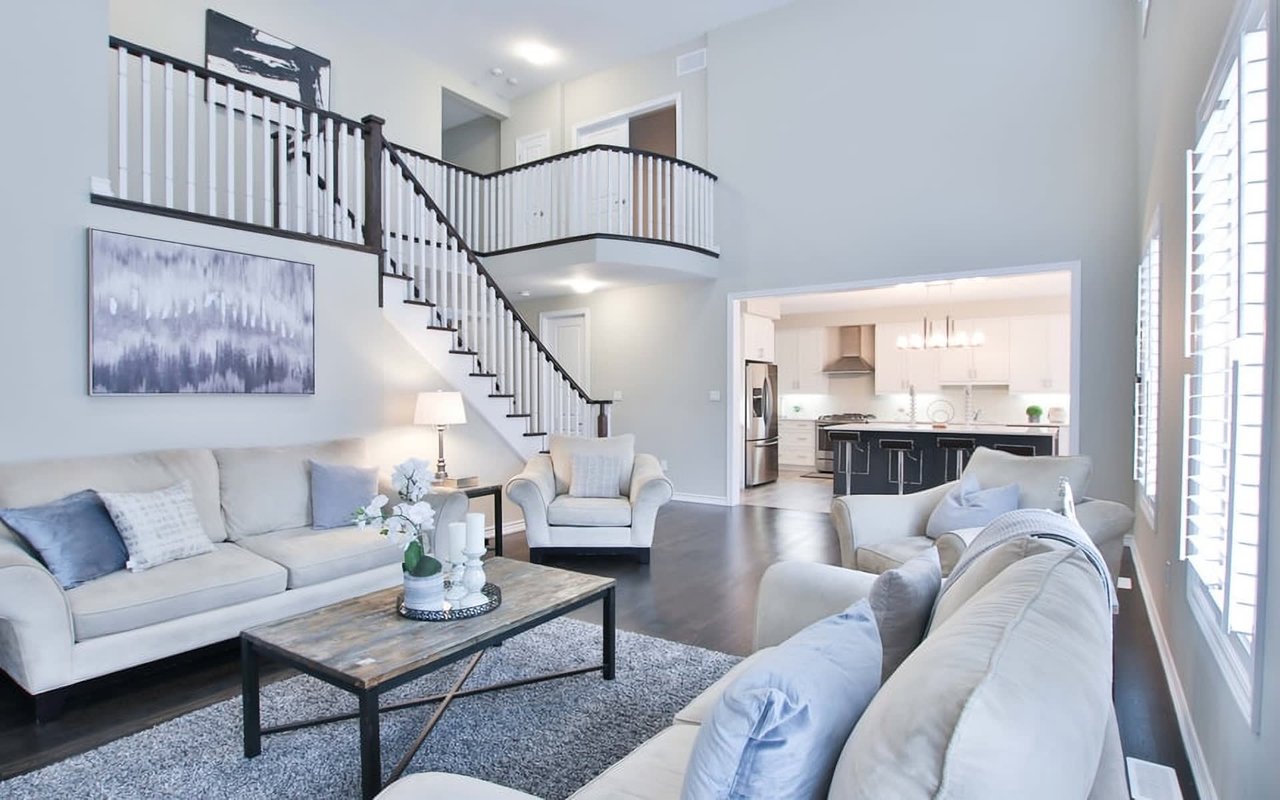
Once the paperwork side looks solid, the next phase is presentation. In South of Fifth, buyers at this price point expect polished media, a well-prepared residence, and a listing strategy that matches the building, view, floor plan, and current competition.
This is also where a boutique luxury approach can make a real difference. Curated staging decisions, professional video, virtual tours, and strong visual storytelling can help your condo stand out to both local and remote buyers.
For many sellers, this phase takes longer than expected. Scheduling photography, video, unit touch-ups, and building access for showings can take days or weeks before the property is truly ready to debut.
Step 4: Launch and market strategically
This is usually the longest part of the timeline. In South of Fifth, marketing is rarely just a matter of listing and waiting a weekend for offers.
With 154 average days on market in Q1 2026, a realistic seller timeline should allow for a measured marketing period. That is especially true in a buyer’s market, where pricing discipline, presentation quality, and exposure all matter.
What this phase often includes
- Listing launch
- Professional photography and video distribution
- Virtual tours for remote and international buyers
- Private showings and broker previews
- Ongoing pricing and feedback review
- Buyer follow-up and negotiation strategy
Some condos move faster than the market average, especially if they are priced well or offer something rare. Still, most sellers should plan for the possibility that this phase takes months, not days.
Step 5: Accept an offer and begin the contract phase
Once you have an acceptable offer, the timeline shifts from marketing to legal and association deadlines. This is where Florida condo resale rules become a key driver.
Under section 718.503, buyers must receive certain condo documents, including the declaration, articles, bylaws, rules, annual financial statement, annual budget, FAQ, and applicable milestone or reserve-study materials. If those documents were not delivered more than 7 days before contract execution, the buyer gets a 7-day cancellation right after signing and receipt.
The buyer may also request a written extension of closing by up to 7 days after receiving the documents. That means even a strong, motivated buyer may still need time to review the package properly.
A realistic contract-phase expectation
A practical planning assumption is that the condo document and association portion of the contract phase alone can take about 2 to 3 weeks. That estimate comes from the 7-day review window plus the association estoppel timing, even before lender underwriting or any added approval requirements.
Step 6: Order the estoppel early
One of the most important timing details in a condo sale is the estoppel certificate. Under section 718.116, the association has 10 business days after a written or electronic request to issue it.
The estoppel helps confirm amounts owed to the association and can also identify whether board approval for transfer or a right of first refusal applies. Since those details can affect closing readiness, this document should be ordered as early as possible once a contract looks likely.
Estoppel timing details to know
- Standard deadline: 10 business days after request
- Electronic or hand-delivered estoppel: effective for 30 days
- Mailed estoppel: effective for 35 days
- Associations may charge a fee, with an added fee for expedited delivery within 3 business days
This is a small step with a big impact. Waiting too long to request the estoppel can create avoidable closing pressure.
Step 7: Clear title and closing requirements
As closing approaches, the focus turns to title, signatures, funds, and recordation. This part of the process can move quickly if everything has been prepared well in advance.
The Florida Bar notes that seller documents in Florida need two witnesses and a notary. It also warns that wire fraud is a real risk, which makes independent verification of wiring instructions essential.
In Miami-Dade, the Clerk’s office states that deeds must be original, signed by the seller, witnessed by two non-related witnesses, and notarized. The office also collects recording taxes and fees when the deed is recorded.
Miami-Dade recording costs to expect
- Documentary stamp tax: $0.60 per $100 of consideration
- Miami-Dade surtax: $0.45 per $100 for transfers of interest in real property other than a single-family residence
- If financed, mortgage documentary stamps and intangible tax can also apply
Because condo sales often involve larger numbers and stricter review, small document errors can cause unnecessary delays. Clean execution matters.
Common delays that can slow your sale
Even well-positioned South of Fifth condos can hit avoidable timing issues. Most of them are tied to documents, building compliance, or late-stage logistics rather than buyer interest alone.
The most common pinch points
- Open violations or expired permits
- Missing condo resale documents
- Delayed milestone inspection or reserve-study materials
- Late estoppel requests
- Buyer requests for additional review time
- Title or ownership questions discovered late
- Wire instruction confusion near closing
The good news is that many of these delays can be reduced with early planning. A phased approach gives you more control and less stress.
A sample South of Fifth selling timeline
Below is a simple way to think about the process.
| Phase | What happens | Typical pacing |
|---|---|---|
| Pre-listing | Legal review, permit check, condo document gathering, building readiness review | Days to weeks |
| Preparation | Touch-ups, media production, pricing strategy, show-ready setup | Days to weeks |
| Marketing | Listing launch, showings, buyer outreach, offer negotiation | Weeks to months |
| Contract | Condo disclosures, estoppel, buyer review, title work | Roughly 2 to 3 weeks or more |
| Closing | Final signing, funding, deed recording | Days to a couple of weeks |
Every condo sale is different, but this framework reflects how South of Fifth sales actually tend to move in today’s market.
How to plan for a smoother sale
If you want the strongest possible outcome, start earlier than you think you need to. In a market where the average marketing period can stretch well beyond a few weeks, preparation is not extra work. It is part of the strategy.
A well-run South of Fifth sale is usually built on three things: accurate pricing, elevated presentation, and document readiness. When those pieces come together, you give yourself a better chance to protect value and reduce friction from listing through closing.
If you are considering a sale in South of Fifth and want a tailored timeline for your condo, Adrian Burke can help you map out the process with a concierge-level plan built around your building, your goals, and today’s market conditions.
FAQs
How long does it take to sell a South of Fifth condo?
- In Q1 2026, South of Fifth condos averaged 154 days on market, though your timeline can vary based on pricing, presentation, buyer demand, and building-related documents.
What documents do buyers review in a Florida condo resale?
- Buyers may need the declaration, articles, bylaws, rules, annual financial statement, annual budget, FAQ, and any applicable milestone inspection or reserve-study materials.
Why can Miami Beach permit issues delay a condo sale?
- Open violations, expired permits, or unpermitted work can surface during due diligence and may require corrective action before the transaction can close smoothly.
What is an estoppel certificate in a South of Fifth condo sale?
- It is an association document that confirms amounts owed and may also identify transfer approval requirements or a right of first refusal, and the association generally has 10 business days to issue it.
When should you start preparing a South of Fifth condo for sale?
- Ideally, you should begin before listing by reviewing legal, title, permit, association, and building documents so you can avoid preventable delays later.