As The Real Deal reported, Brian O'Brien asked: "We are upsetting our quality of life so Mr. Griffin can land a little closer to his house?"
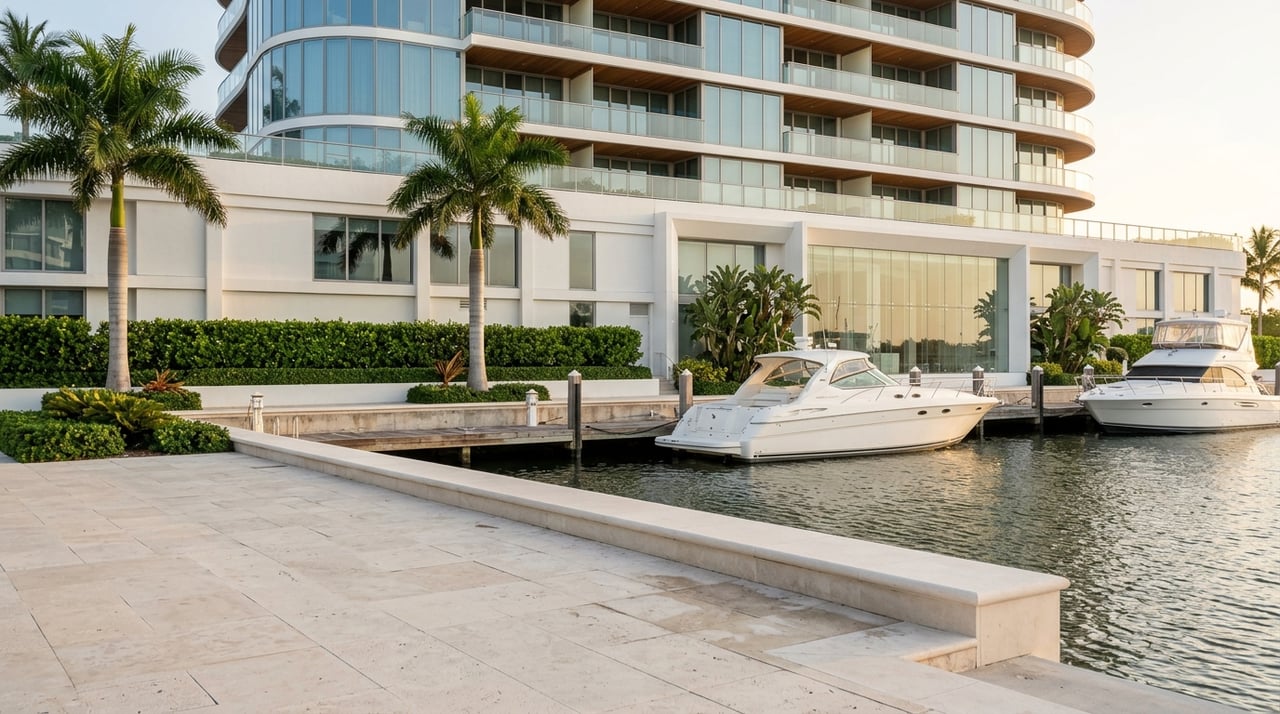
At a Miami Beach committee hearing on September 24, O'Brien spoke on behalf of the residents of the Yacht Club at Portofino. He wasn't alone. Leaders from eight condominium towers near the MacArthur Causeway, representing roughly 2,000 residents, showed up to object to a proposed helipad at Ken Griffin's new megayacht marina on Terminal Island. The committee approved it anyway, sending the matter to the full City Commission.
If you live in one of those towers, or anywhere south of Fifth Street, you've probably already seen the headline version of this story. This post explains what the September 24 vote did and summarizes the views expressed by nearby residents and representatives from islands across the water.
What the committee actually voted on
The vote wasn't an approval of the helipad itself. It was a zoning text amendment, changing Miami Beach's land development regulations so that a private helipad becomes an allowable "accessory use" within the I-1 light-industrial district that covers Terminal Island. Griffin's marina there, an already-approved 3.5-acre site next to the U.S. Coast Guard station, currently has no zoning path for a helipad at all. The September 24 vote by the Land Use and Sustainability Committee opens that path. It does not build the helipad.
Two things still stand between the proposal and a working landing pad. First, the full City Commission has to approve the zoning change, and that vote isn't expected for roughly two months, meaning it will likely land on a commission agenda sometime around late November. Second, even with the city's sign-off, the helipad still needs approval from the Florida Department of Transportation, which reviews and issues site-approval orders for heliports statewide, and from the Federal Aviation Administration. Commissioner Joseph Magazine sponsored the proposal and got it through committee. Commissioner Tanya Bhatt wanted to defer it and did not recommend approval. That two-month gap before the real vote is the part worth watching, because two commissioners on the committee, Magazine and Alex Fernandez, told Griffin's team directly to spend that time talking to residents instead of lobbying politicians.
Where residents and representatives stand
The hearing drew comments from residents and representatives on both sides of the water.
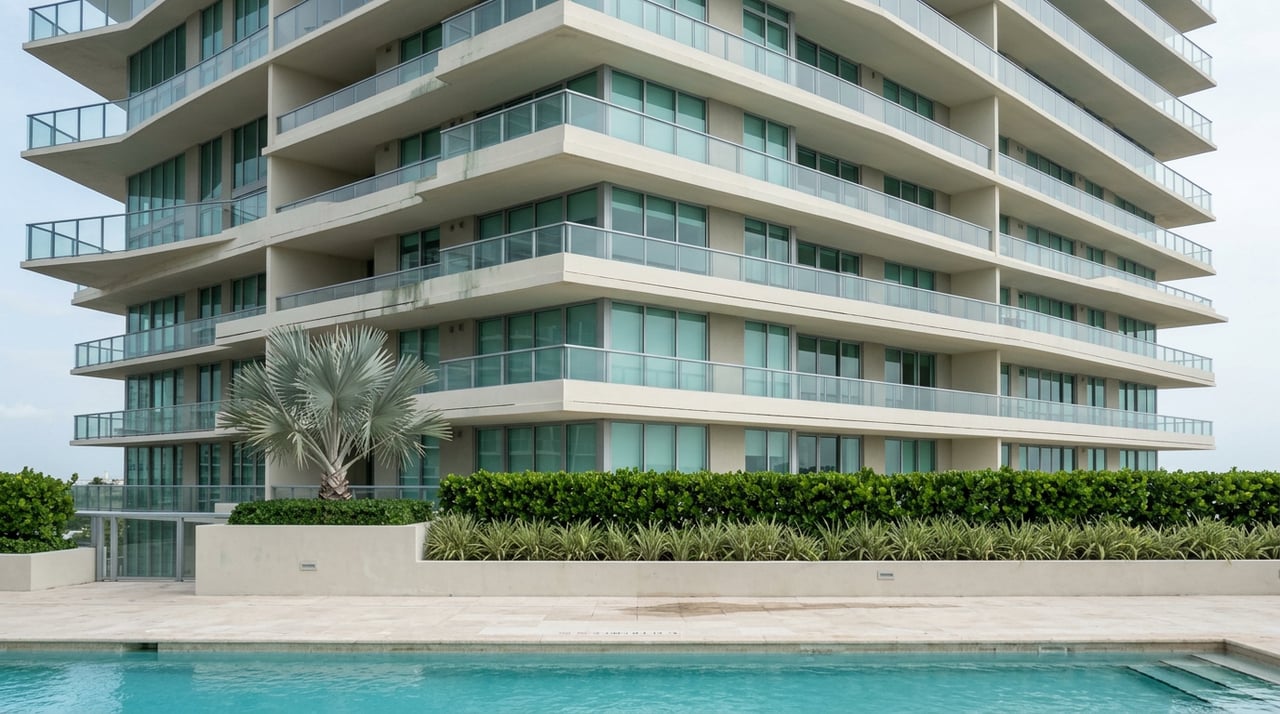
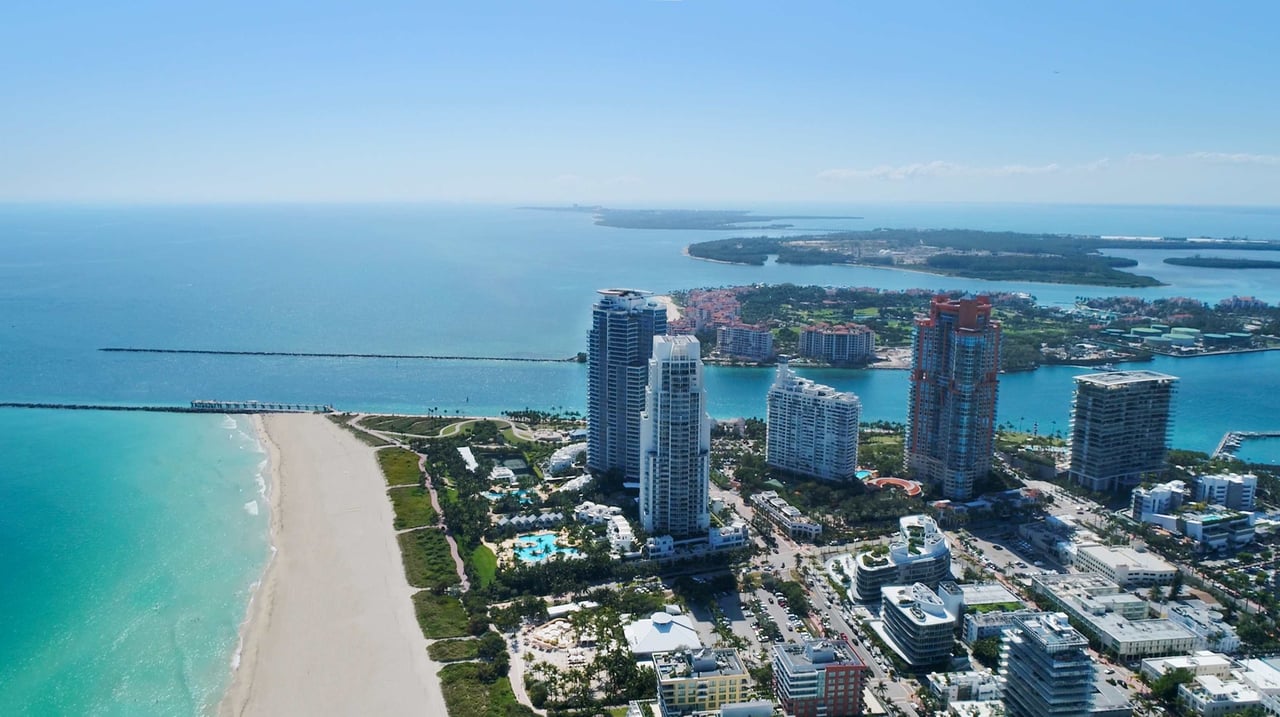
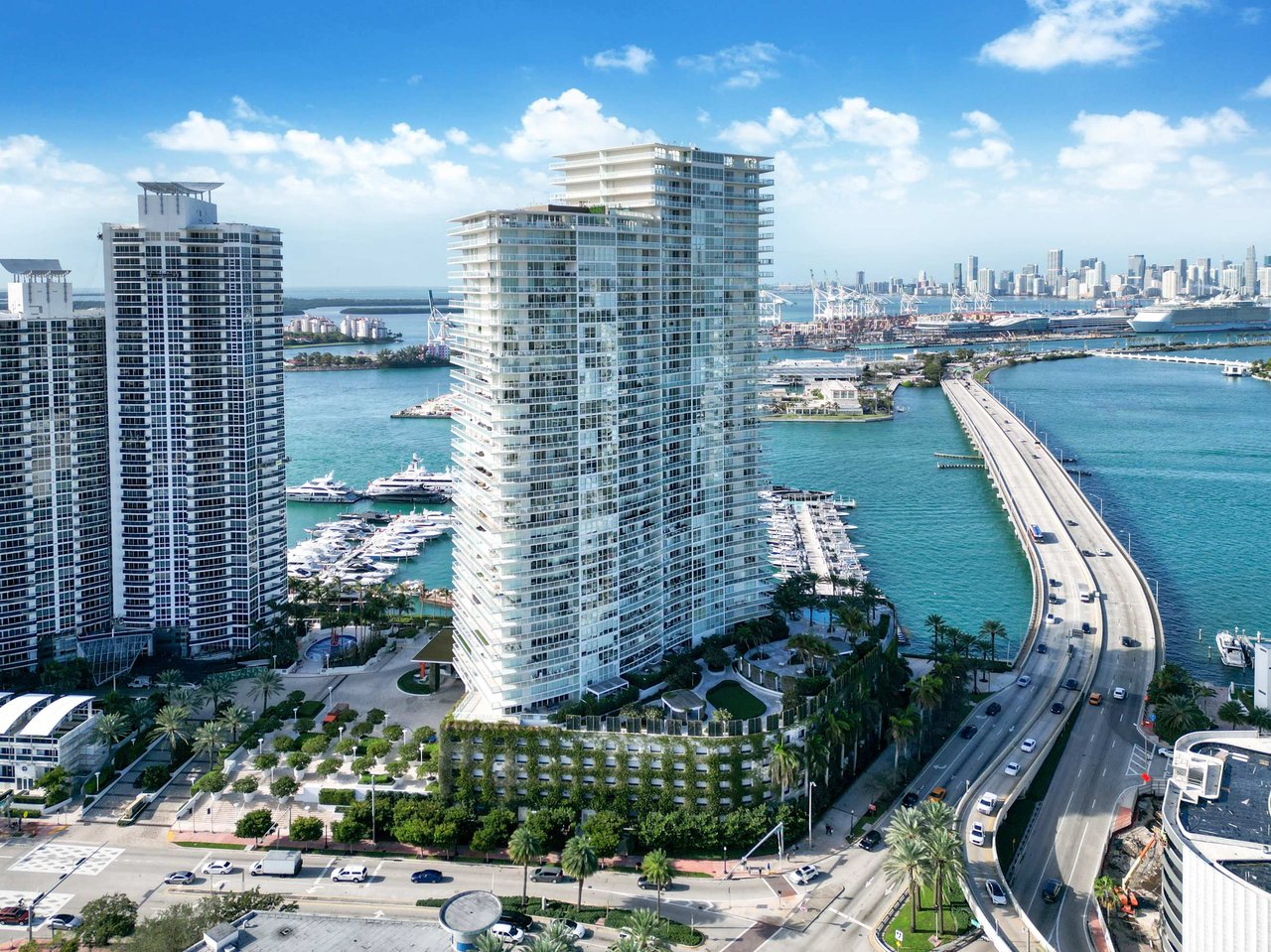
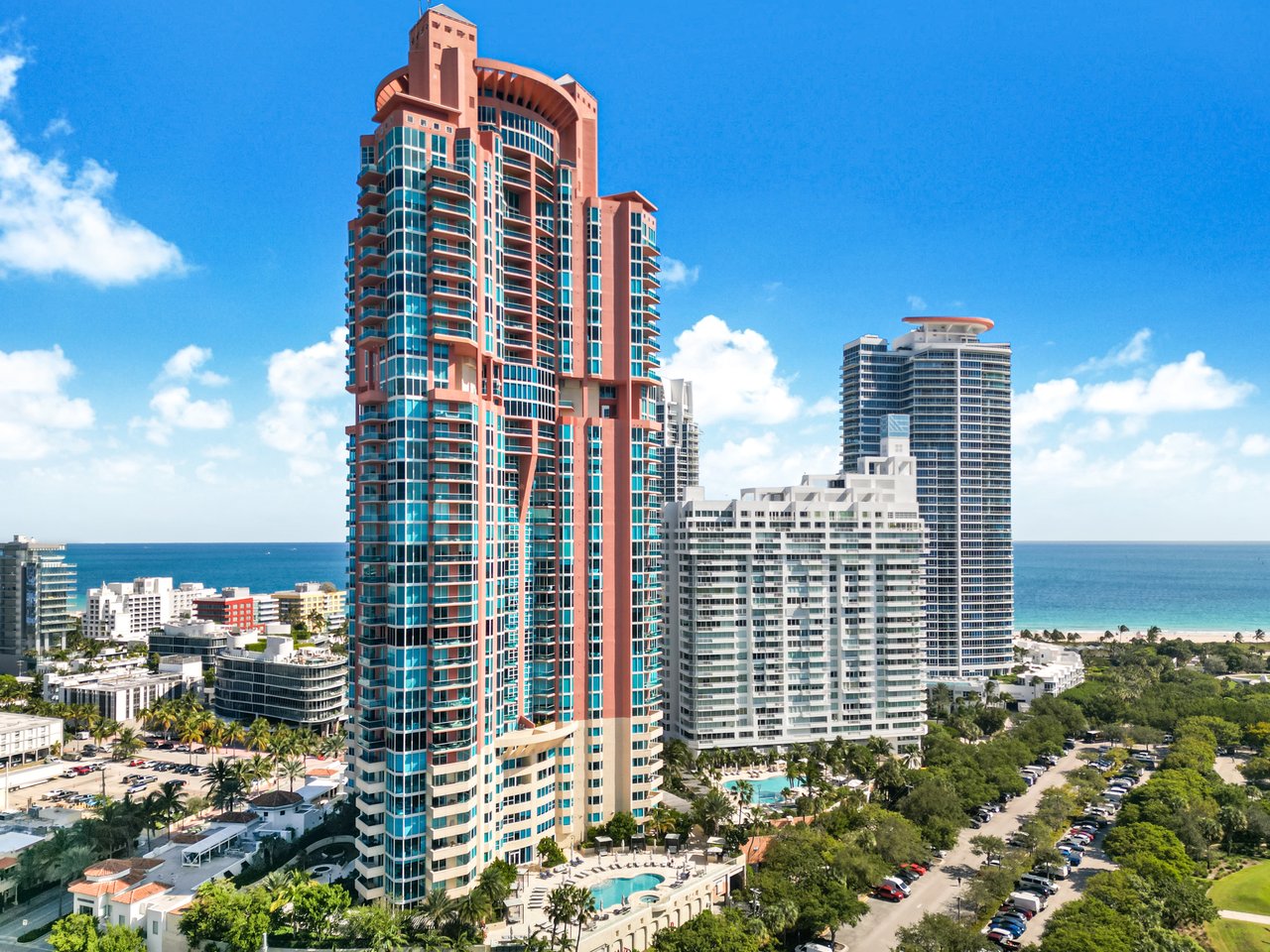
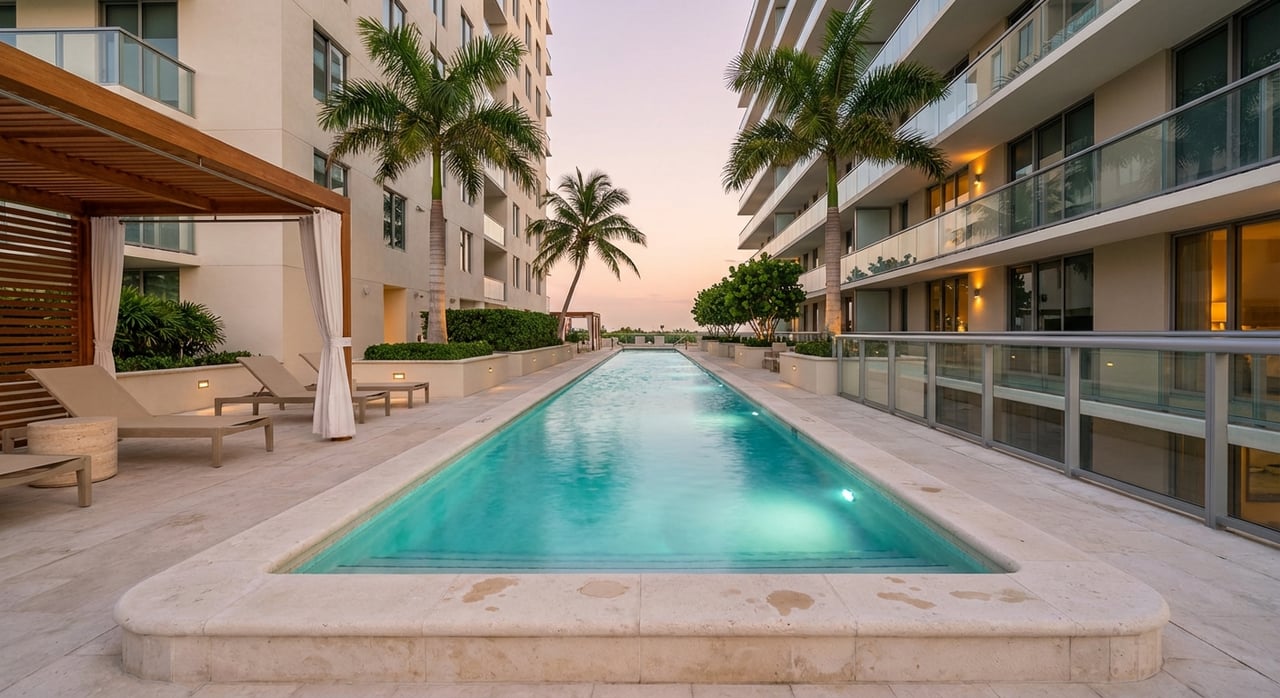
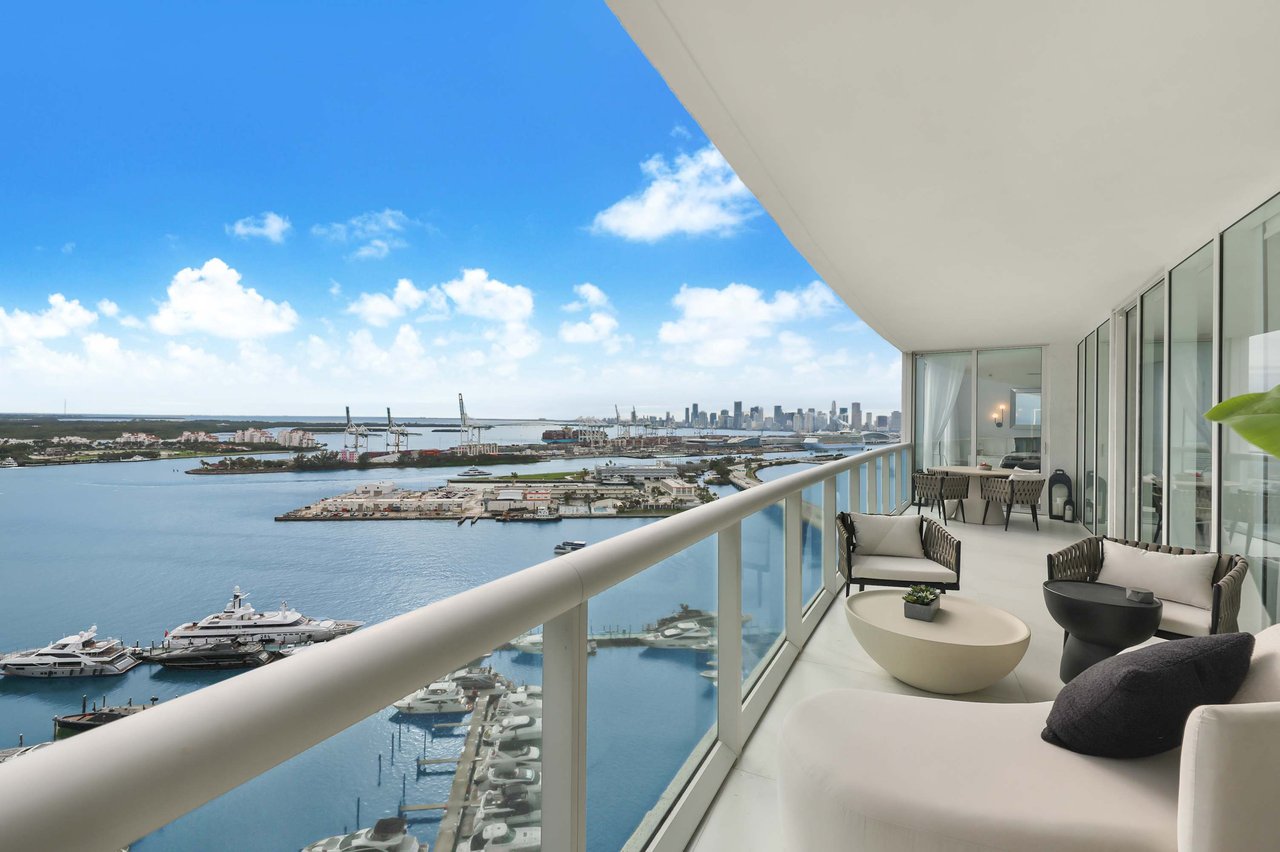
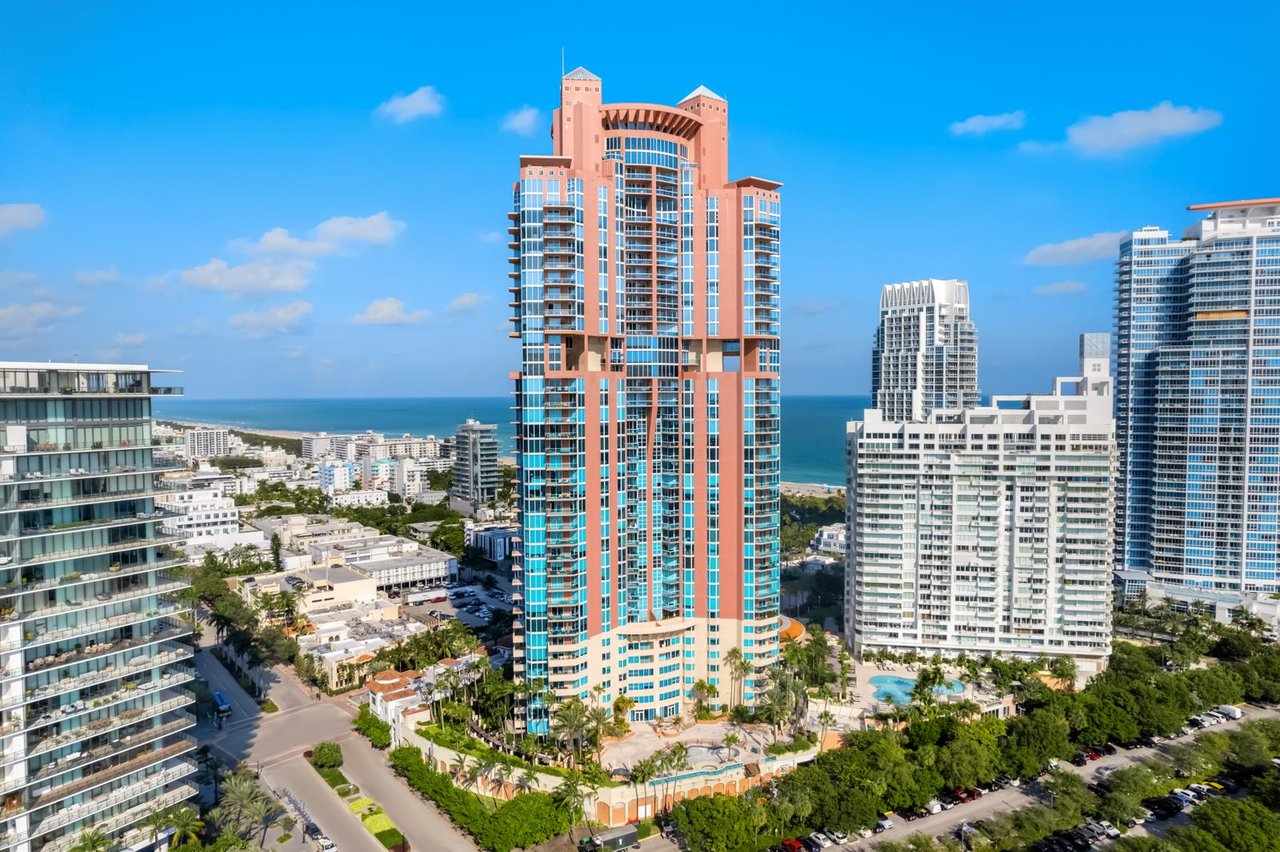
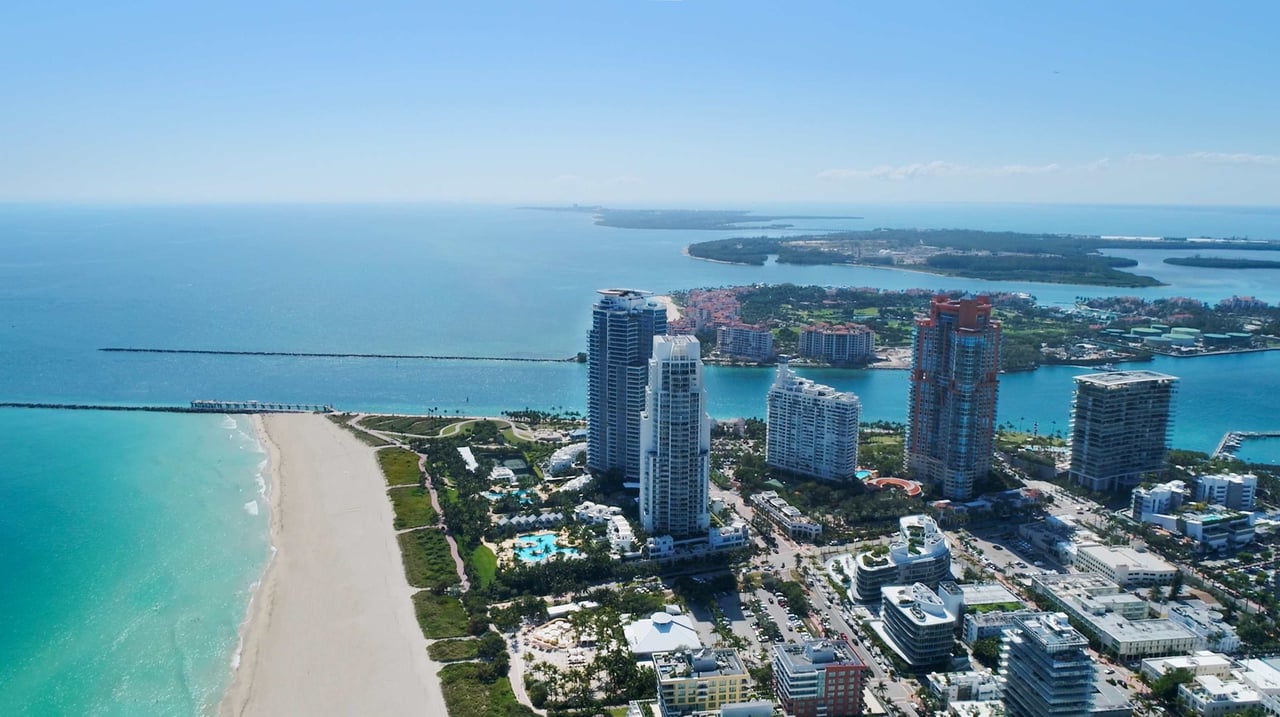
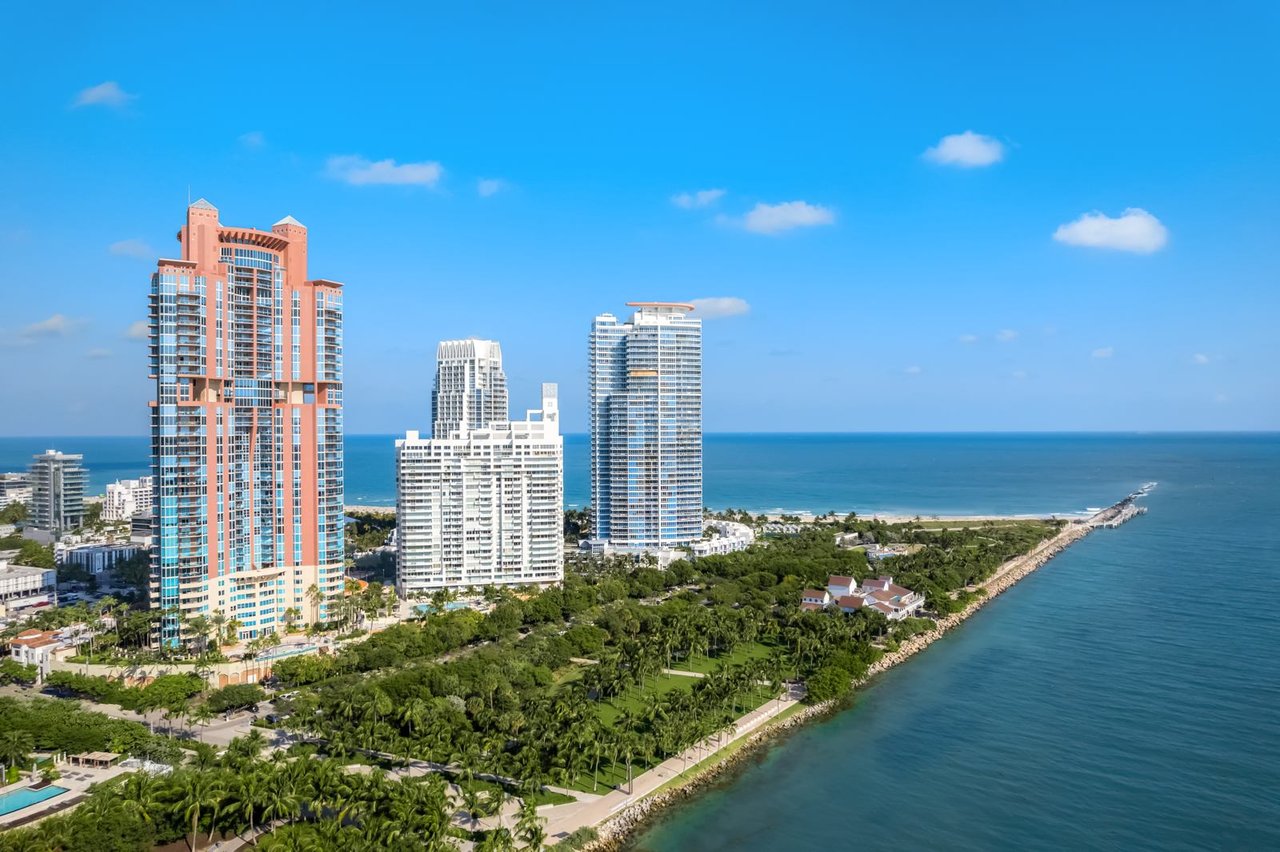
The objectors are the condo towers that sit inside the neighborhood proper, on the mainland side of the causeway. The Icon and the Yacht Club at Portofino are the two named specifically, among eight buildings whose leaders signed a joint letter to the city. John Stimmel, who lives at the Icon, brought the issue up at a monthly meeting of South of Fifth condo presidents after news of the helipad became public in July, and the group sent city officials a letter opposing it on September 1.
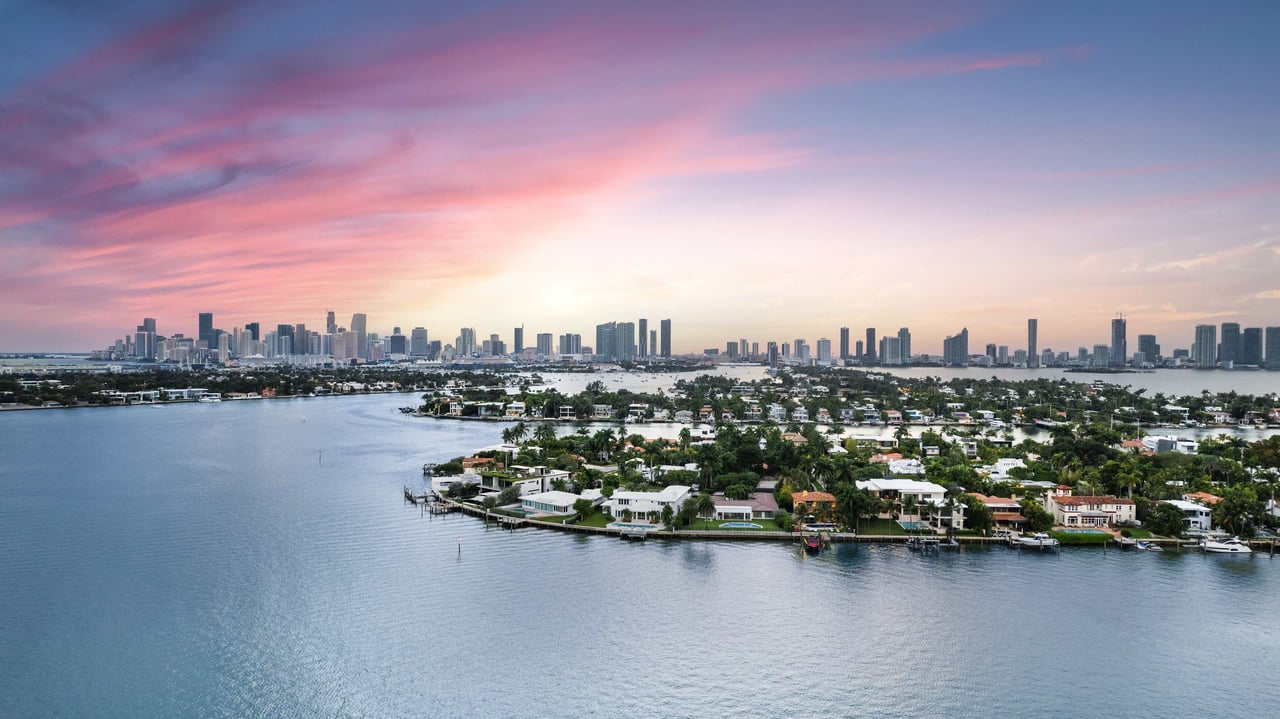
Support for the proposal was also expressed across the water, on the private islands: Star Island, where Griffin already owns a compound and has spent $169 million assembling residential parcels, along with Palm Island and Hibiscus Island. A resident representative for those islands, Chris Torto, wrote to the city on September 4 that a helipad is "an appropriate accessory use for the marina" and that it "will enhance the character of the Islands."
Even the distance between the complaining buildings and the helipad site is contested. Griffin's attorney and lobbyist, former Miami Beach mayor Neisen Kasdin, told the committee the objecting towers sit a half mile from the marina. Multiple news accounts of the same buildings put the distance closer to a third of a mile. Nobody has reconciled that gap, and it matters, because sound attenuates fast over water and a sixth of a mile is not a rounding error when you're arguing about what will be audible from a balcony.
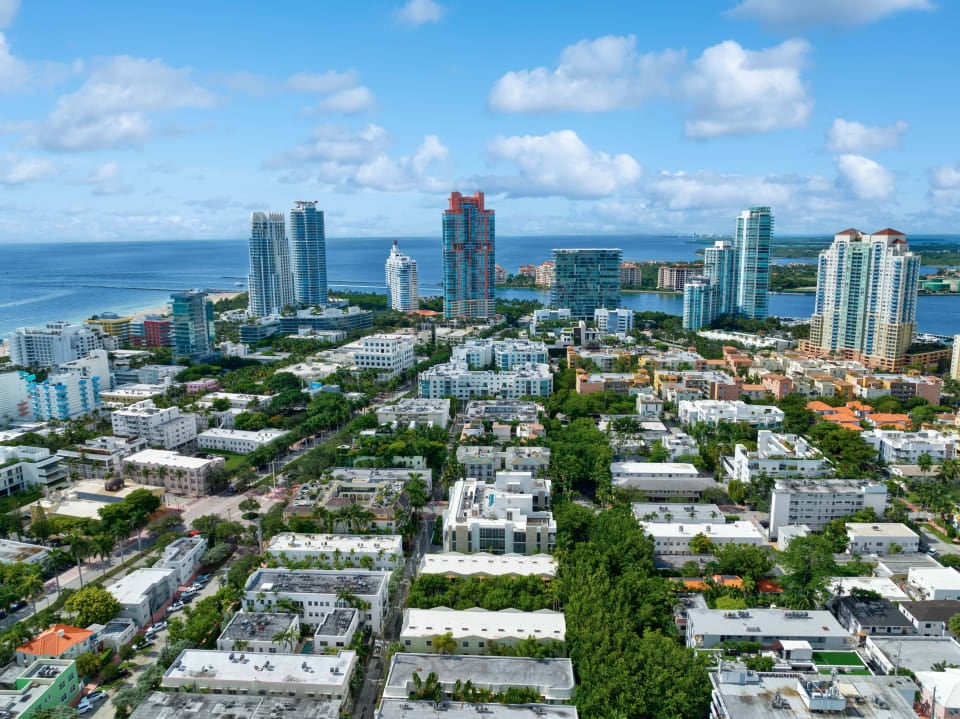
The map shows that nearby South of Fifth condo residents have objected to the proposal, while a representative of islands across the water has expressed support.
The noise numbers are real, and still unresolved
Griffin's team hired a sound consultant, who modeled the helicopter's noise at 65 decibels for the roughly 13 seconds it would be audible from a high-rise balcony, a level Kasdin compared to normal conversation between two people. The helicopter in question is an Airbus H160, a model that sells for $14 million and up and is marketed as one of the quietest available.
Committee chair David Suarez said he wants to hear it for himself. Kasdin agreed to arrange a live sound test in the coming weeks, and a resident of the Icon offered his own apartment as the test site. That test hasn't happened yet, which means every noise figure currently in circulation is a model, not a measurement.
The bigger unresolved question is frequency, not volume. Asked how often the helipad would be used, Kasdin said Griffin would be the sole user and pointed to 61 rental-helicopter trips he took from Watson Island over the prior year. That's an average of roughly one flight every six days. It's a real number, but it describes a helicopter Griffin was renting before he had his own landing pad next to his own marina. It says nothing about how that number changes once the trip requires no rental, no scheduling with a third party, and no flight to anywhere but home.
Stimmel raised a version of this at the hearing: what happens when the marina hosts an event and guests start arriving by air. The marina's 2025 planning approval already includes conditions capping occupancy and requiring Coast Guard sign-off for gatherings up to 300 people, evidence that the city itself expects this site to host events, not just quiet personal commutes.
What's actually left to happen
- A live sound test at the Icon, agreed to by Kasdin but not yet scheduled
- A City Commission vote on the zoning amendment, expected roughly two months out from September 24
- Review and site-approval from the Florida Department of Transportation
- Federal Aviation Administration review
- Two months of the kind of direct, building-to-building conversation that Commissioners Magazine and Fernandez told Griffin's team to go have, which as of this week Kasdin says has produced no agreement with Fifth Street residents
None of this is settled. The zoning path is open, not finished, and the next two months are where the actual negotiating happens, not in a commission chamber but in condo lobbies and email chains between people who live half a mile, or a third of a mile, apart.
If you own or are considering a unit in one of the buildings named in this dispute, the practical thing to track isn't the decibel argument. It's whether the sound test happens before the November commission vote, and whether anything changes in the operating conditions the city attaches to approval, since those conditions, not the initial vote, are usually what determines how a project like this actually behaves once it's built.
If you're following what a Terminal Island helipad could mean for a property you own or are evaluating South of Fifth, Adrian Burke can walk you through what's actually at stake before the City Commission takes it up. Book a Private Consultation.
This article is general information, not legal, tax or financial advice. Consult a qualified professional about your situation.