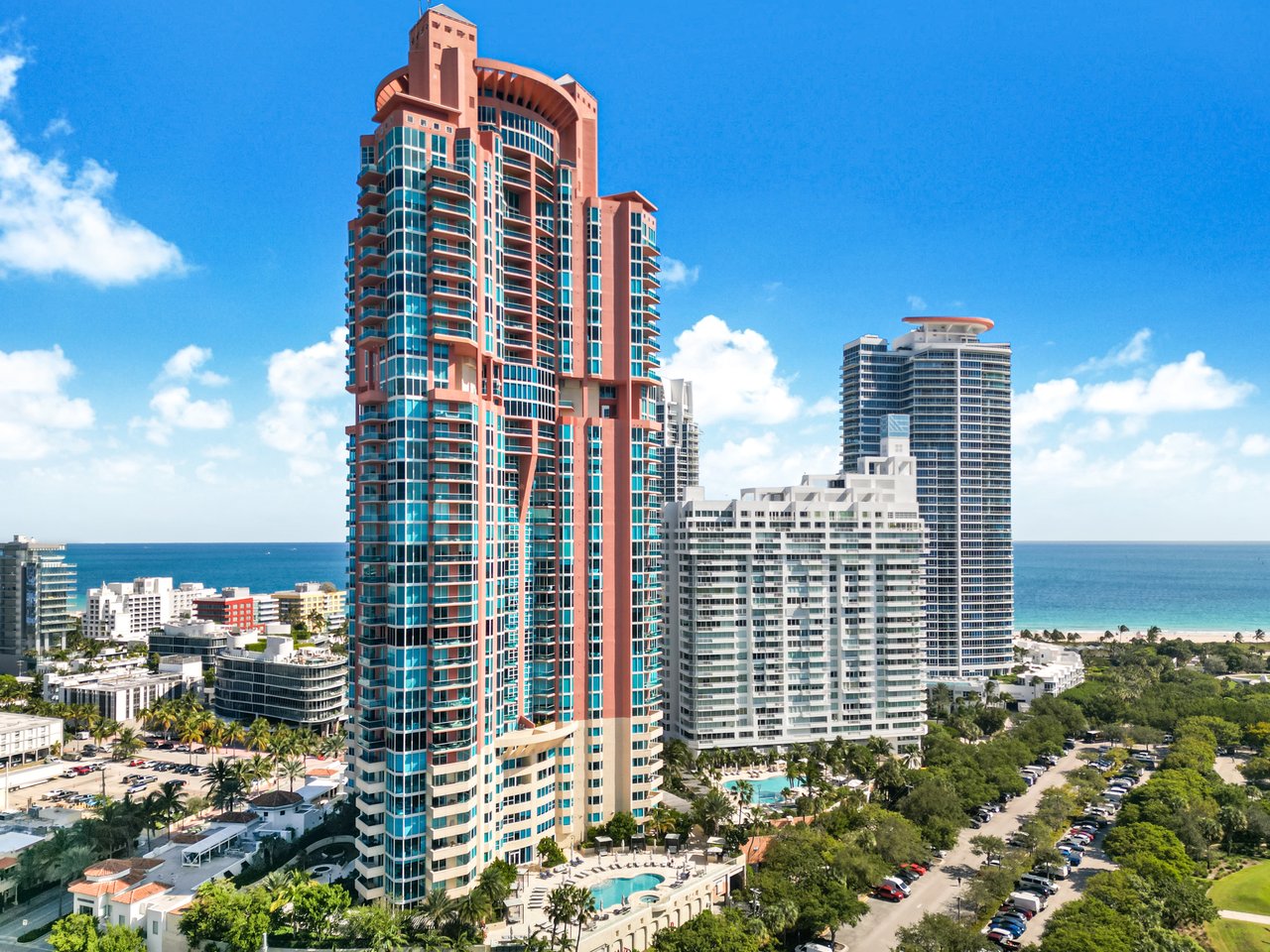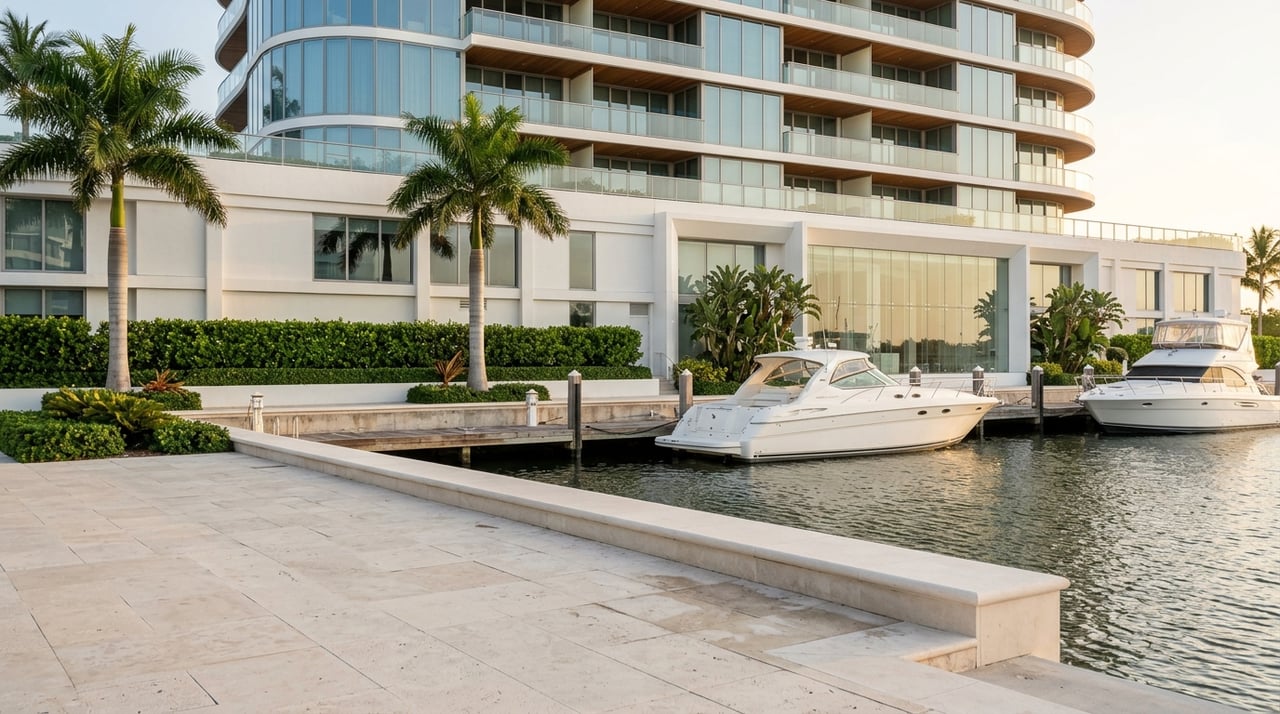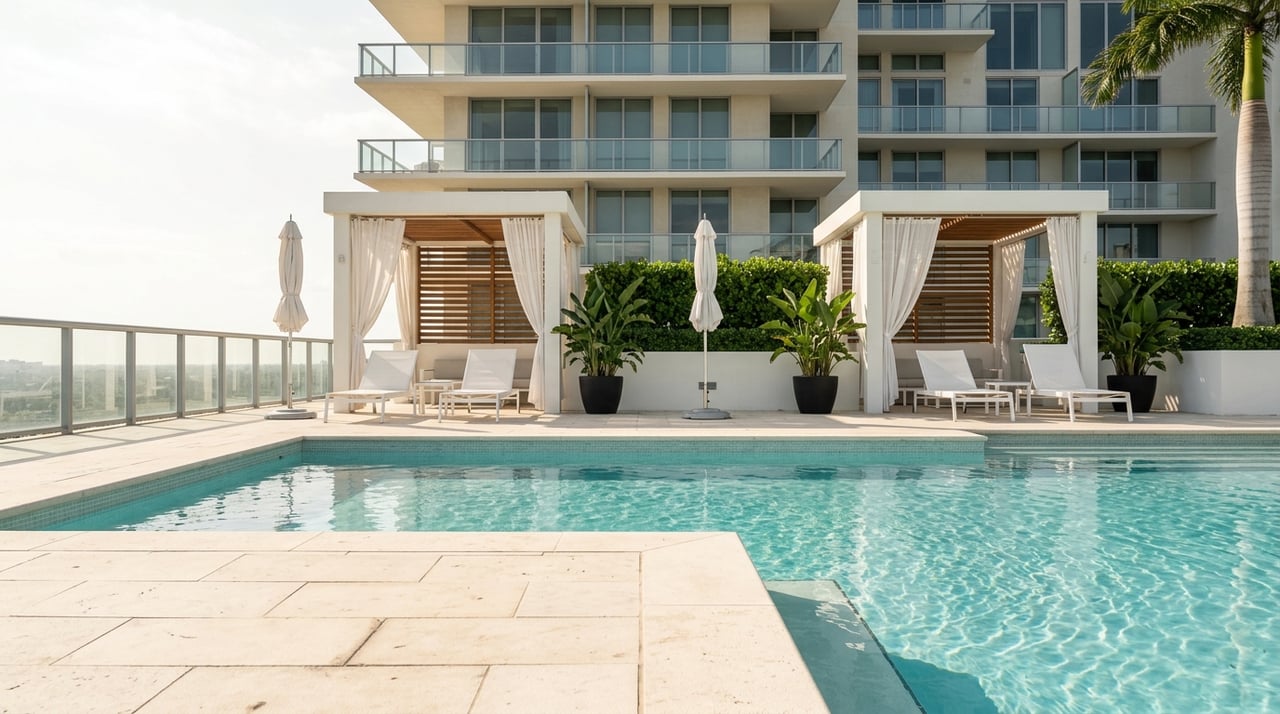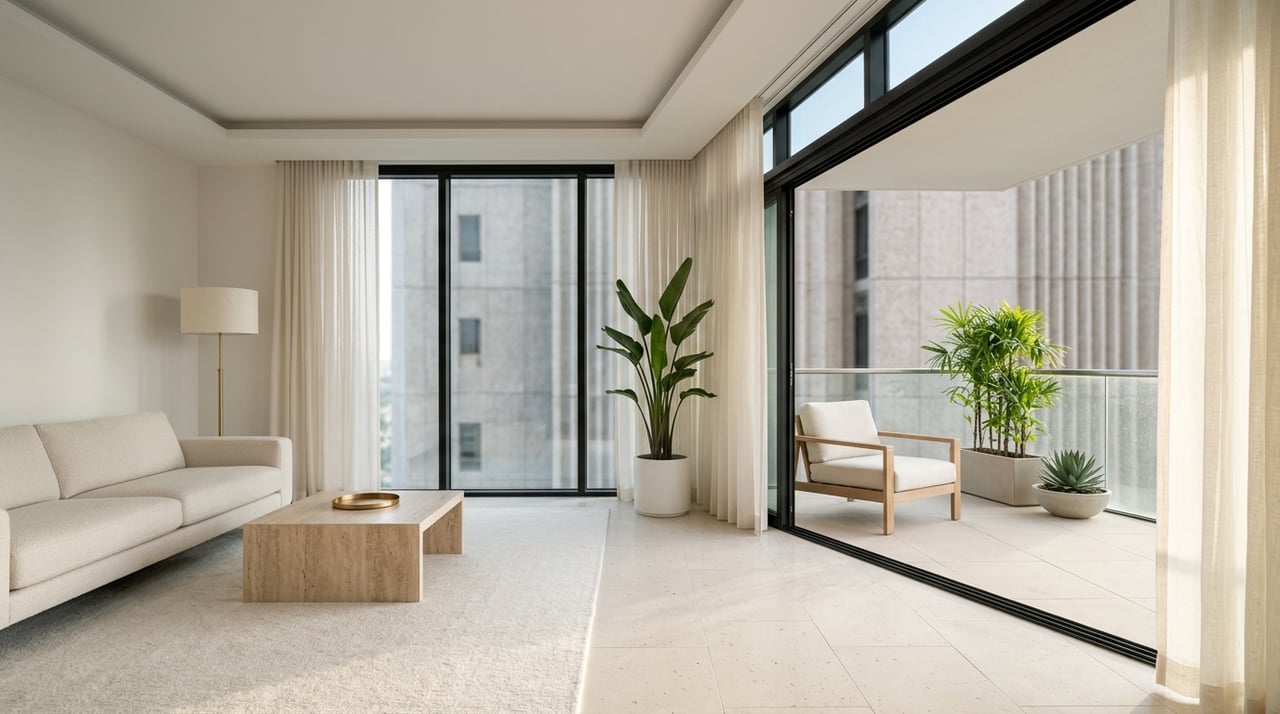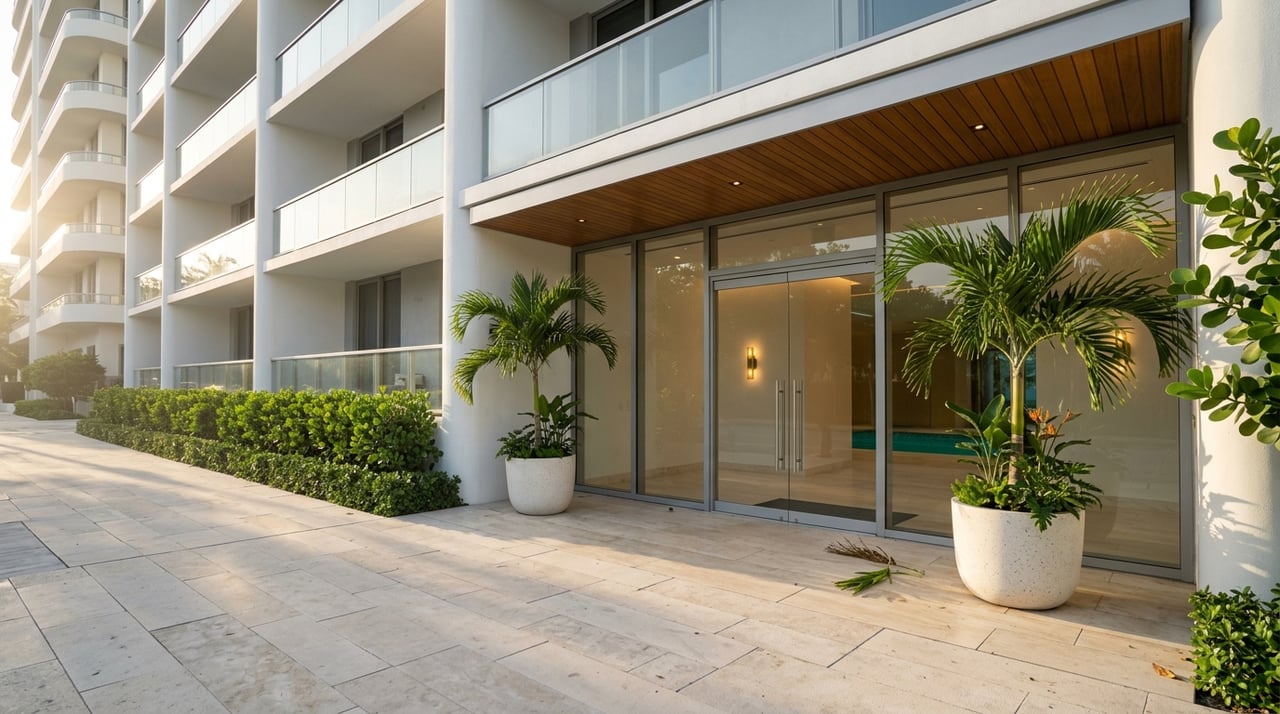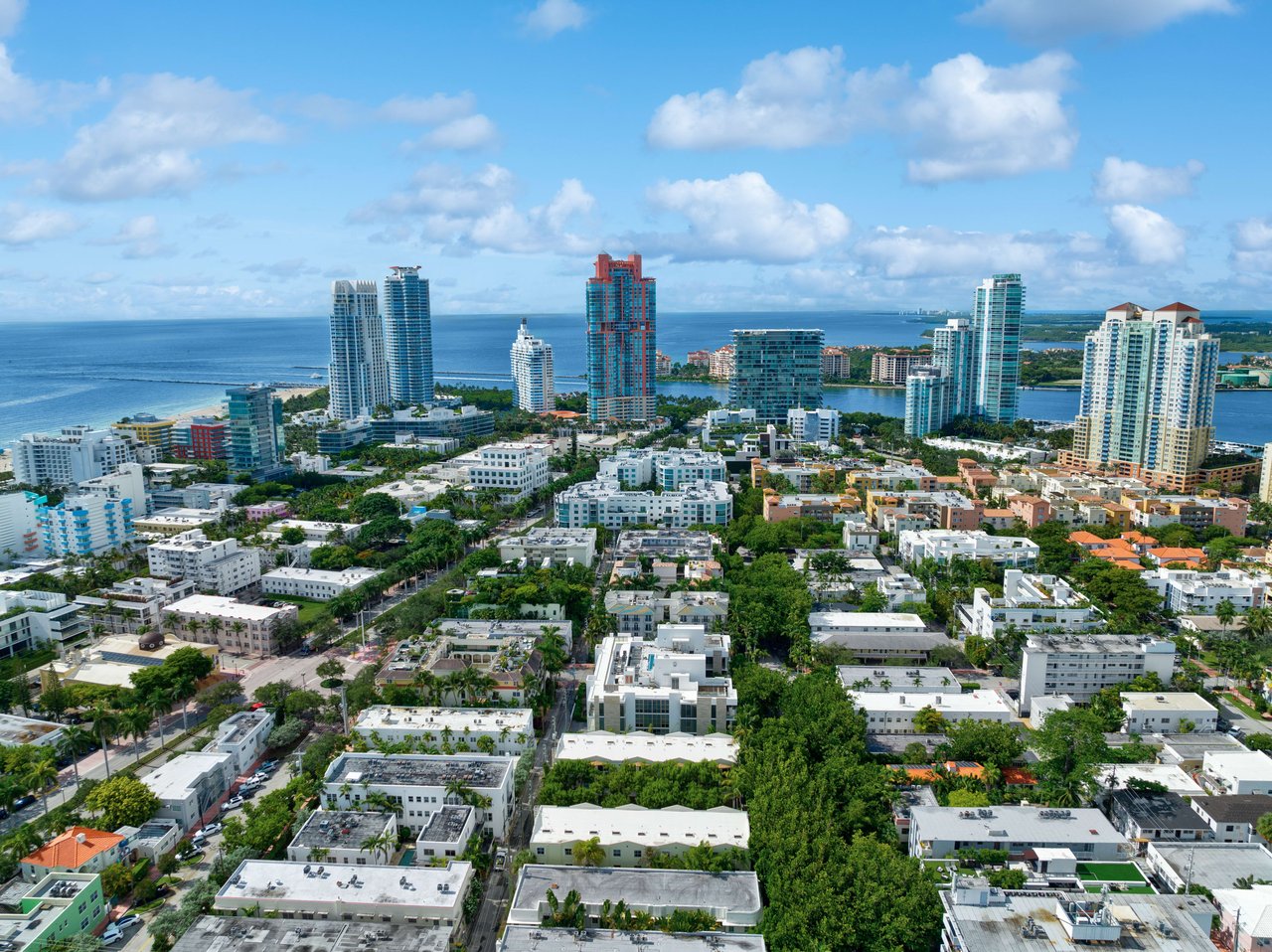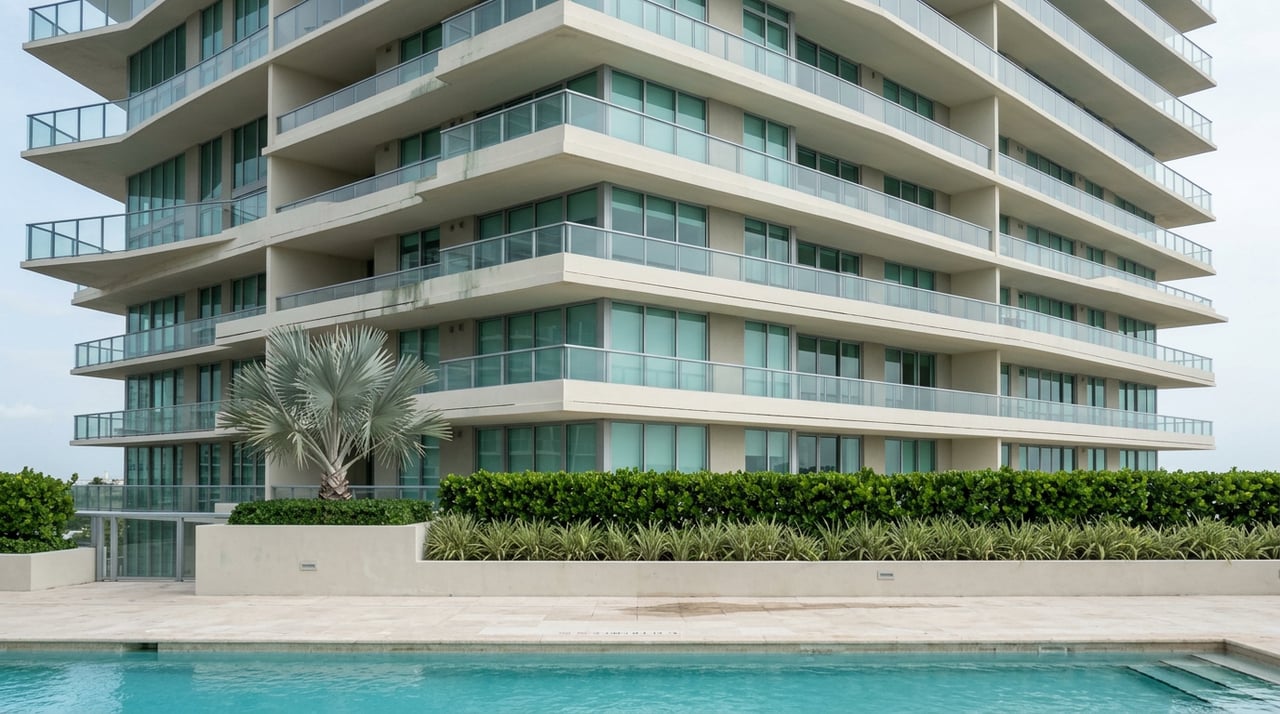
Two listings, half a block apart, both quoting roughly $1,900 a square foot. Same beach, same walk to Joe's Stone Crab, same HOA fee in the same ballpark. Which one is the better buy?
For most of the past decade, that question answered itself once you compared finishes and floor plans. In 2026, it doesn't. Florida's condo safety law finally caught up with South of Fifth's building stock this year, and the number that separates a sound purchase from an expensive surprise isn't on the listing sheet. It's the certificate of occupancy date.
One deadline, four very different paper trails
CSI Design says every condominium in Florida with three or more habitable stories had to complete a Structural Integrity Reserve Study, known as a SIRS, by December 31, 2025. That deadline applied regardless of a building's age. House Bill 913, in full effect since July 1, 2025, closed the loophole that used to let associations vote to waive reserve funding for structural items. For budgets adopted on or after January 1, 2025, Maloney Construction says boards can no longer skip funding for the eight components a SIRS covers: roof, load-bearing structure, fireproofing, plumbing, electrical, waterproofing and exterior paint, windows and doors, plus a catch-all category that now kicks in above $25,675 for anything else that threatens those seven.
That part of the law treats every SoFi tower the same. What it doesn't equalize is the evidence each building's SIRS was built on. A separate requirement, the milestone inspection, is triggered by age: 25 years from the certificate of occupancy for buildings within three miles of the coast, then every 10 years after that. Nearly every tower in South of Fifth qualifies as coastal.
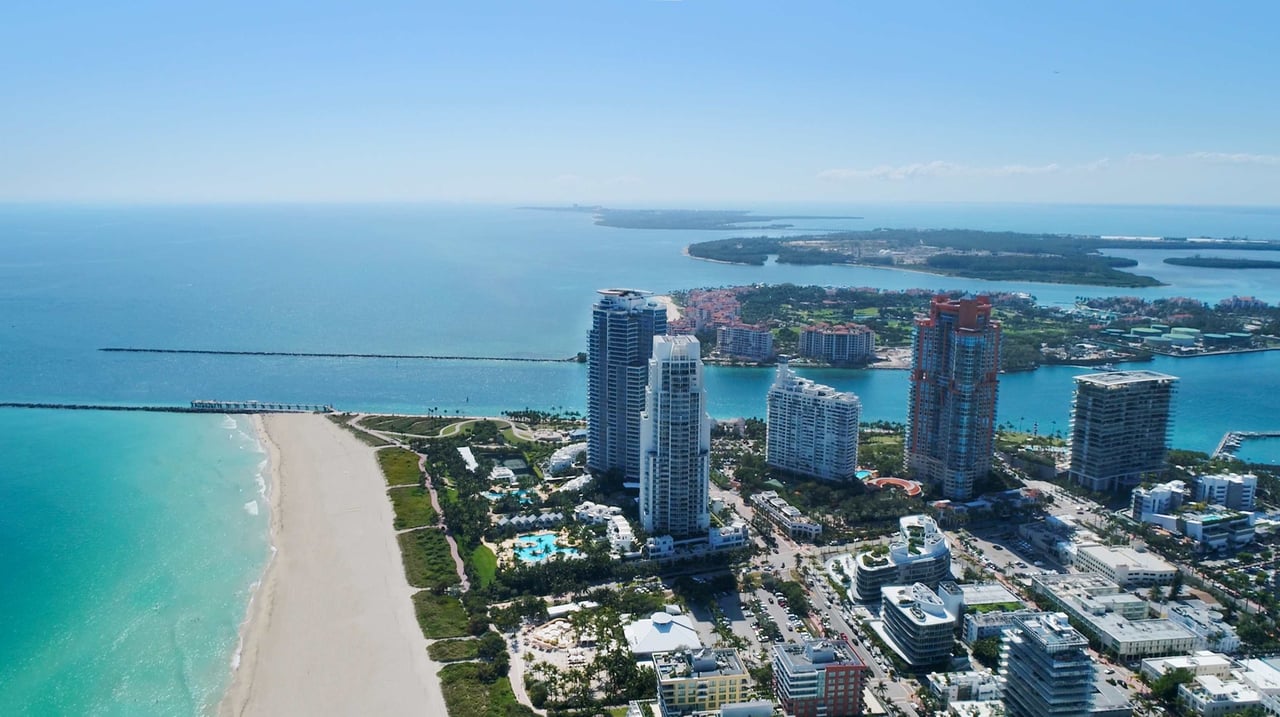
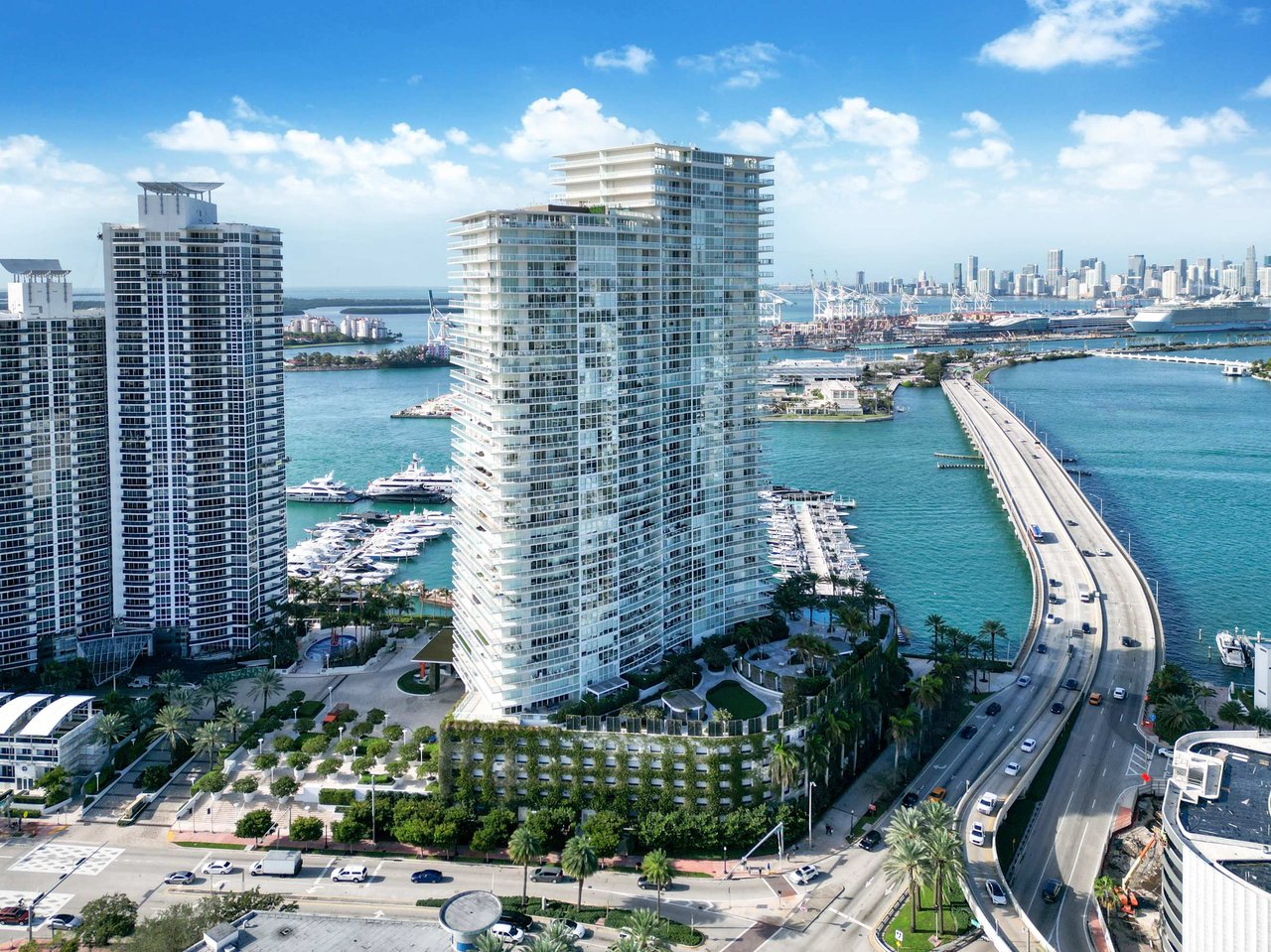
Here's where the four buildings diverge:
| Building | Year completed | Approx. 25-year milestone trigger | What that means for the 2025 SIRS |
|---|---|---|---|
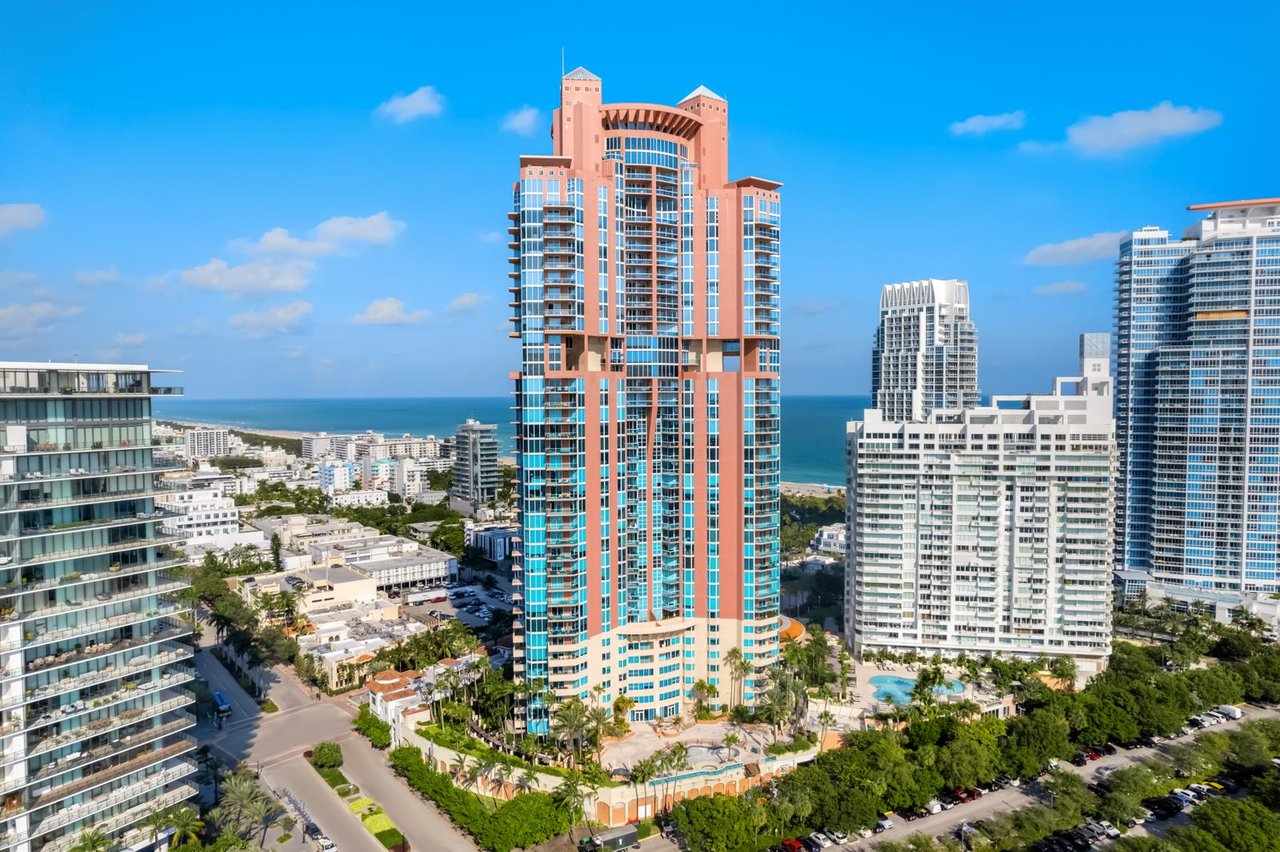
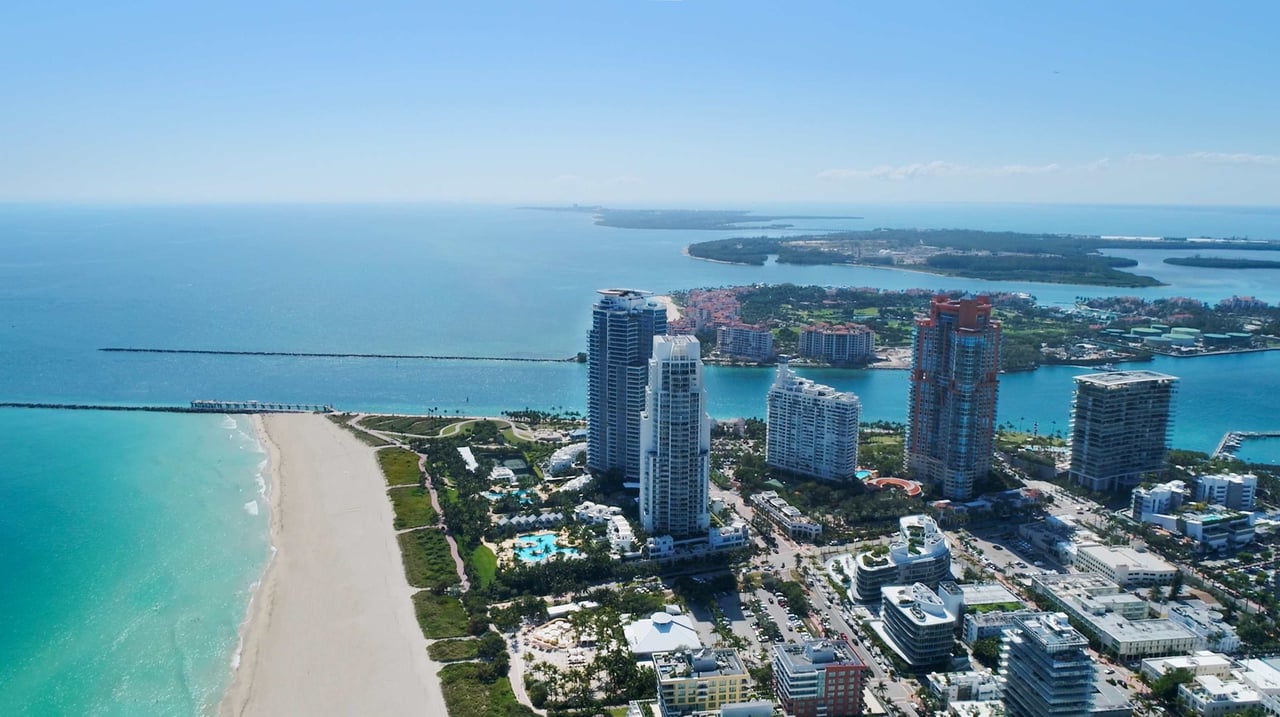
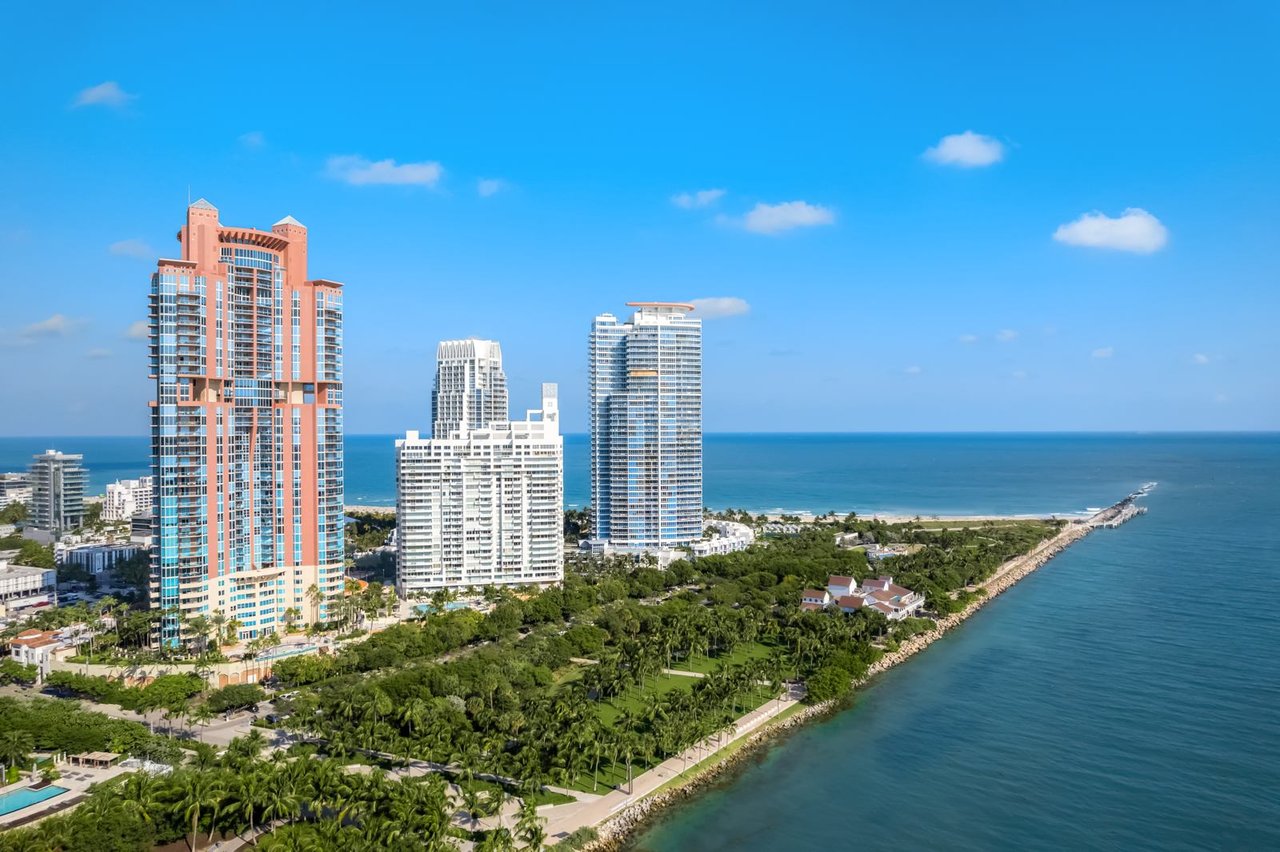
| Portofino, 300 South Pointe Drive | 1997 | 2022 | Already had a completed milestone inspection to build the SIRS numbers on |
| Continuum, 50/100 South Pointe Drive | 2002 | 2027 | SIRS was written before any milestone inspection existed |
| Il Villaggio, Ocean Drive | 2003 | 2028 | Same gap: SIRS preceded the first milestone report |
| Apogee, 235 South Pointe Drive | 2008 | 2033 | Same gap, further from its first milestone |
Portofino crossed its 25-year milestone threshold back in 2022. By the time its engineers sat down to write the 2025 SIRS, they had an actual, recent structural inspection to check their numbers against. Continuum, Il Villaggio and Apogee don't hit that same 25-year line until 2027, 2028 and 2033. Their SIRS documents, filed by the same December 2025 deadline, were built without a milestone inspection to lean on. The reserve math still had to happen. It just rested more on engineering estimates of remaining useful life than on a fresh, physical assessment of the building's actual condition.
What a milestone inspection actually buys you
This isn't a knock on the newer buildings. It's a gap in the paper trail that a buyer can close with one question: has this building already had its milestone inspection, and does the SIRS reference its findings?
An association that completed both documents in sequence, inspection first, then reserve study, is working from harder data. One that filed a SIRS ahead of its first milestone inspection is making a good-faith projection that will get tested when the actual inspection happens in the next year or several. If that inspection turns up more deterioration than the SIRS assumed, the reserve numbers get revised, and the assessment conversation starts over.
Florida boards do have one release valve here. Under HB 913, an association that completes a milestone inspection identifying necessary repairs can pause reserve contributions for up to two consecutive budget years to redirect funds toward those repairs, with a unit owner vote required. It's a legitimate tool. It's also a reason to ask specifically whether a pause has been used or is being considered, since it changes what "fully funded" means in a given year.
Reported increases give a sense of scale. Associations catching up on previously waived reserves have raised monthly assessments anywhere from roughly $200 to $1,000 or more per unit, depending on how underfunded the prior study left them. That range is wide enough that it's worth asking for the actual number rather than assuming the building falls at the low end.
The newer building isn't automatically the safer bet
It's tempting to read the table above and conclude that Apogee, the youngest and priciest of the four, carries the least risk. That's only half true. Apogee still had to file a SIRS by the same deadline as the others, still has to fund all eight structural components at whatever level the study specifies, and still won't have a milestone inspection to check that study against until roughly 2033. Being newer buys distance from an imminent structural problem. It doesn't buy an exemption from the funding law, and it doesn't mean the reserve numbers are any more battle tested than Continuum's or Il Villaggio's.
The building-condition commentary circulating among South of Fifth brokers this year makes the same point from a different angle: Continuum's reserve position is described as solid, with the association credited for acting early on inspections and studies, while Il Villaggio, now 23 years old, is flagged as a building where reserve funding and structural inspections are current priorities and worth verifying carefully. Age alone doesn't sort buildings into safe and risky columns. Board behavior does, and the SIRS is the document that shows you which behavior you're buying into.
There's also a compliance consequence that reaches past the HOA statement. Insurance carriers, including Citizens Property Insurance, are reported to be declining to issue or renew policies for buildings without a completed SIRS and milestone inspection on file, and Atesa Risk Advisors reports that associations must submit SIRS data to the state's Division of Condominiums within 45 days of completion, where it becomes visible to lenders and insurers. A building's compliance status is no longer something only the board and a handful of owners know.
What to ask for before you write an offer
Skip the general questions about HOA fees and go straight to the documents that show where a specific building actually stands.
- The completed SIRS report itself, not a summary, including the funding percentage for each of the eight structural components
- Confirmation of whether a milestone inspection has already been completed, and if so, whether the SIRS was written after it
- The 2026 budget line showing reserve contributions for structural items, and whether any temporary funding pause is in effect
- Insurance renewal status, since a lapsed or declined policy tied to compliance gaps is now a real possibility rather than a hypothetical
- Whether the completed SIRS is available for review on request or through the building's resident portal. If a board can't produce it quickly, treat that as its own answer
None of this shows up in a price-per-square-foot comparison. It shows up in the next special assessment notice, and by then you're not comparing two listings anymore. You own one of them.
A few direct questions
Does a newer South of Fifth building mean a smaller chance of a special assessment? Not automatically. Every building three stories or taller had to file a SIRS by the same December 2025 deadline regardless of age, and all eight structural components must now be fully funded. A newer building is further from its first milestone inspection, which means its numbers are less battle tested, not necessarily lower.
Can an association still vote to waive reserve funding if owners agree? No, not for the eight components a SIRS identifies. HB 913 removed that option for budgets adopted on or after January 1, 2025. The one exception is a temporary, board-approved pause of up to two years tied specifically to redirecting funds toward repairs found in a milestone inspection.
Where can I actually see a building's SIRS before I make an offer? Ask the seller's agent or the association directly for the completed report. Boards must also submit their SIRS data to the state's Division of Condominiums within 45 days of completion, so a building that has filed will have a paper trail even if the document itself takes a few days to produce.
Comparing South of Fifth condos on price alone was never the whole picture, and this year it's a smaller piece of it than usual. If you're weighing two towers that look identical on paper, Adrian Burke can walk through the actual reserve documents with you before you write an offer. Book a private consultation and get the numbers that matter, not just the ones on the listing sheet.
This article is general information, not legal, tax or financial advice. Consult a qualified professional about your situation.