Ask anyone visiting Miami Beach for the first time when stone crab season begins, and they will tell you October 15. It is on every menu, every food blog, every countdown clock a seafood website bothers to build. The date is real. It is also not the date that matters if you already live within walking distance of Washington Avenue.
The neighborhood runs on three separate stone crab calendars at once, and they do not open on the same morning. Knowing which one you are actually on, and which one the person next to you at the bar thinks they are on, is the difference between a two hour wait and a Tuesday lunch.
The window that never really closed
For most of its history, Joe's Stone Crab did something that would be unthinkable for almost any other business with a hundred-year run: it closed. Not reduced hours, not a skeleton crew. Closed. Every spring, after May 1 ended the legal harvest window, the dining room at 11 Washington Avenue went dark until October. That was the rhythm for generations under the Weiss family, who opened the original lunch counter in 1913 before Miami Beach was even incorporated.
That changed in 2020, when owner Stephen Sawitz kept Joe's Take Away running through the summer for the first time in the restaurant's history, sourcing a previously frozen claw of the same quality standard rather than shutting the counter entirely. The shift stuck. Joe's own menu language now describes stone crab claws as available year round, with the fresh, in-season product returning each October 15 and a frozen version filling the gap the rest of the year. Sawitz has described the summer takeaway operation as a kind of rehearsal, the quiet lead-up to what he calls the main event of the October reopening.
Last summer, Joe's went further and lowered prices as the off-season began, a decision Sawitz tied directly back to a line he says he heard from his mother growing up in the restaurant, about the meal being something anyone should be able to afford regardless of where they came from. It is a small business decision, but it tells you something about how the operation actually thinks about its slow months. The takeaway window is not an afterthought waiting for real business to resume. It is a second, quieter storefront that never fully powers down.
So the first calendar, the one most visitors never learn exists, is this: the counter next to Joe's has effectively been open the entire time you were reading roundup articles about when stone crab season starts.
A one day gap that tells you something
The second calendar belongs to the retailers who actually stock fresh claws once the fishery reopens, and it does not line up perfectly with the legal season either.
Florida's stone crab harvest is regulated to run from October 15 through May 1. That date governs when boats are permitted to pull traps, not when a claw physically lands on ice at a counter. Milam's Markets, which carries fresh Florida stone crab claws across its stores, lists this year's fresh claws running through May 2, 2026, with the new season's claws not back on shelves until October 16, 2026. One day after the legal opening.
That single day is the gap between a regulation and a supply chain. A boat can leave the dock at midnight on October 15, but claws still have to be sorted, iced, and distributed before they reach a retail case. Restaurants with direct fishermen relationships, like Joe's, can often serve fresh claws the same day or the day after the season opens because the product moves straight from boat to kitchen. A grocery counter, even a good one, is one more link down the chain.
If you are the kind of resident who wants to be eating the first fresh claws of the season rather than the first available ones, this is the detail that actually matters. The restaurant table beats the retail case by roughly a day most years, for reasons that have nothing to do with quality and everything to do with logistics.
Three doors, three timelines
Put together, a resident deciding how to handle this year's opening is really choosing among three access points that do not share a start date.
- The takeaway window. Already open. Has been all summer, serving a previously frozen claw that Joe's positions as full quality rather than a lesser substitute. This is the option for anyone who wants stone crab this week, not in two months.
- The dining room. Reopens October 15, the same day the fishery legally opens, with fresh claws typically available from day one or close to it, depending on how quickly the boats deliver.
- The retail counter. A day behind the dining room in a typical year, based on Milam's own posted dates, because product has to move through distribution before it hits a shelf.
None of this requires standing in a line to figure out. It just requires knowing that the neighborhood's most famous seasonal marker is really three markers stacked close together, and the crowd chasing the October 15 headline date is usually chasing the slowest of the three doors, the one where a table might not be available even if the claws are.
For residents who want an alternative to both the wait and the retail lag, there are direct-from-the-water options that skip the restaurant reservation entirely. George Stone Crab, run by owner Roger Duarte since 2009, sources claws straight from Florida Keys fishermen and delivers locally in Miami in addition to shipping nationwide, with large claws running $54.99 a pound and a pound yielding roughly four to five claws. It is not the historic dining room experience, but it solves the same problem: getting fresh claws into your hands without competing with the crowd that only knows the one date everyone else printed.
The through-line
None of this is really about crab. It is about how a neighborhood's most visible seasonal ritual can look, from the outside, like a single light switch flipping on October 15, while everyone who actually lives here knows it is closer to three separate dimmer switches, each turning up on its own schedule.
The visitor version of stone crab season is a countdown clock and a reservation scramble. The resident version is knowing the takeaway window down the block never really stopped, that the retail case will lag the dining room by about a day most years, and that there is a direct line to the Keys if you would rather skip both. That is the actual shape of the ritual, and it is the kind of detail you only pick up by paying attention to a place over several Octobers rather than reading about it once in October.
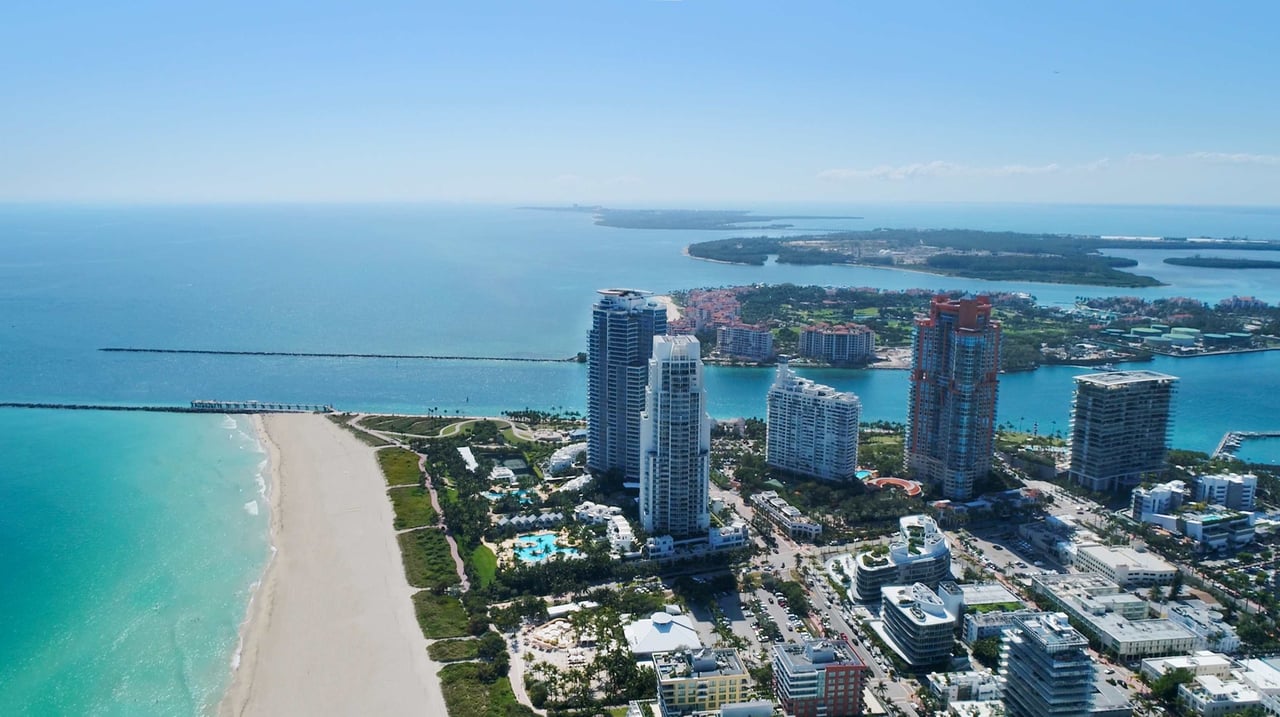
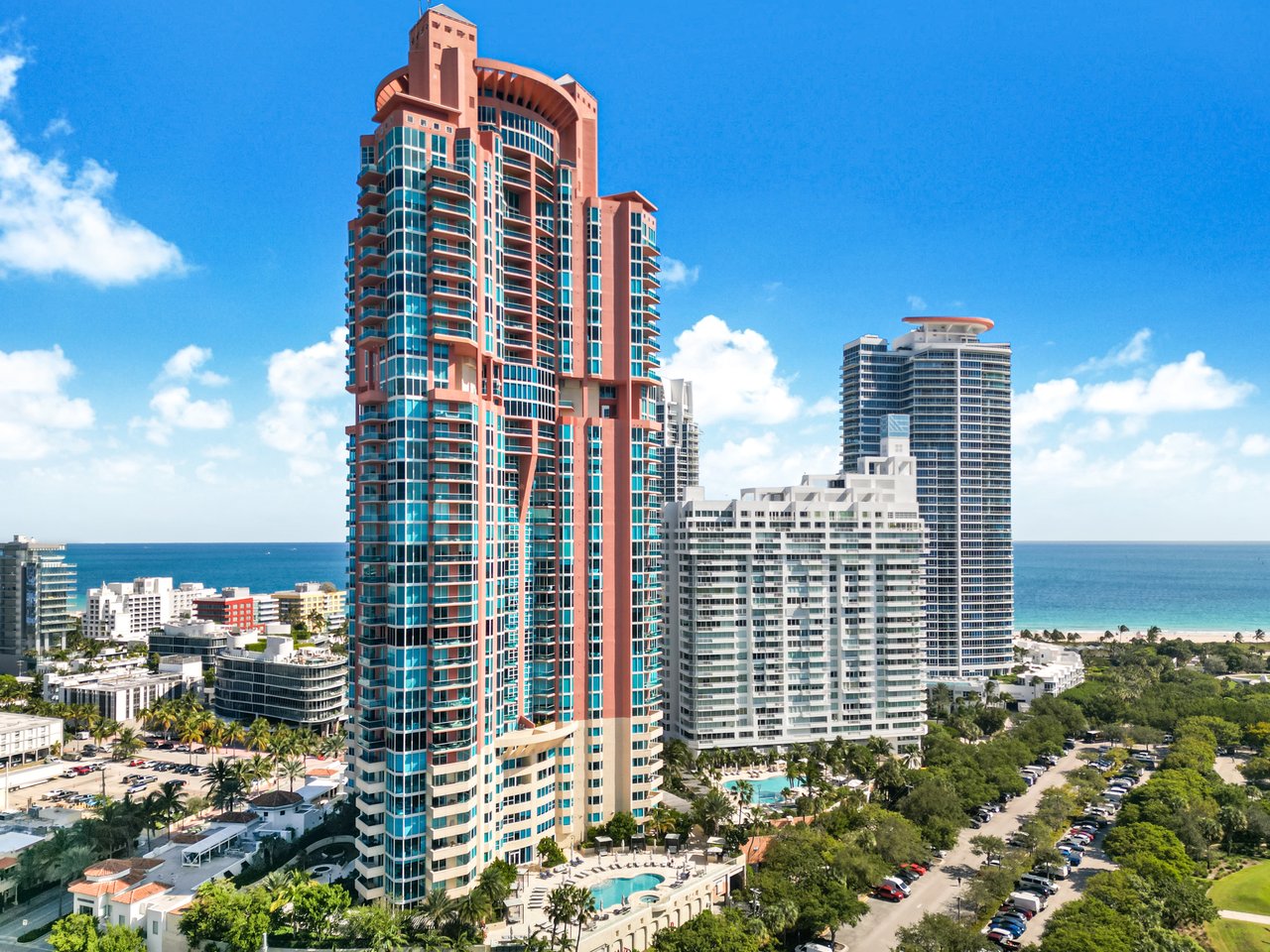
That is also, in miniature, what living in South of Fifth tends to teach you about the neighborhood generally. The headline version of any local fact, whether it is a restaurant opening or a market date, is usually the version aimed at people passing through. The version that actually helps you plan your week is a layer underneath it, and it rewards the kind of attention that only comes from being here long enough to notice the gap.
If you are weighing a move to this stretch of Miami Beach, or you already call it home and want a market read from someone who tracks these details as closely as the dinner reservations, Adrian Burke works this neighborhood year round. Book a Private Consultation to talk through what is actually happening on your block, not just what the headlines say.
This article is general information, not legal, tax or financial advice. Consult a qualified professional about your situation.