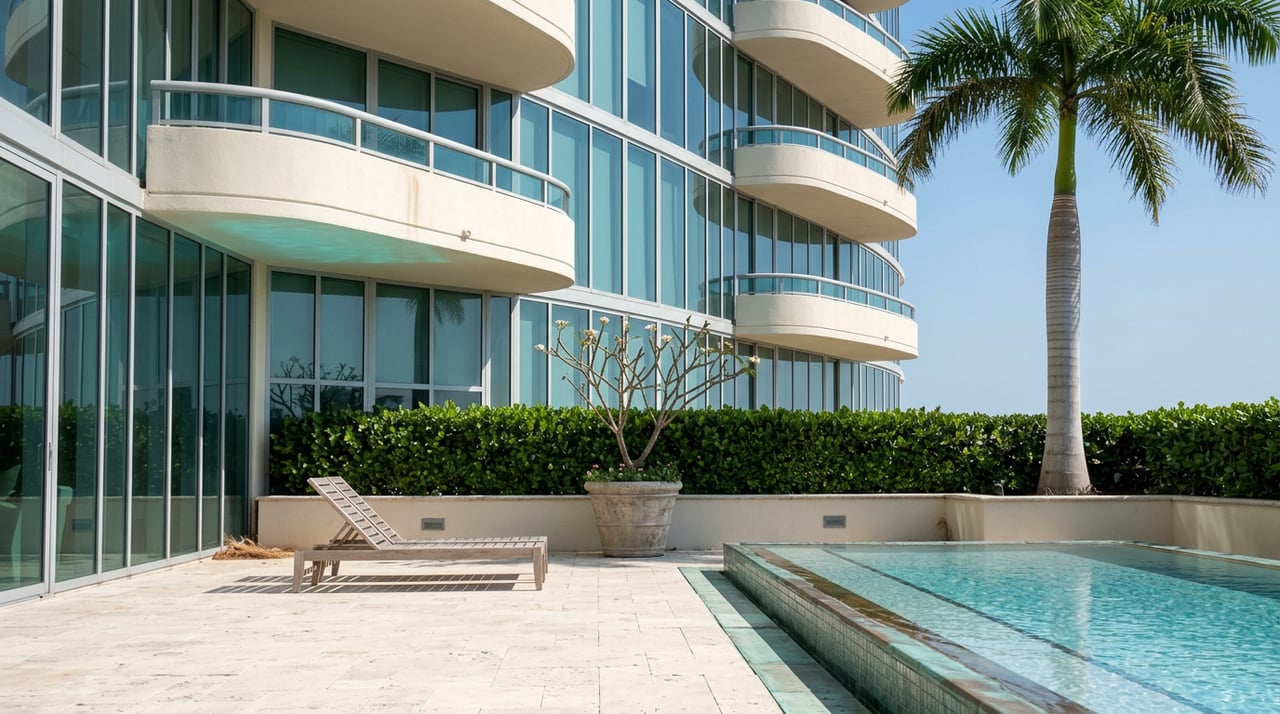
A buyer signs a contract on a unit in one of South of Fifth's flagship towers. The deposit wires. The moving truck gets booked. Then, three weeks before closing, the lender calls. The building didn't clear a new underwriting review the loan needed to pass. The financing is dead, and the closing date goes with it.
That sequence is playing out across South Florida this fall, and mortgage brokers say the pattern is consistent: buyers find out their building has a problem only after a lender pulls the file apart, not before. It's the direct result of a rule change that took effect on August 3, 2026, and it lands with unusual weight in a neighborhood where nearly all of the marquee addresses were built two decades before anyone wrote these rules.
What Changed on August 3
Fannie Mae retired its Limited Review process for condo mortgages. Freddie Mac retired its equivalent Streamlined Review. Both allowed lenders to approve a conventional loan in a large, seemingly healthy building without digging into the association's finances line by line. As of August 3, that shortcut is gone for most transactions. Every conventional mortgage now goes through a full review of the condo association unless the project qualifies for a waiver, and the waiver is narrow: buildings of 10 units or fewer.
A second change is coming behind it. Starting with full-review loan applications dated January 4, 2027, a building's reserves have to reach at least 15 percent of its annual budgeted income, up from the prior 10 percent threshold. Buildings that don't meet it risk falling off the list of properties Fannie and Freddie will back at all, joining what has already grown into roughly 700 ineligible buildings across Miami-Dade, Broward, and Palm Beach, close to double the count from two years earlier.
None of this means a building is unsafe. It means a lender has to prove the association's math holds up before it will sell the loan on the secondary market, and Florida's condo stock, much of it built before anyone budgeted this way, is now getting checked against a standard it was never built to meet on paper.
South of Fifth's Skyline Wasn't Built With This in Mind
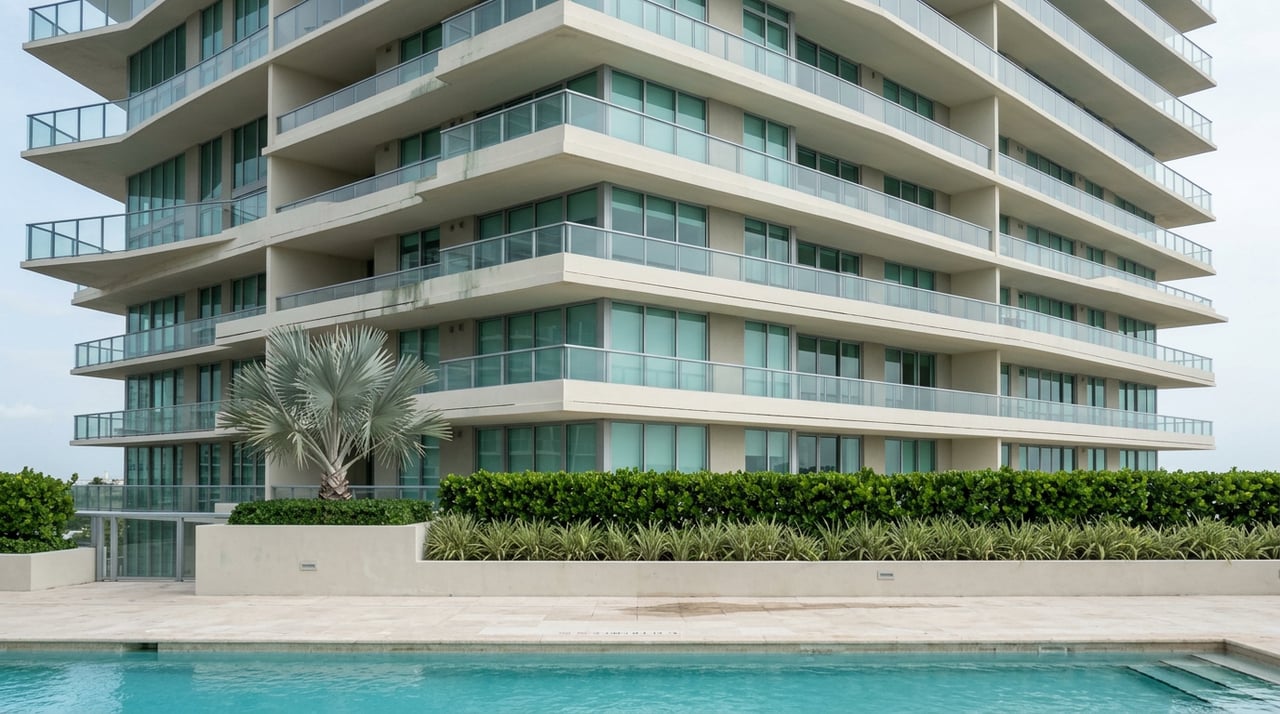
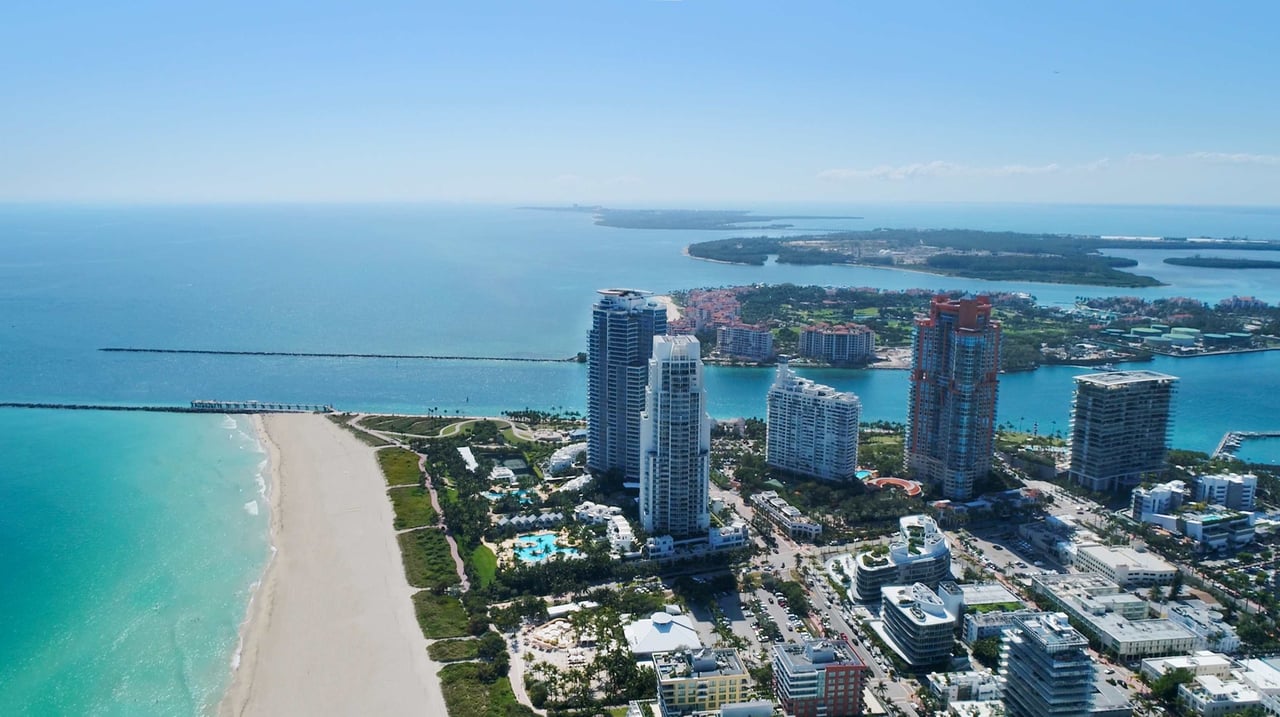
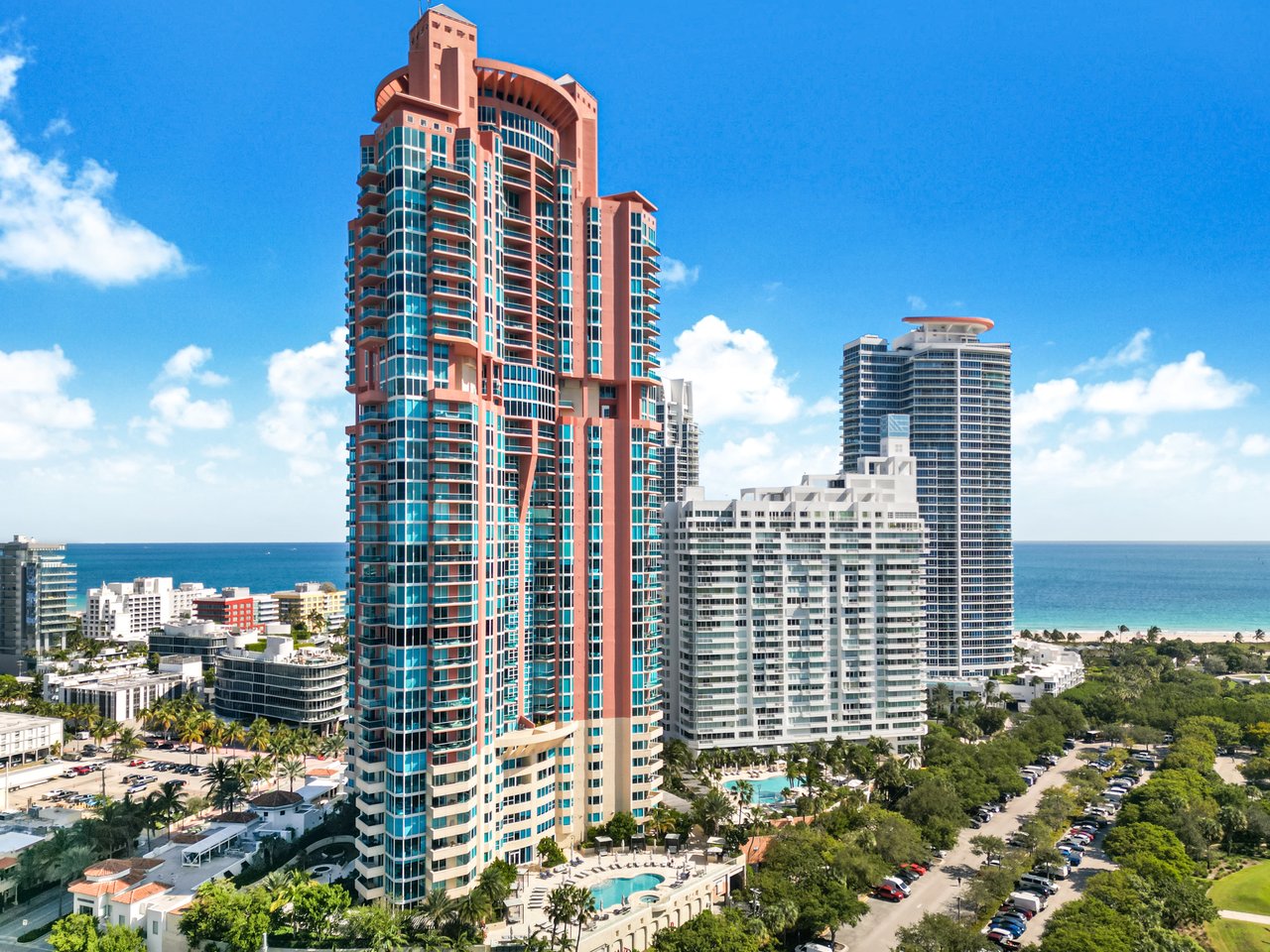
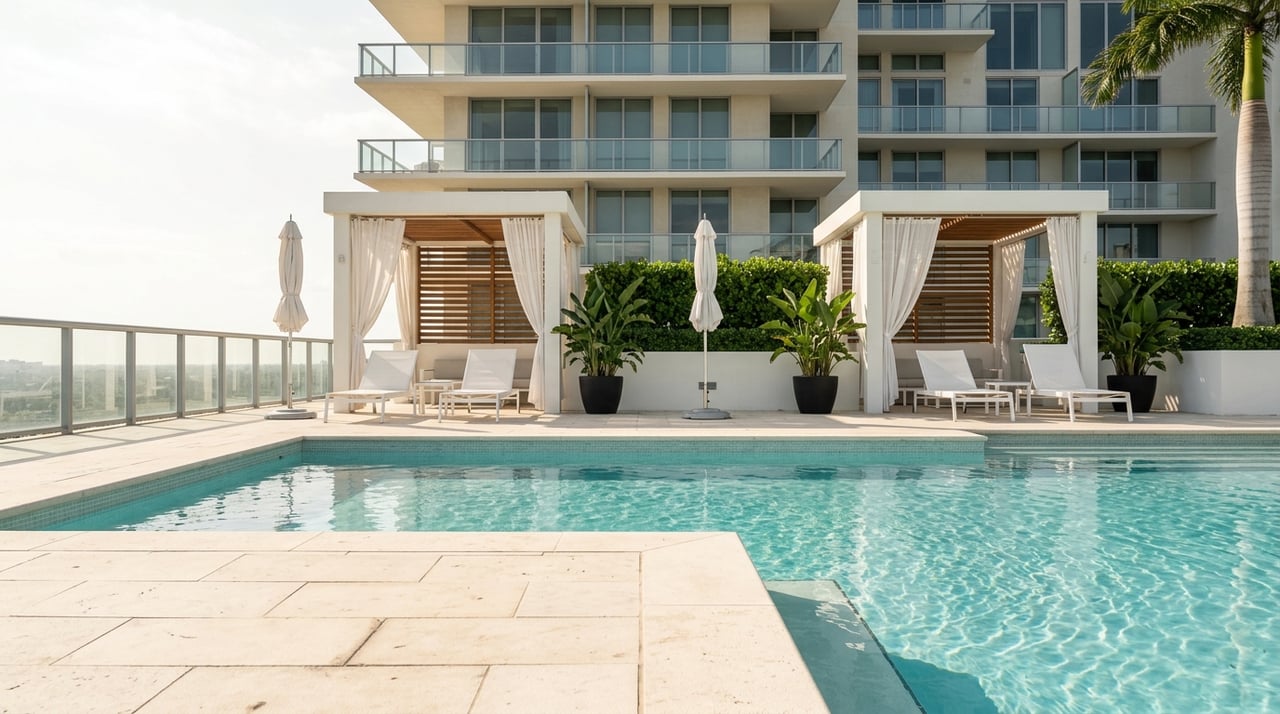
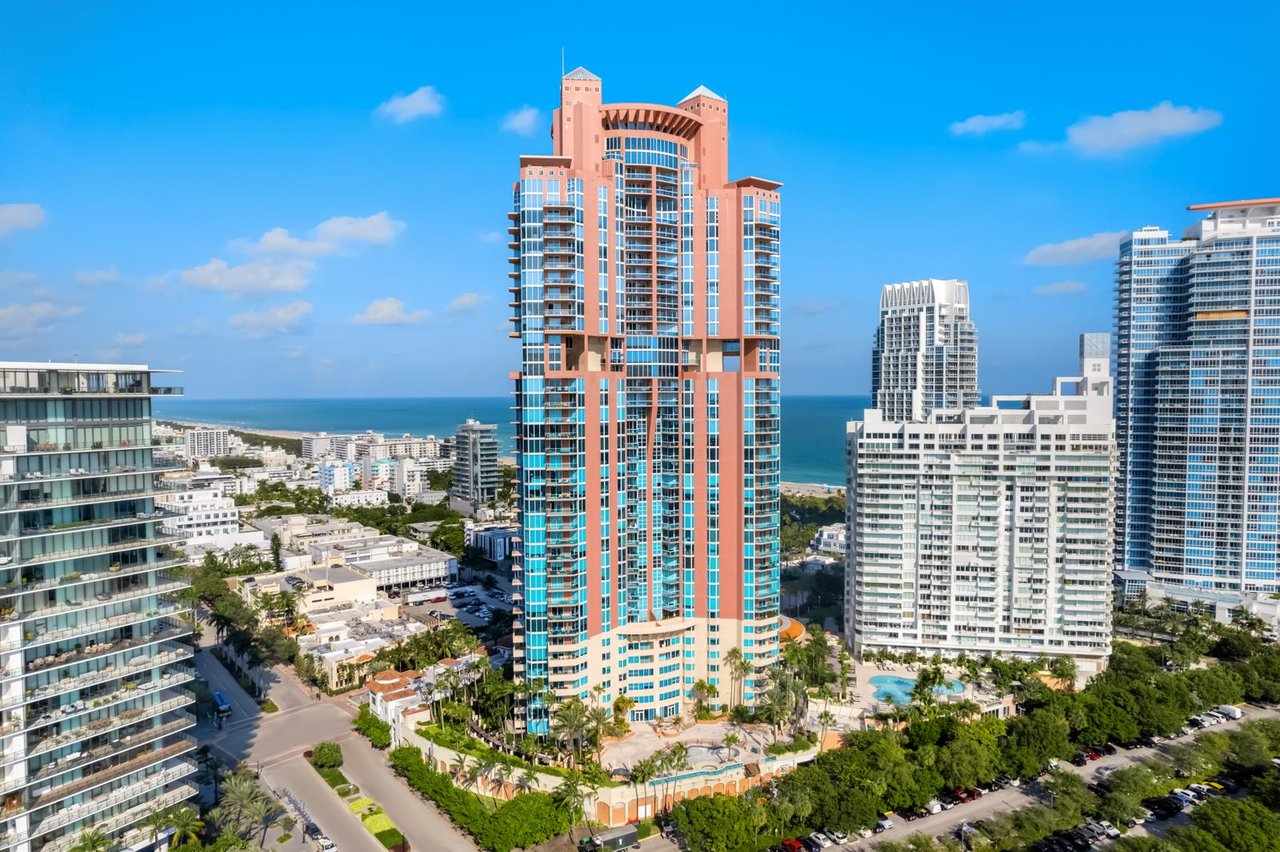
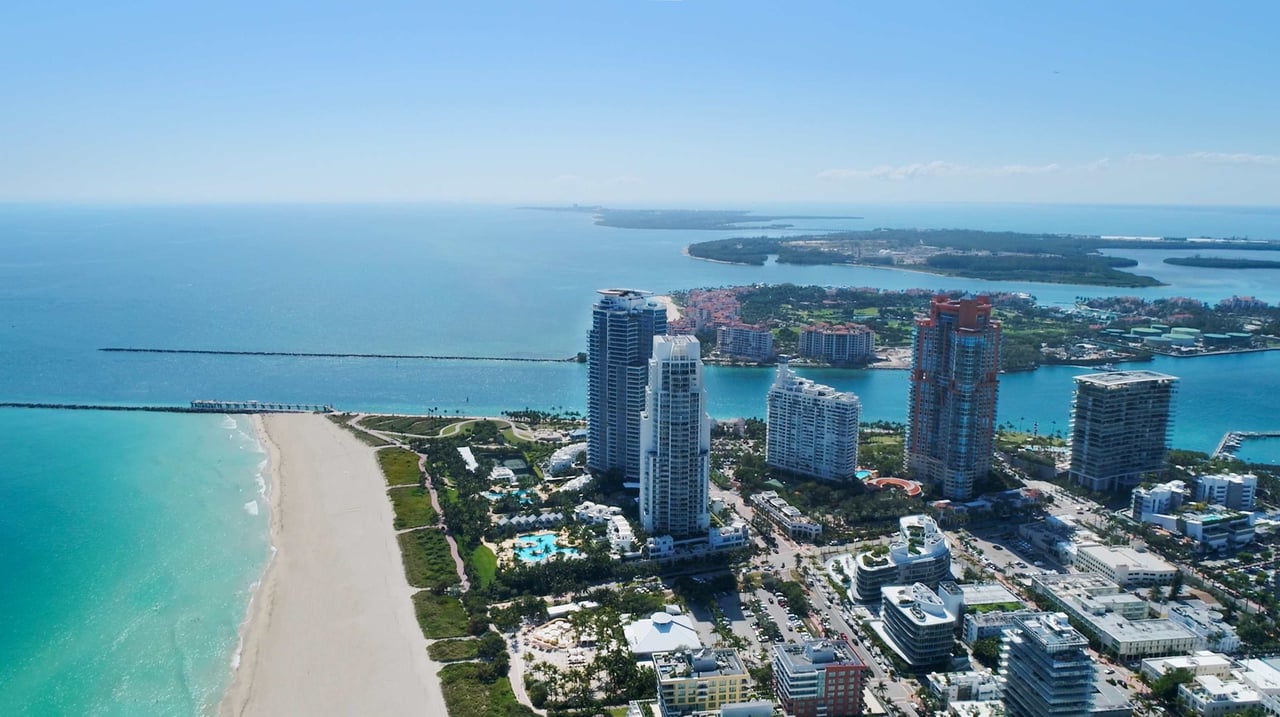
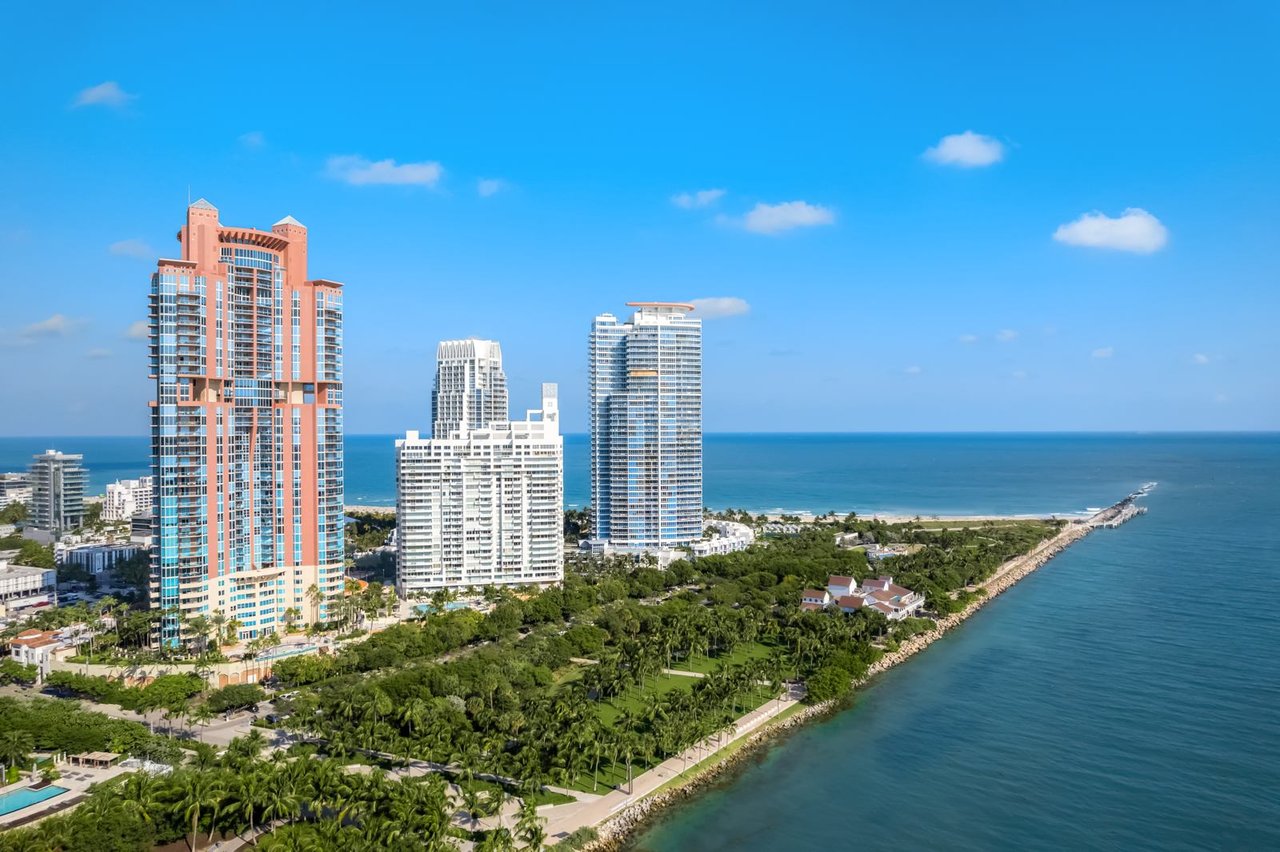
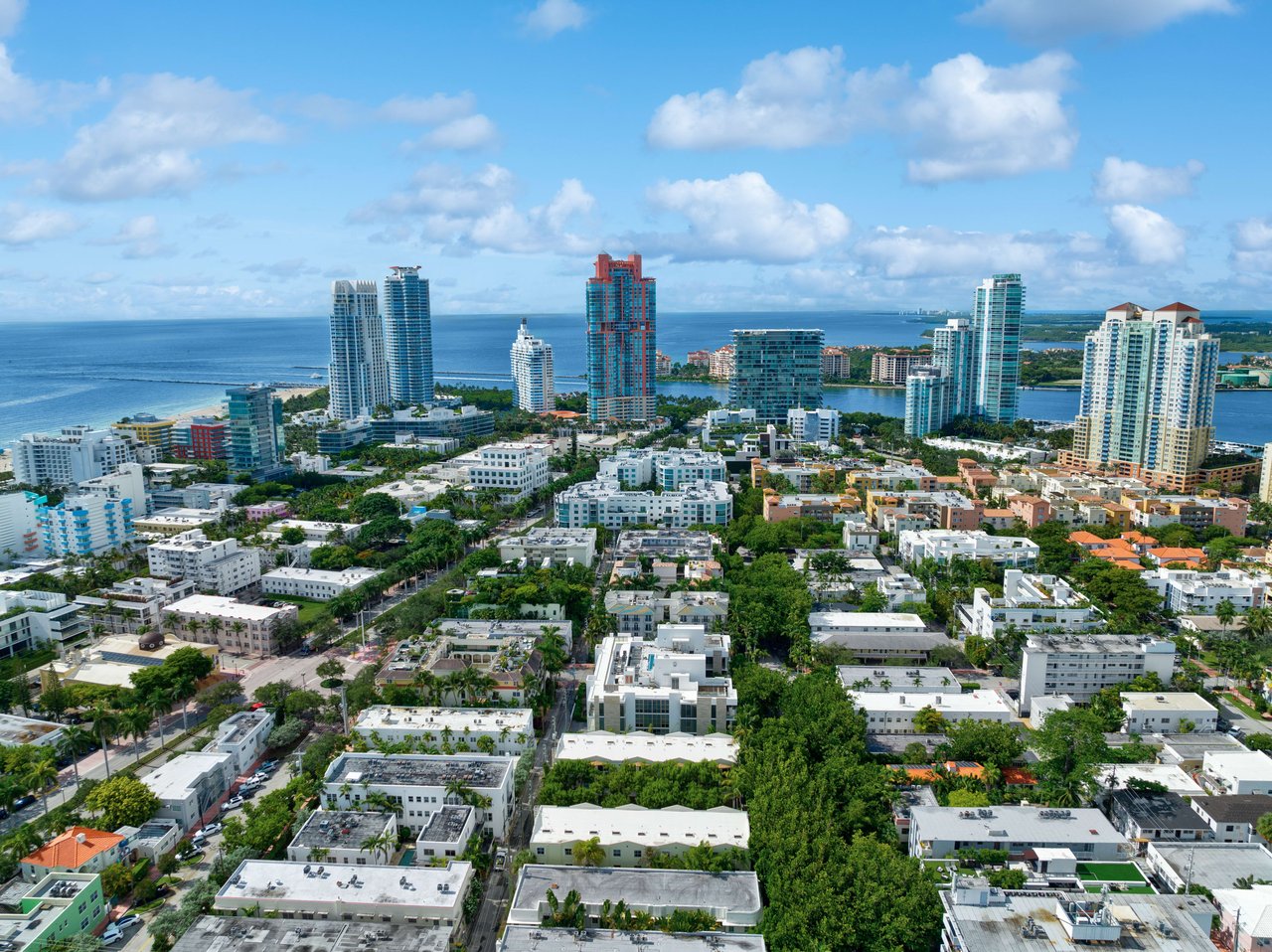
South of Fifth's most recognizable towers are almost entirely a product of the 2000s building boom on this stretch of shoreline. Continuum's South Tower opened in 2002 and its North Tower in 2004, together forming the 12-acre oceanfront compound that still anchors the neighborhood's skyline. Apogee, the 67-unit boutique tower at the tip of South Pointe Drive, was delivered in 2008. Murano Grande and Murano at Portofino belong to the same era of large-scale, full-service construction that defined SoFi's build-out.
Every one of those buildings has hundreds of units, which means none of them qualify for the 10-unit waiver. Every mortgage application in them now runs the full gauntlet: budgets, reserve studies, funding history, all of it.
Contrast that with Glass, the 10-residence tower on Ocean Drive completed in 2011. Its unit count alone puts it under the waiver threshold, regardless of age or reserve position. A building's exposure to this new underwriting reality has less to do with how well it's run and more to do with an accident of geometry: how many units share the declaration.
The Cash Number That Already Told This Story
Long before August 3, South of Fifth was already unusual. A review of Miami-Dade County Property Appraiser records shows cash accounted for roughly 90 percent of closed sales in the neighborhood's tracked buildings, compared with about 82 percent across Miami Beach as a whole. A separate quarterly analysis of the SoFi market found average absorption running around five months, against roughly six and a half months for Miami Beach overall.
That gap looks backwards at first. A neighborhood averaging $4.0 million to $4.5 million per sale, with pricing effectively flat around $1,900 per square foot from 2024 into 2025, should have a smaller buyer pool and slower turnover than the broader market, not faster. It moves faster because the buyer pool self-selected for cash years before the mortgage rules caught up to it. Financing was never the bottleneck here the way it is elsewhere on the beach, because most of the people writing offers weren't relying on a lender's full review to begin with.
The new rules don't create SoFi's cash culture. They confirm why it built up in the first place, and they widen the gap for anyone who still plans to finance.
Before and After, in Practice
| Before August 3, 2026 | Now | |
|---|---|---|
| Review required | Limited or Streamlined Review common for many buildings | Full review required unless a waiver applies |
| Waiver | Not applicable | Projects of 10 units or fewer |
| Reserve threshold | Roughly 10% of budgeted income, loosely enforced | 15% of budgeted income, enforced on full-review applications dated January 4, 2027 and after |
| Where a decline surfaces | Sometimes flagged early | Often discovered weeks into a signed contract |
What to Ask Before You Write an Offer
If a mortgage is part of the plan, the highest-value step in a South of Fifth purchase now happens before the offer, not after. Ask the listing agent or the association directly whether the building has been reviewed under the post-August 3 standard and whether it currently carries Fannie Mae or Freddie Mac warrantability. Request the reserve study and the last three years of budgets. If the building hasn't cleared full review, find out from your lender whether they'll attempt a conventional loan at all or move straight to a portfolio or non-QM product, which typically means a higher down payment and a higher rate since the lender is holding the loan rather than selling it.
There's a real upside buried in this friction for buyers who can pay cash or qualify through a portfolio lender. A building with a fixable reserve gap, one that's funding the shortfall on a documented schedule rather than ignoring it, can trade at a discount that reflects financing uncertainty rather than the building's actual condition. For a cash buyer unbothered by warrantability status, that gap is opportunity. For a financed buyer who skips the verification step, it's the contract that dies three weeks before closing.
Quick Answers for SoFi Buyers Financing a Purchase
Does a newer building mean I'm automatically safe from this? Not automatically. The rule is about reserve funding percentage, not age. A newer building with a thin reserve line can still trip the review. Older buildings simply have had more time to accumulate the deferred items lenders are now required to document.
If my building isn't warrantable, can I still get a mortgage? Often yes, through a portfolio or non-QM lender willing to hold the loan rather than sell it to Fannie or Freddie. Expect a larger down payment and a higher rate to offset the risk the lender is keeping on its own books.
Does this change how I should think about pricing if I'm selling? It changes who you're marketing to. If your building is on the more difficult side of a full review, pricing and disclosure that acknowledge the financing reality up front, rather than after a buyer's loan falls through, will find South of Fifth's already-dominant cash buyer pool faster than one that assumes a conventional mortgage will sail through.
South of Fifth has always rewarded buyers who understand a building at the level of its association, not just its address. The mortgage market just caught up to that idea. If you're weighing a purchase or a sale in one of the neighborhood's flagship towers and want a clear read on where a specific building stands, Adrian Burke can walk through it with you. Book a Private Consultation to start.