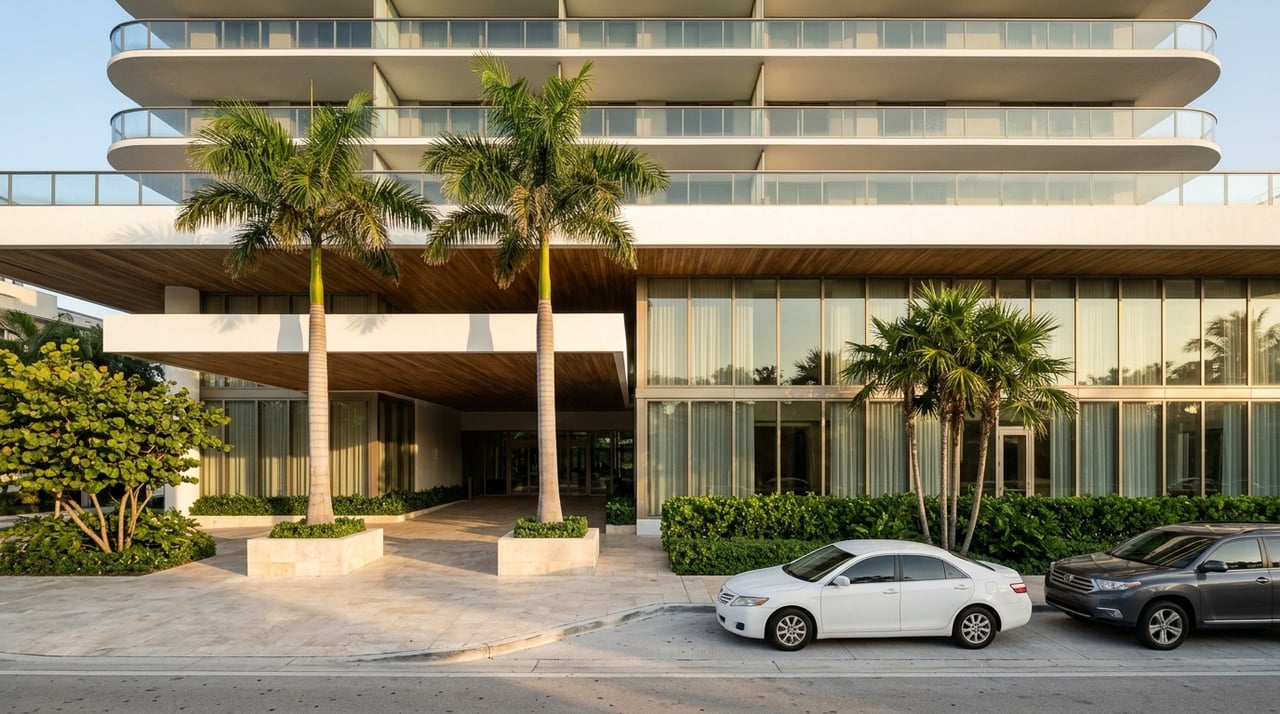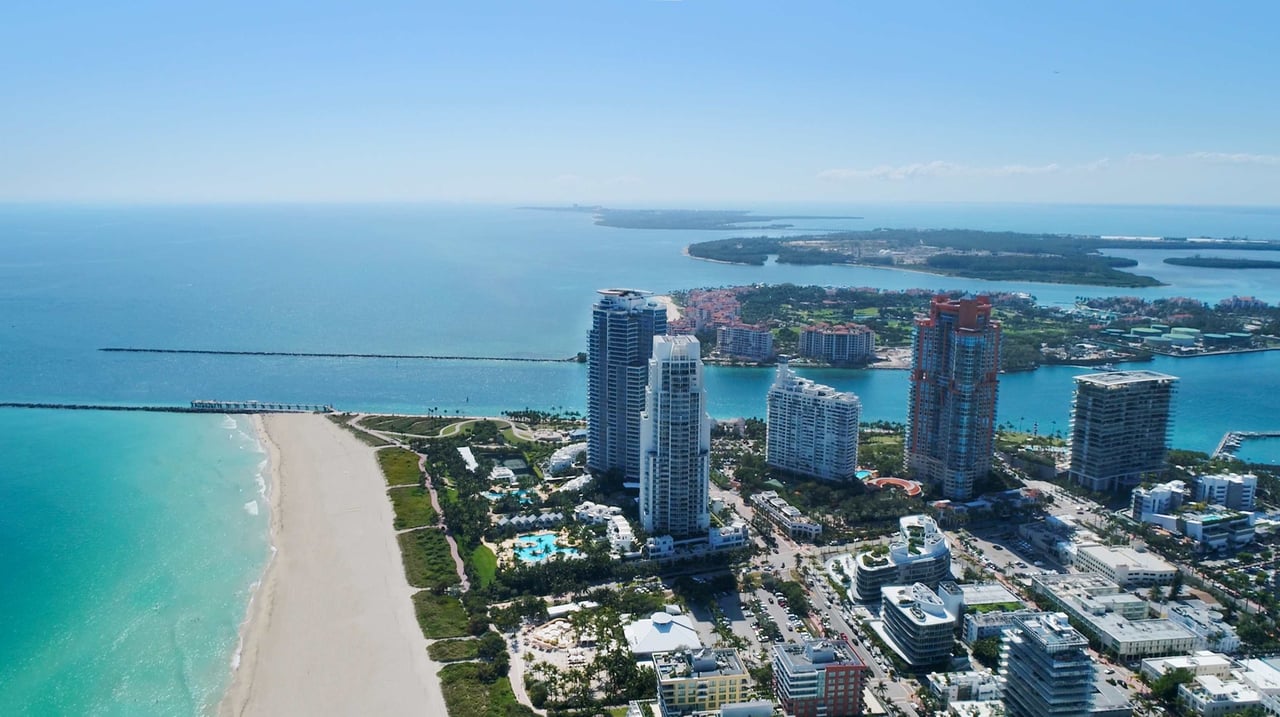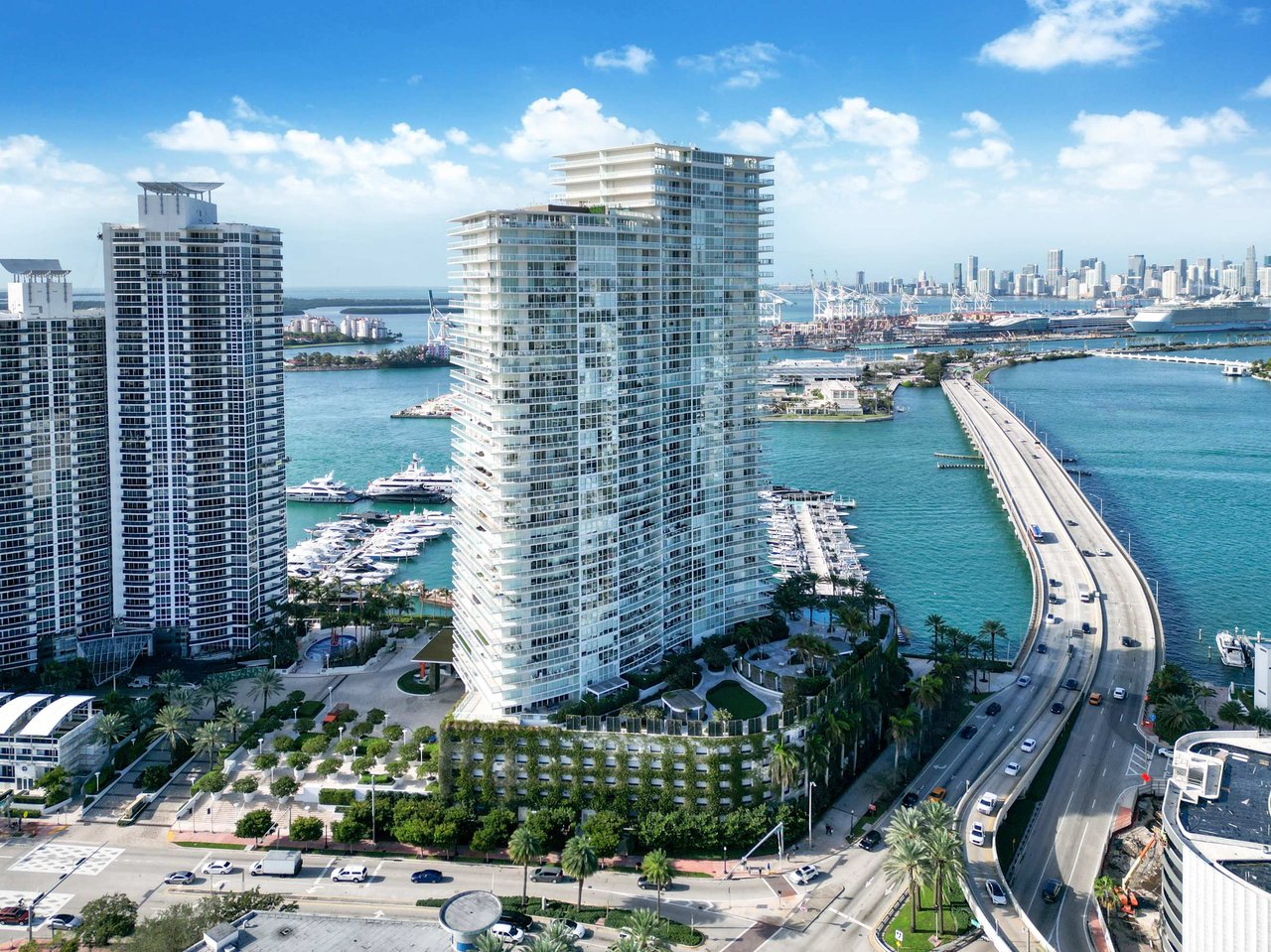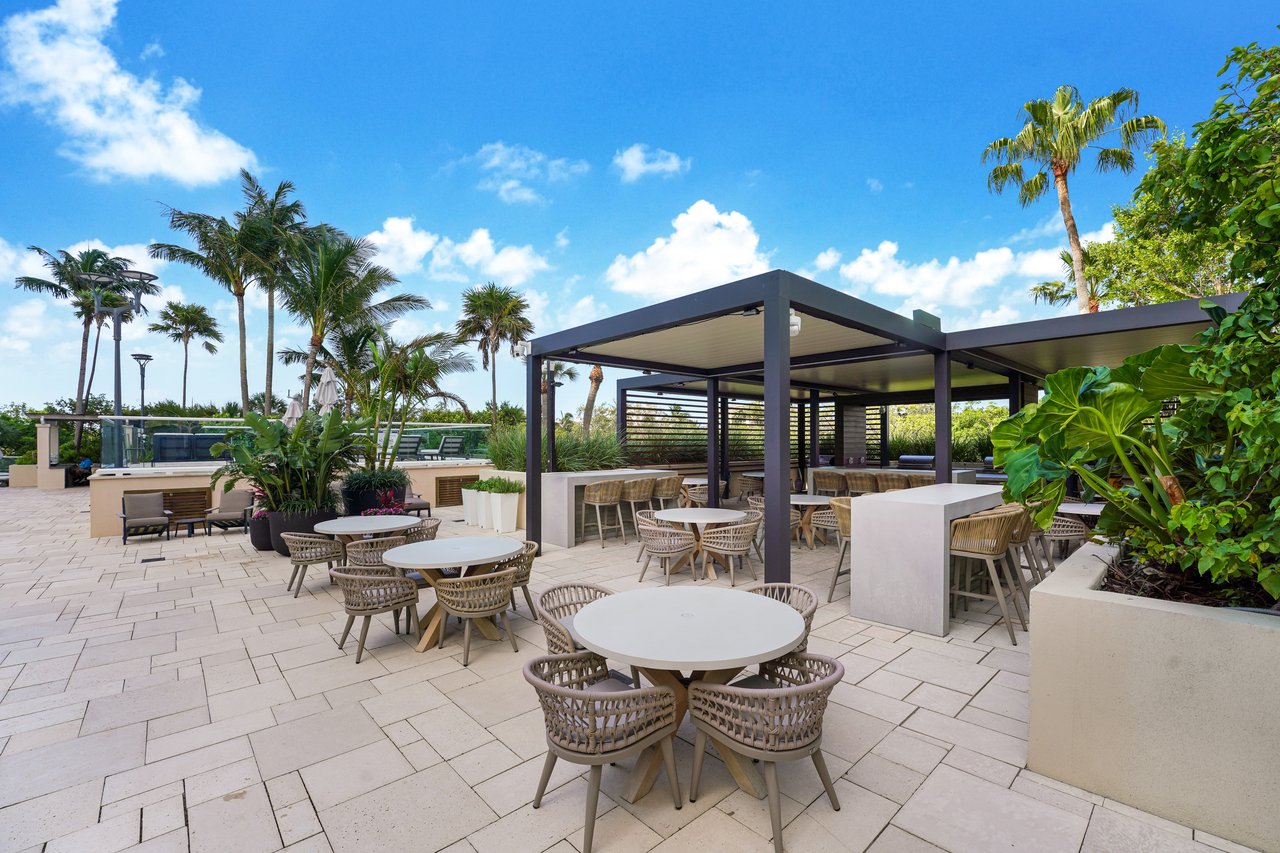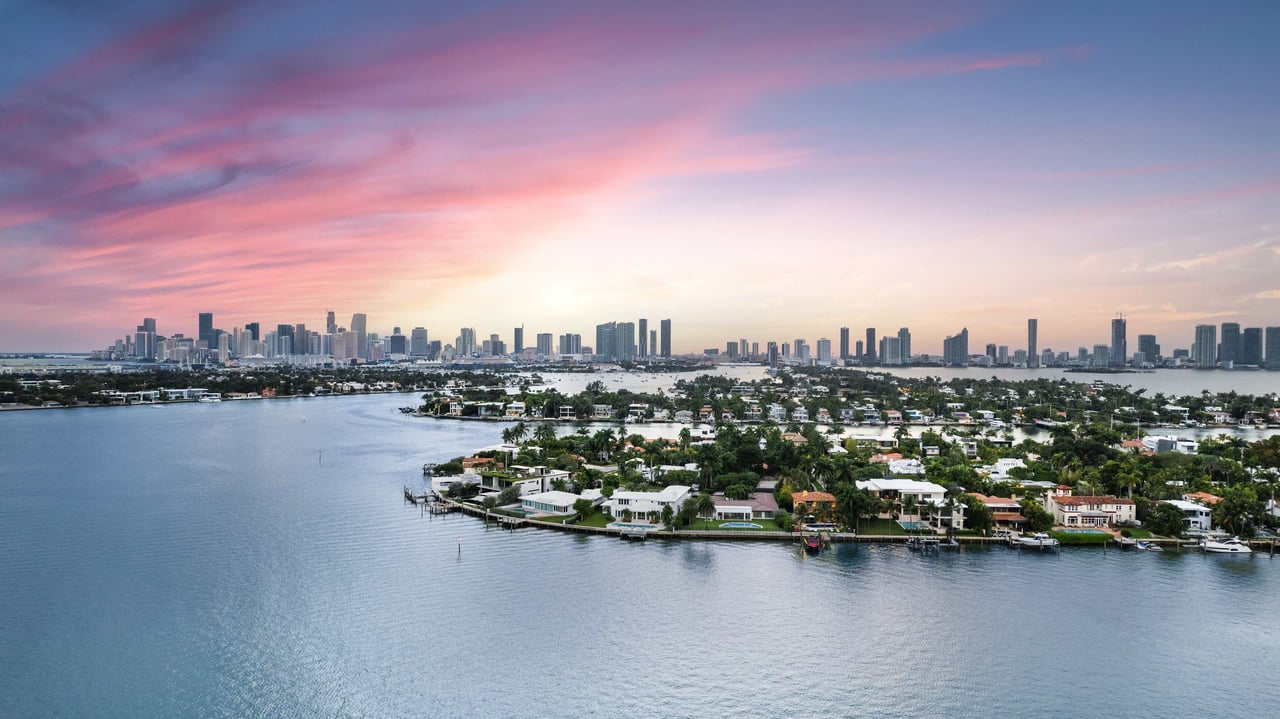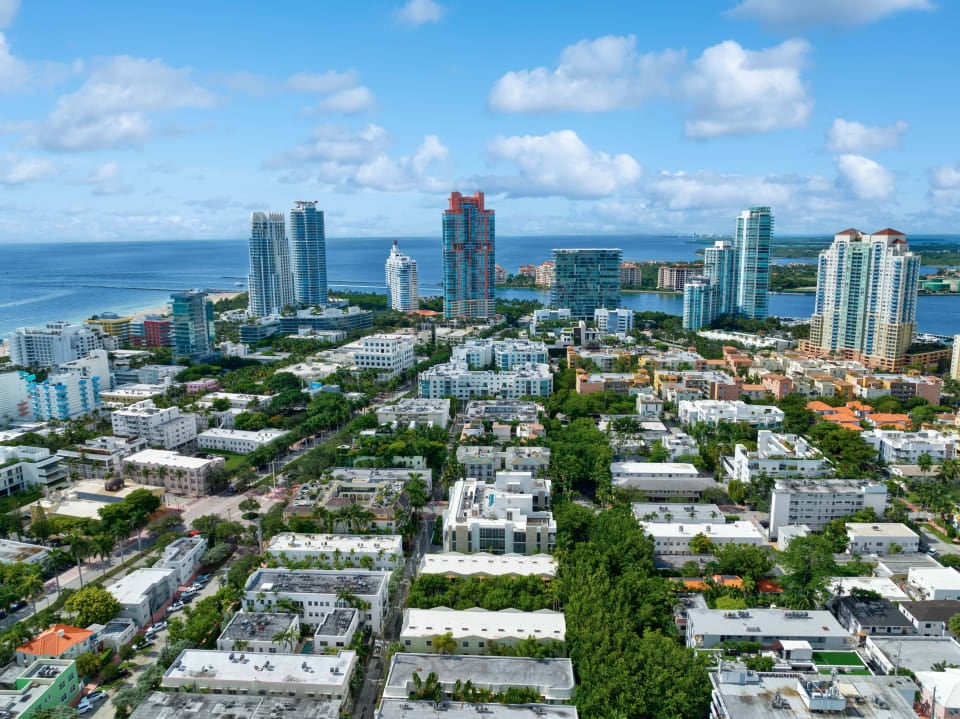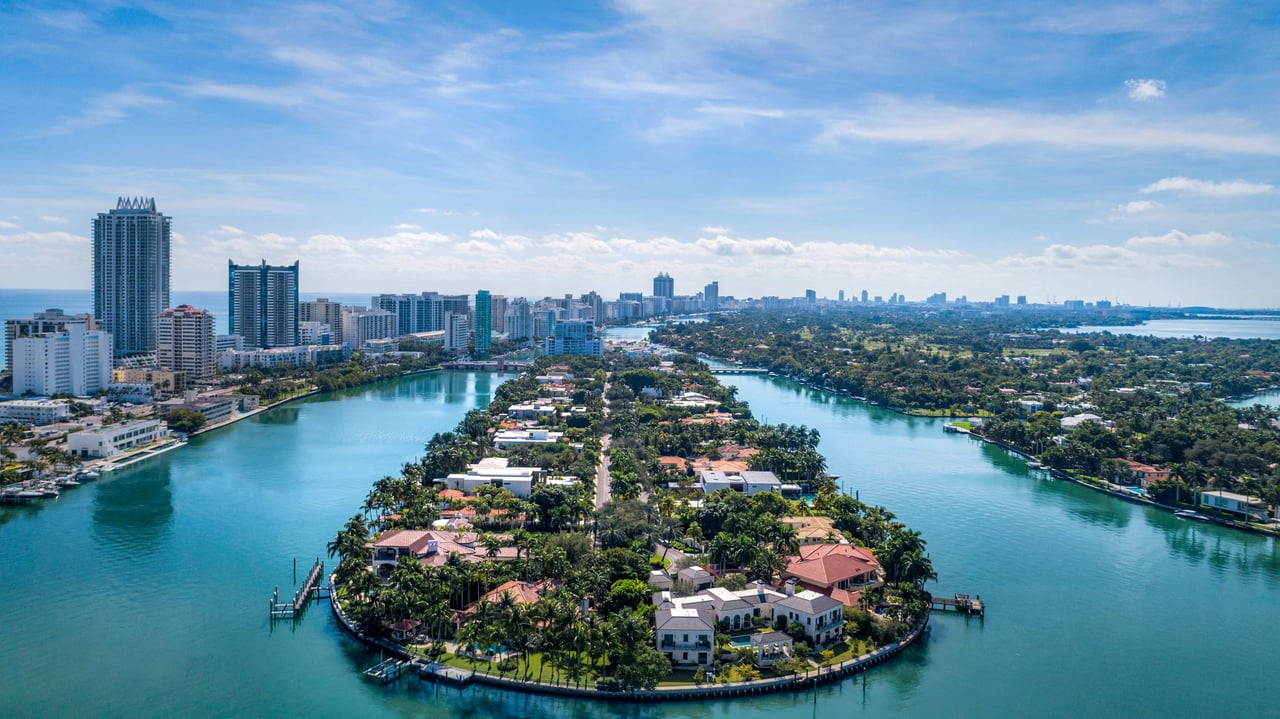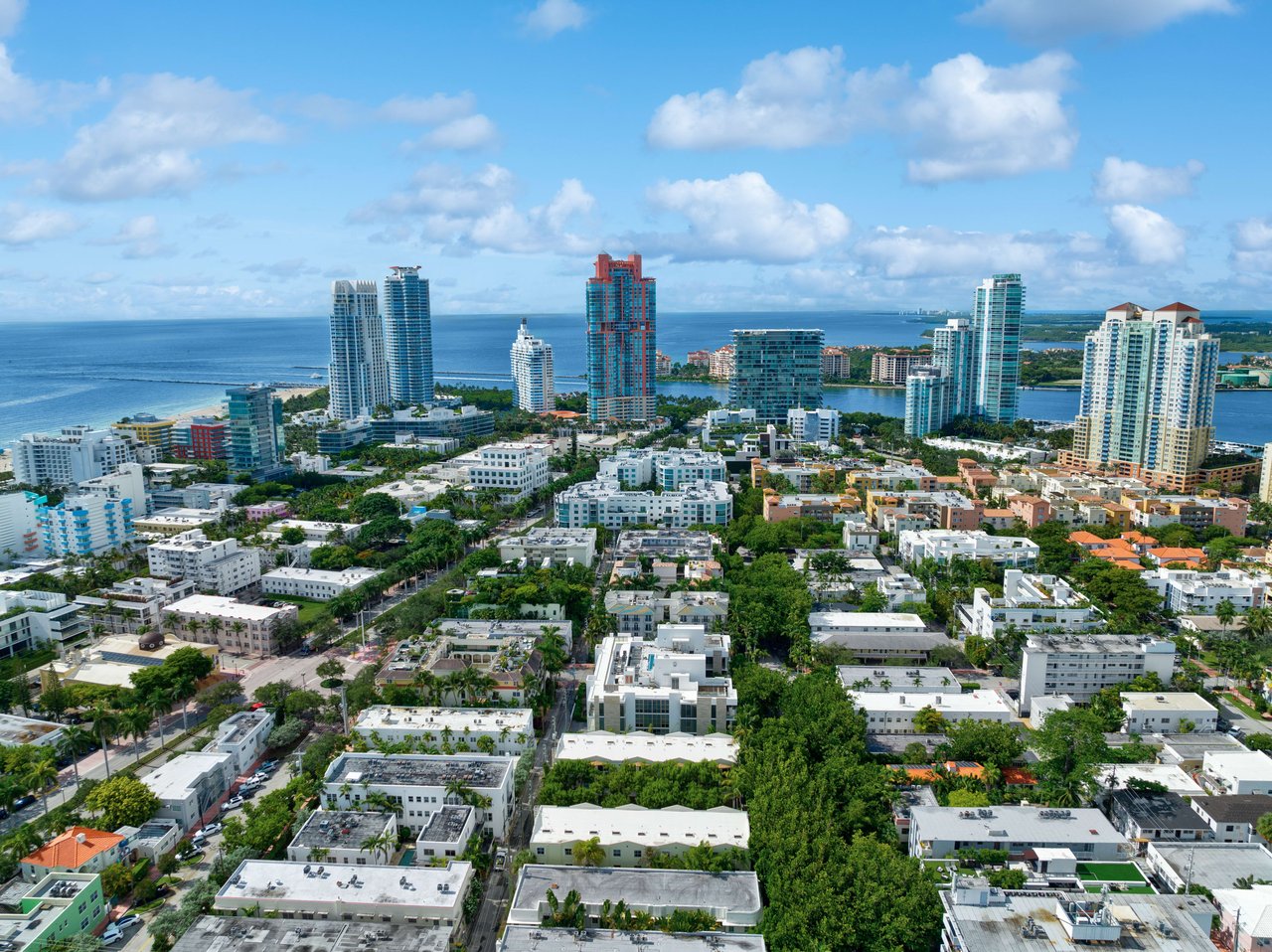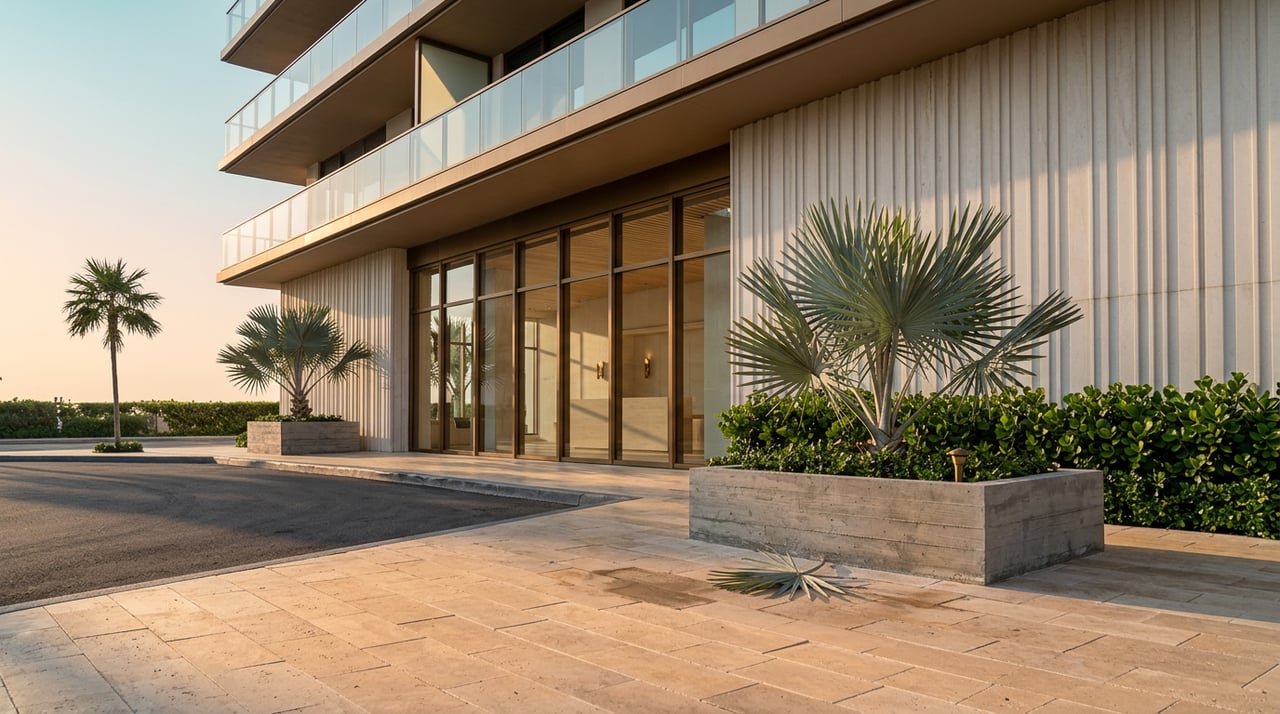
If you live south of Fifth Street, this summer is the one where the neighborhood stops being just a lifestyle brand and starts behaving like a governed residential district. Three separate decisions have landed inside a single season: a noise-enforcement pilot aimed at your block, a pedestrian bridge that will change how you actually walk to Lincoln Road, and a settlement that finally puts a date on what replaces the beach club at the end of Ocean Drive.
None of these are cosmetic. Each one rearranges a piece of daily life you have been quietly working around for years. Read together, they say something specific about where SoFi is heading, which is toward a version of itself that answers to residents first and to weekend traffic second.
The Quiet Zone pilot targets the block, not the district
On July 8, Miami Beach launched a yearlong pilot program aimed at reducing disruptive vehicle noise in one of the city's residential neighborhoods, and the new Quiet Zone Pilot Program targets excessive nighttime noise in the South of Fifth neighborhood. If you have ever stood on your balcony above Alton or South Pointe Drive at midnight and wondered whether the modified exhaust echoing off the towers was actually illegal, the answer this year is a firmer yes.
The specifics matter. The initiative is designed to curb persistent disturbances caused by engine revving, modified exhaust systems and amplified sound from vehicles during the late evening and overnight hours. Enforcement is not a new unit or a hotline. Enforcement will be carried out by Miami Beach police officers during their regular evening patrols as part of Operation Quiet Streets, and officers may issue citations under applicable state laws and city ordinances when they observe violations.
"This pilot program is aimed at the people who create so much noise with their vehicles that they become a neighborhood nuisance," said Vice Mayor Laura Dominguez, who sponsored the initiative.
The framing from Mayor Steven Meiner is worth reading closely, because it signals how the city intends to defend the pilot if the balance tips too far. Meiner said the Quiet Zone Pilot Program builds on previous efforts to address illegal and disruptive vehicle noise and provides police with another enforcement tool. That is a resident-first read of a neighborhood that has spent two decades being described as an entertainment corridor. It also runs downstream from the spring break posture, where Miami Beach Police implemented a traffic plan starting at 6 p.m. each Thursday through Sunday to reduce traffic around the South of Fifth (SoFi), West Avenue and Flamingo Park neighborhoods, with motorists accessing SoFi via Alton Road, Washington Avenue and Collins Avenue.
Put those together and you get a governance pattern. The city is treating SoFi as a neighborhood with a residential center rather than a district that absorbs whatever noise the causeway delivers.
The Buren bridge is a walking route, not a photo op
The Fifth Street Pedestrian Bridge is easy to file under public art. The renderings are colorful, the artist is famous, the press releases lean into the aesthetics. That framing misses the point for anyone who actually walks to and from West Avenue.
Here is what the bridge does at street level. The 158-foot-long enclosed bridge will span Fifth Street, providing a crucial link between the South of Fifth and West Avenue neighborhoods, and once completed, the bridge will connect the Beachwalk at South Pointe Park to the upcoming Baywalk, significantly improving accessibility for residents and visitors alike. If you have ever tried to cross Fifth Street on foot at Alton with a stroller, a dog, or grocery bags, you already know why that sentence matters.
The completion timing is the piece worth tracking this summer. Construction is expected to be completed by summer or fall 2026, and the initial project announcement from the City of Miami Beach and Terra confirmed construction for the new Daniel Buren-designed landmark began in January and is expected to be completed by the summer or fall of 2026. So the reveal is either happening now or landing before year-end.
A few facts worth having in your head the next time someone at a lobby elevator asks about the bridge:
- Designer: Daniel Buren, the French conceptual artist behind installations at the Guggenheim, the Venice Biennale, and the 260 black and white marble pillars at the Palais Royal in Paris.
- Structure: Buren's 158-foot enclosed pedestrian bridge will feature a mosaic of vibrant, translucent panels, which transform sunlight into a kaleidoscope of colors, casting dynamic patterns across the walkway and street below.
- Funding: The pedestrian bridge is partially funded by the General Obligation Bond, which was approved by Miami Beach voters in 2018.
- Developers: Terra, led by David Martin, and GFO Investments, led by Russell Galbut, alongside the City.
- Access: Designed with accessibility in mind, the bridge will feature elevators and stairs that are thoughtfully integrated into the surrounding landscaping and greenery, ensuring ease of use for all residents and visitors.
David Martin's line on the project is the one that reads correctly for owners here. "In today's market, walkability and connectivity are as valuable as views," said David Martin, CEO of Terra. "The Buren-designed Fifth Street Bridge marks a pivotal milestone for Miami Beach, enhancing the neighborhood's DNA and redefining how South Beach is experienced on a global scale. Locally, it will serve a vital function—improving walkability for residents and visitors alike, seamlessly linking Lincoln Road to South Pointe Park upon completion."
The practical effect: the eight-block gap between Canopy Park and the Beachwalk at South Pointe Park stops requiring a jog across a highway on-ramp. Whether that changes your Saturday routine or your dog walk depends on where you live, but the geometry of the neighborhood is genuinely different once it opens.
One Ocean Drive finally has a timeline
For years, the question about the southern tip of Ocean Drive was not what would be built, but when the legal fight would end. As of late May, it did.
| Date | What happened |
|---|---|
| 1985 | Jack Penrod opened a beach club at 1 Ocean Drive in 1985. Later renamed Nikki Beach in memory of his daughter. |
| 2023 | The Miami Beach City Commission awarded a new 10-year concession to Boucher Brothers and Major Food Group. |
| March 2026 | The joint venture went before the Miami Beach Design Review Board seeking the green light for a complete reconstruction of Nikki Beach, a waterfront restaurant and club at 1 Ocean Drive. |
| May 26, 2026 | A juicy lawsuit against the city of Miami Beach and Boucher Group over the redevelopment of a city-owned beachfront ended in a $3 million settlement, payable to the owner of Nikki Beach. |
| Summer 2027 – Fall 2029 | Construction is expected to start next summer and wrap up in the fall of 2029. |
The settlement details are the part most residents missed. Boucher agreed to pay $1.5 million to Penrod Brothers to settle the lawsuit, and the city agreed to pay $1.5 million, but Boucher will pay Penrod that amount directly, over time, in lieu of rent or concession agreement payments to the city. Read plainly: the city is not writing a check. It is trading forgone rent.
What replaces Nikki Beach is now defined. Boucher and Major Food Group plans call for opening a Mediterranean restaurant, Japanese restaurant, Sadelle's and beach concessions on the site of Nikki Beach, which sits on city-owned land at 1 Ocean Drive. The broader Pier Park vision, per the developers, adds 3 food and beverage concepts from MFG, offering something for everyone, a new pool, a lush, sustainable landscape crafted by Raymond Jungles, Inc., a modern health and wellness center, and a retail pavilion with designer fashion, food shops, and art galleries all exclusive to Miami.
There is a resident-facing dimension to the settlement that has not been widely reported. Boucher will also agree to partner with the Miami Beach Senior High School culinary arts program, make annual donations to every public school in Miami Beach, host 12 resident-focused events per year and provide extensive beach cleanups. Twelve resident events a year is a specific number to hold Boucher to when the doors open.
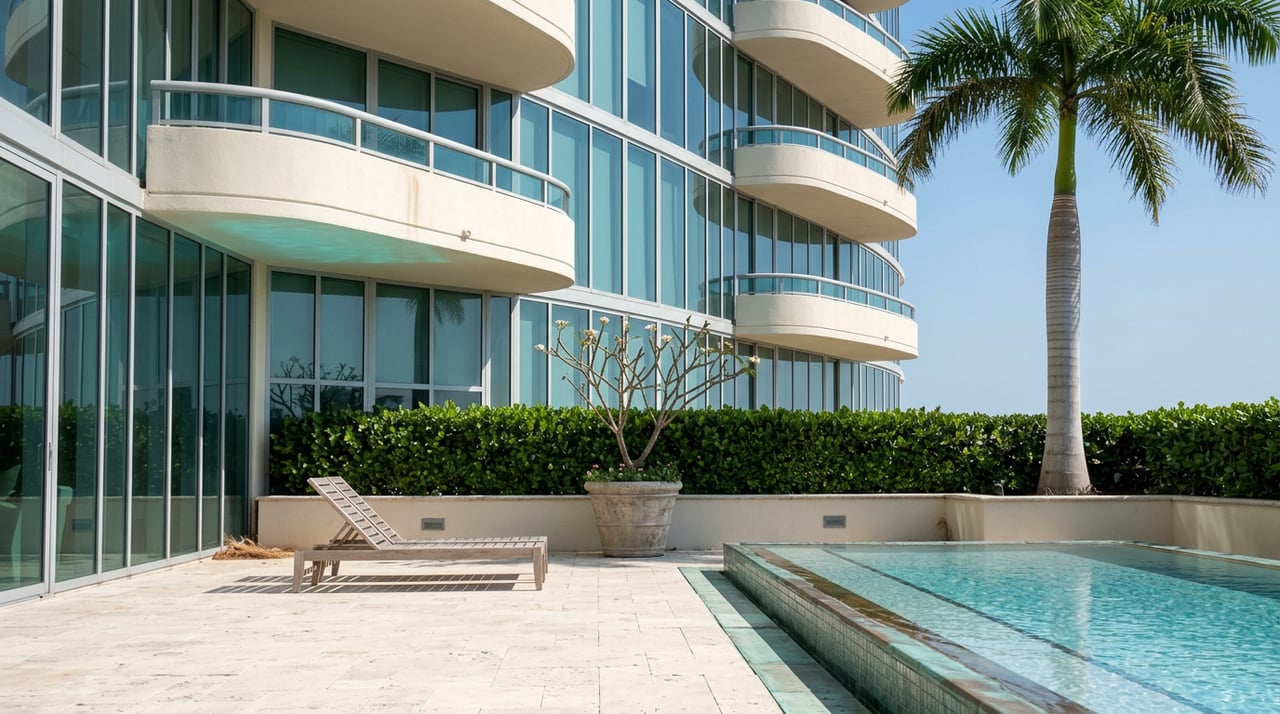
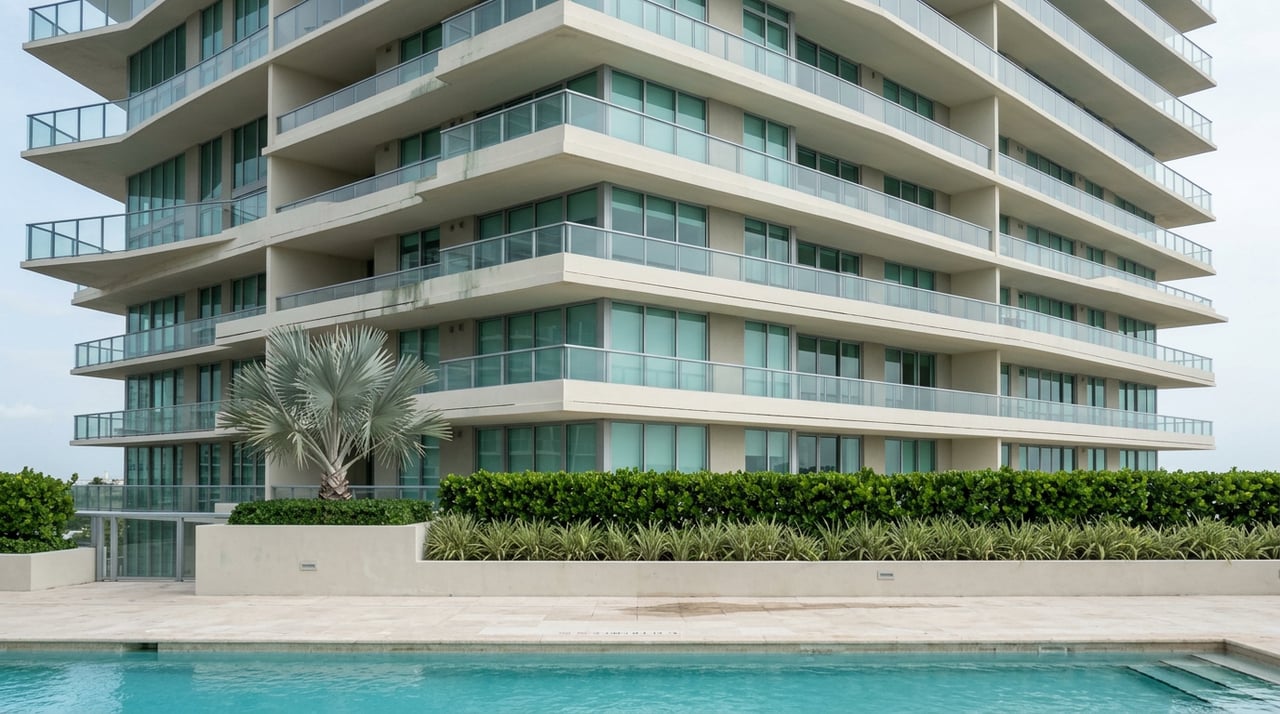
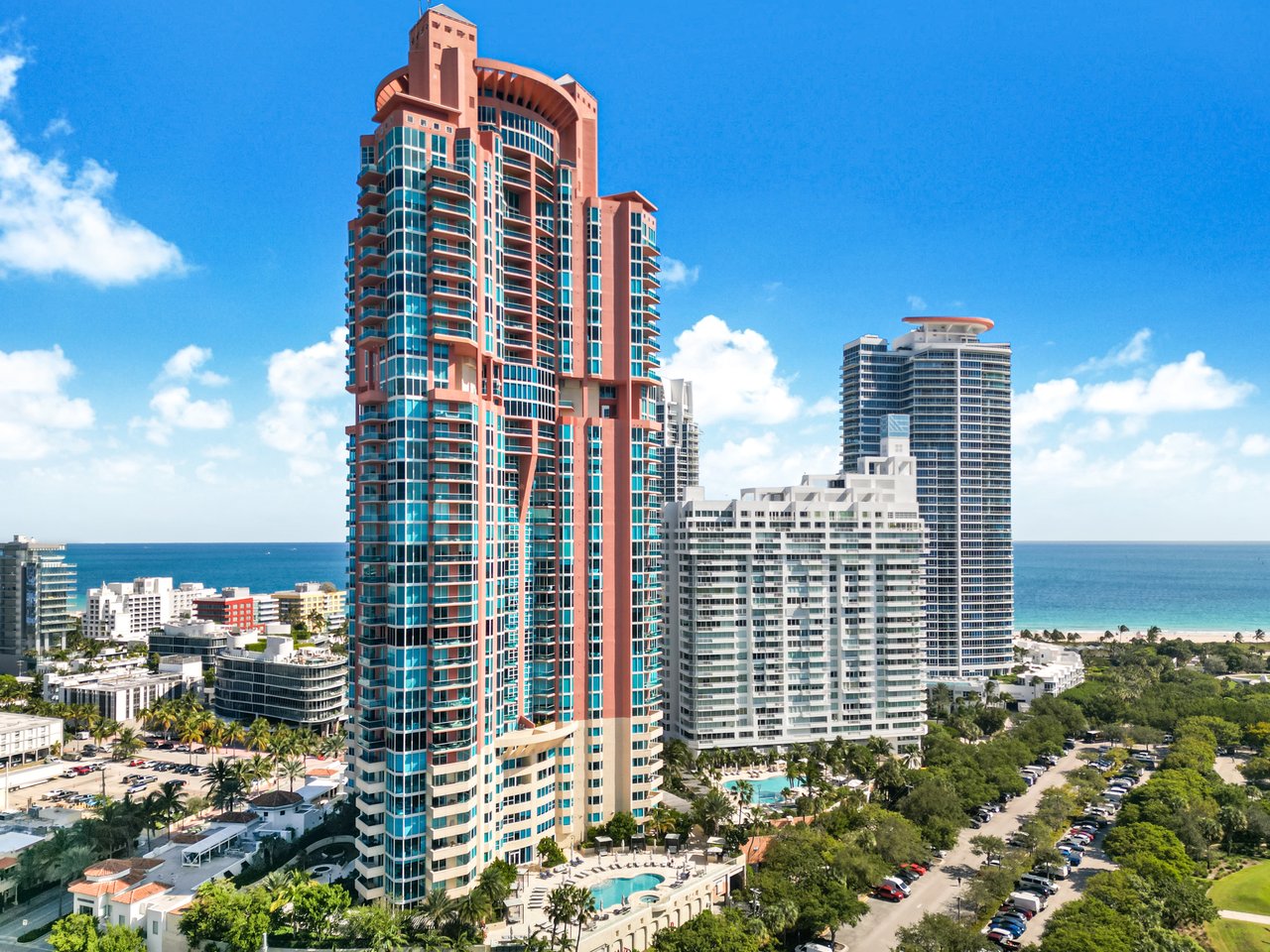
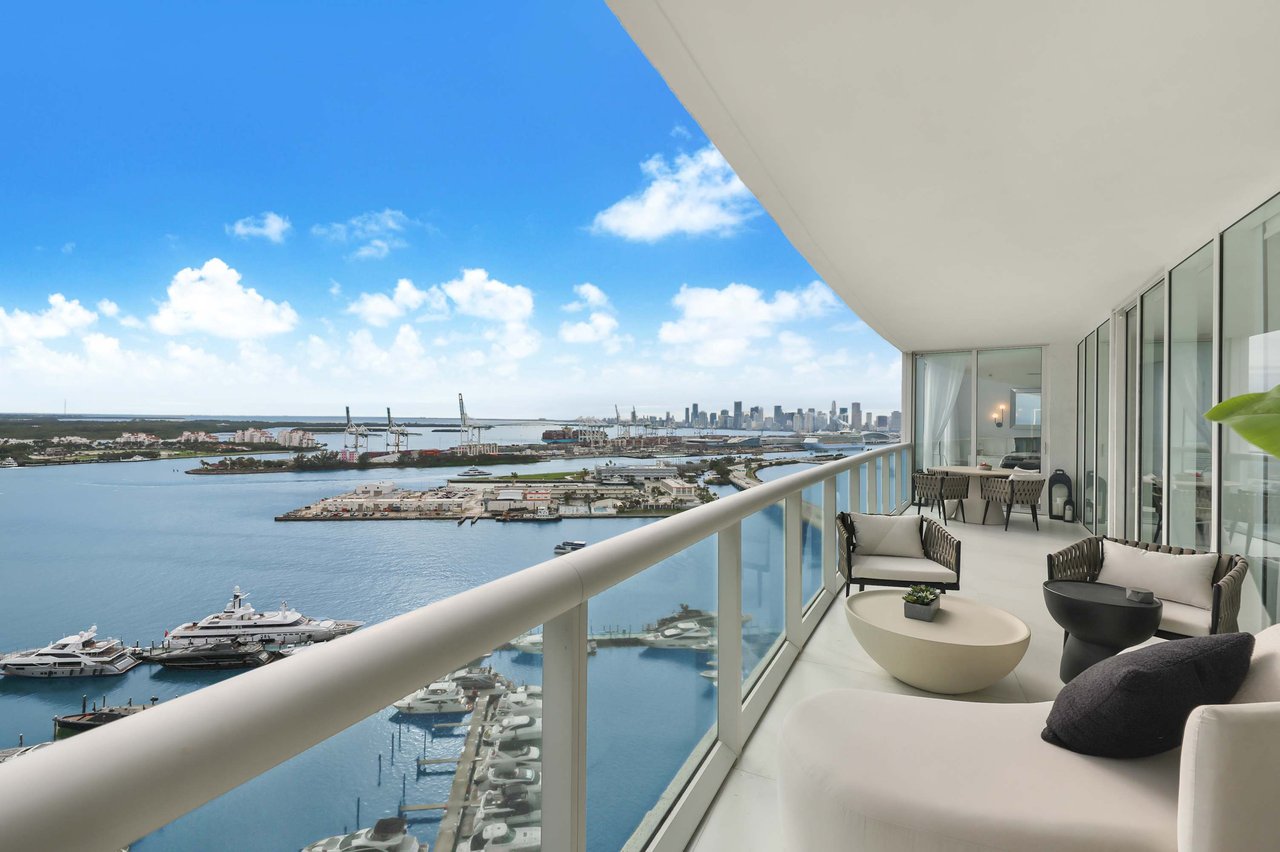
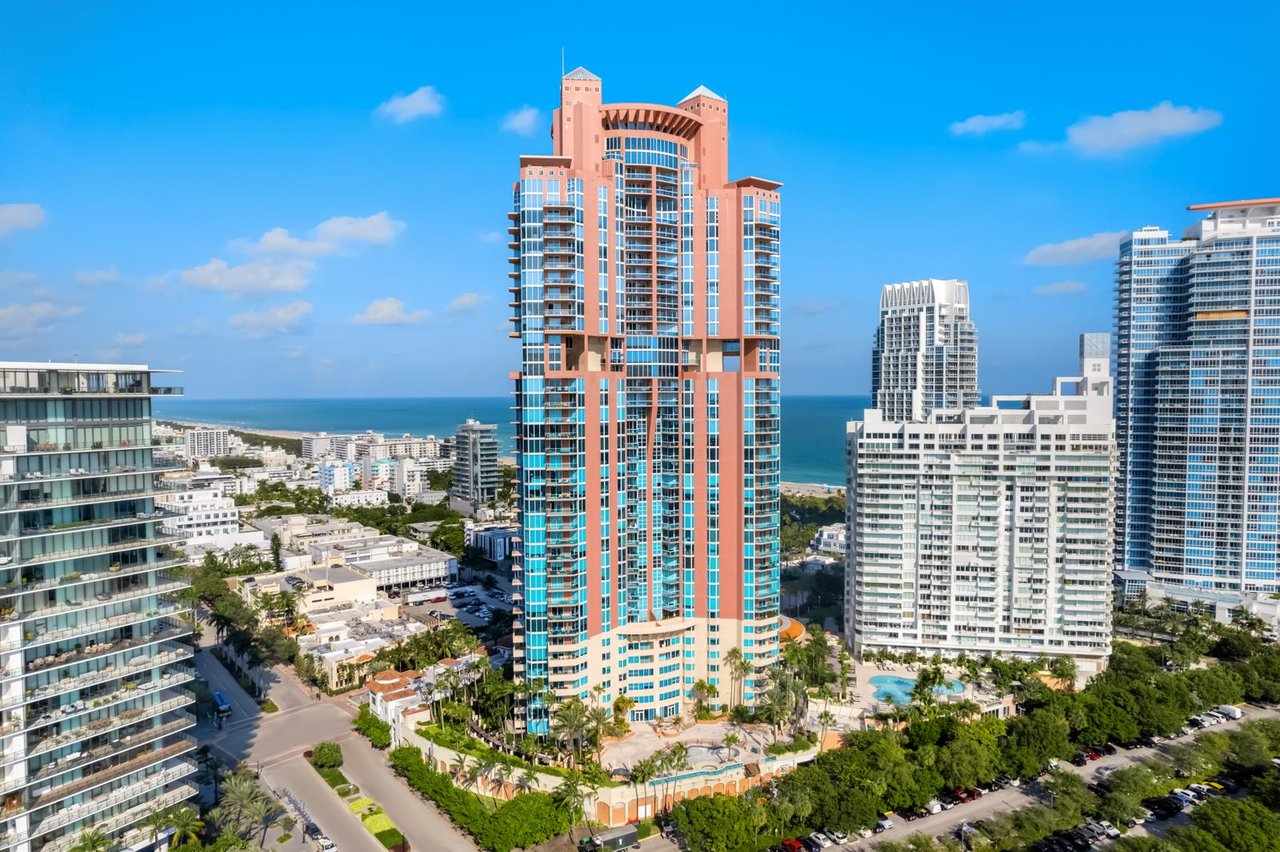
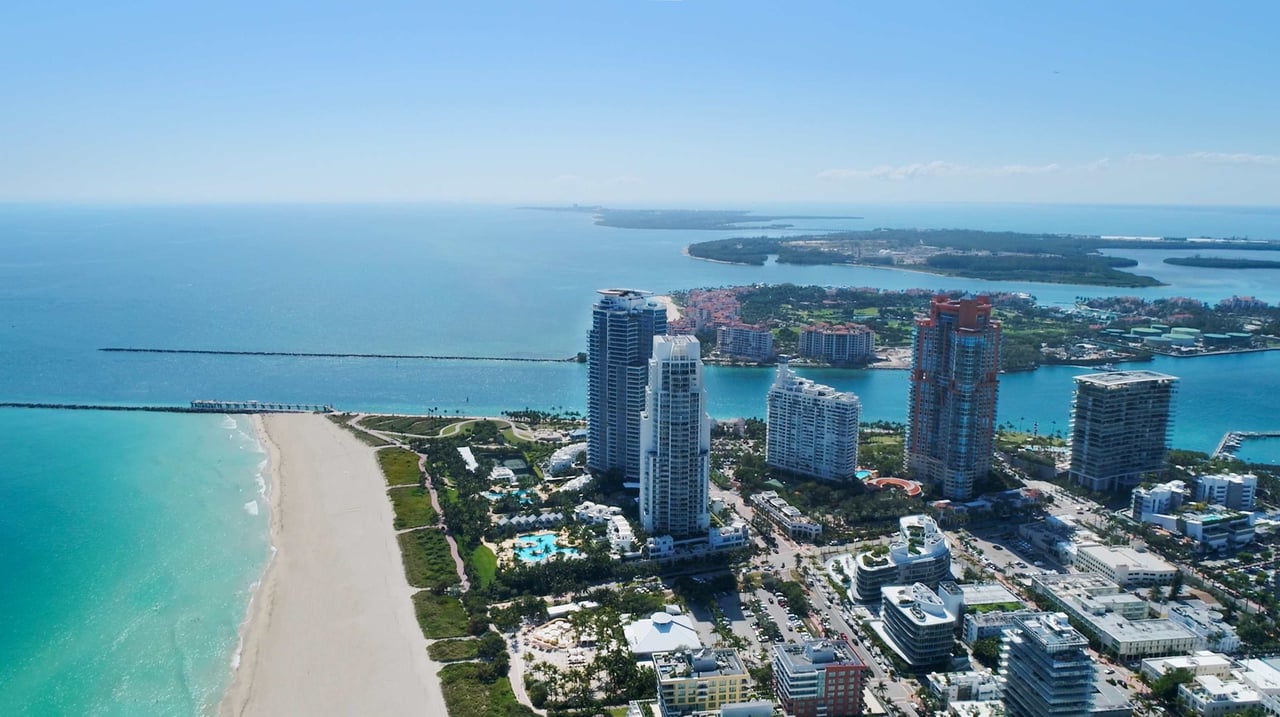
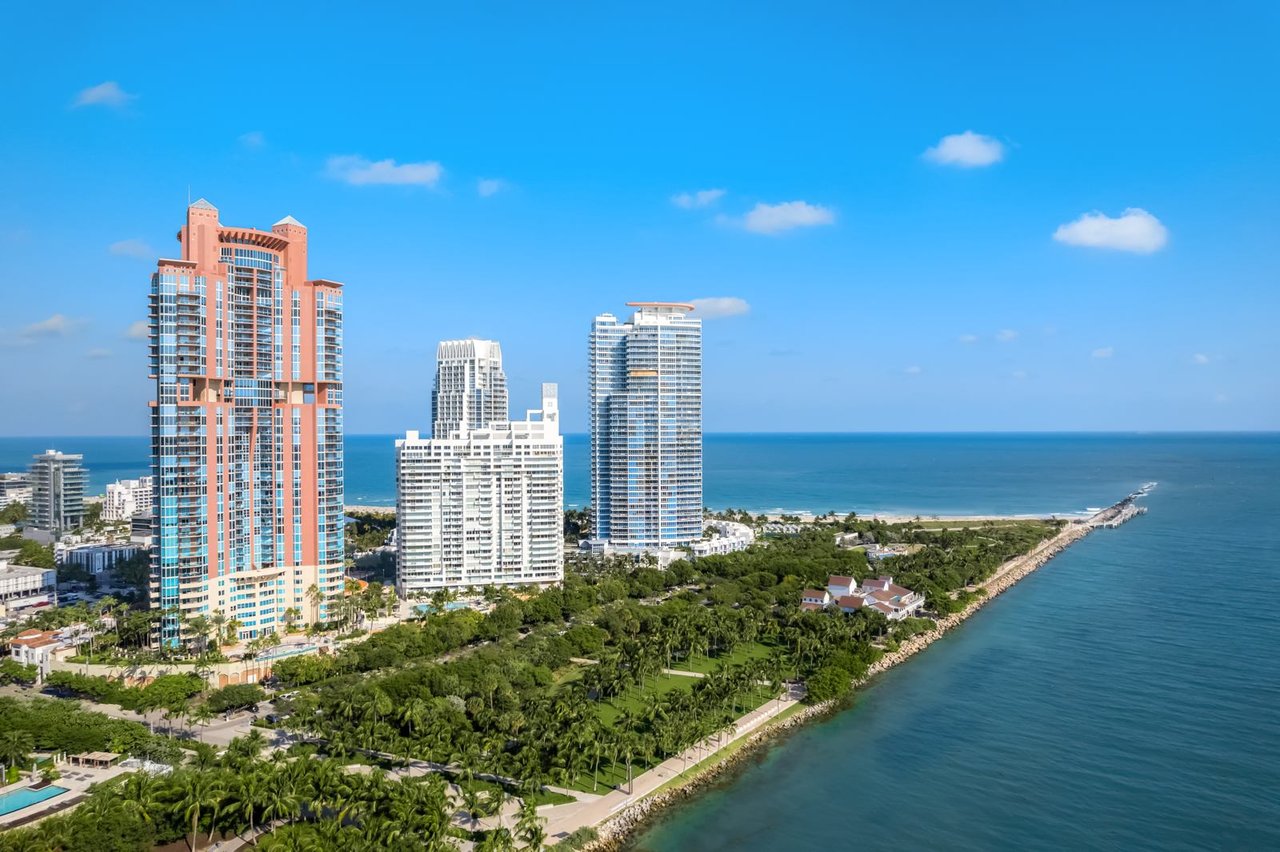
The immediate implication for anyone owning at Continuum, Apogee, Portofino Tower, Icon or Murano Grande: the sightline south from your balcony will be under construction from summer 2027 through fall 2029. If you were planning to list during that window, that is a factor to price in now, not later.
The through-line
Read these three items as one story rather than three. A noise pilot inside the residential grid. A pedestrian connection that treats walking as infrastructure rather than decoration. A beachfront lease resolved with resident events and school partnerships written into the terms. The consistent actor in each is the resident, not the visitor.
That is a real shift. SoFi has always been described by outsiders as the quiet corner of South Beach, but until this year the quiet was accidental. It came from the shape of the peninsula, the price of the real estate, and the goodwill of the buildings themselves. In the summer of 2026, the city started backing the description with policy.
If you own here, the practical takeaways are short. Late-night noise complaints now have an active enforcement tool behind them under Operation Quiet Streets. Your walking geography changes when the Buren bridge opens later this year. And the parcel at 1 Ocean Drive has a firm construction window from summer 2027 to fall 2029, with a defined tenant mix on the other side of it.
If you are thinking about listing, buying, or repositioning a residence in South of Fifth against this backdrop, Adrian Burke at ONE Sotheby's International Realty is available for a private consultation. Book a Private Consultation to talk through how these specific changes shape timing, pricing, and building-by-building fit in the neighborhood you already call home.